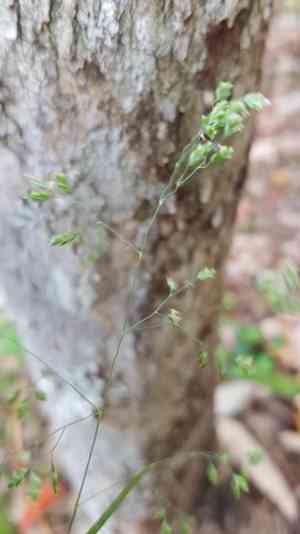
Meadow-grasses (Poa) (Poa)
Also known as: Bluegrasses
Bluegrasses, a diverse group of temperate grasses, are recognized not for their green leaves but for their distinctive blue seedheads. While they are often utilized in lawns and landscaping for their decorative appeal, many species also serve as valuable pasture for livestock. Additionally, bluegrasses play an essential ecological role by providing nourishment for caterpillars and other organisms.
In This Article
Attributes of Meadow-grasses (Poa)
Lifespan
Perennial
Plant Height
10-120 cm (4-47 inches)
Spread
Varies greatly by species; generally forms dense tufts with not distinct crown
Leaf Color
Green, often with a bluish tinge
Flower Size
Small flowers; inflorescence is typically a panicle
Flower Color
Green to purplish
Images of Meadow-grasses (Poa)
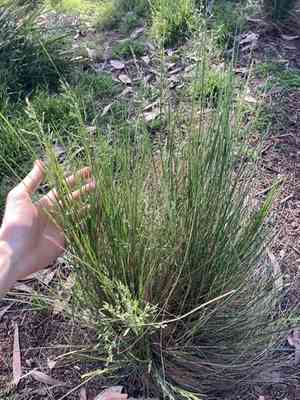
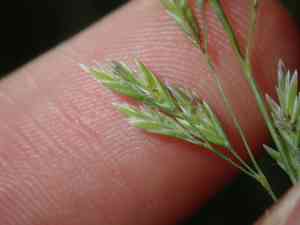
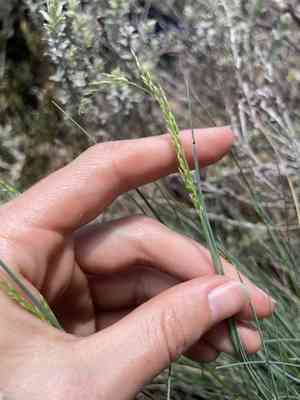
Quickly Identify Meadow-grasses (Poa)
1
Poa species can be identified by their dense, tufted inflorescences, flattened leaf sheaths, and boat-shaped leaf tips.
Scientific Classification of Meadow-grasses (Poa)
Phylum
Magnoliophyta
Class
Liliopsida
Order
Poales
Family
Poaceae
Genus
Poa
Planting and Growing of Meadow-grasses (Poa)
Care Difficulty
Moderate
Watering Schedule
Every 4 days
Sunlight Requirements
Full sun
Sunshine Duration
6-10 hours
Ideal Temperature
60-75℉
Soil Type
Potting Mix, Peat Mix
Soil pH
5.5-7.5
Fertilizer Type
Balanced
Pruning Season
Spring, Summer
Pruning Area
Branches, Leaves
Pruning Frequency
2 times a year
Repotting Season
Spring
Pot Type
Plastic, Ceramic
 How to Water Meadow-grasses (Poa)?
Poa requires a moderate watering approach. Ensure the soil is consistently moist but not waterlogged. Each watering should be around 250 milliliters, allowing the water to seep deeply into the soil, promoting strong root growth. Avoid standing water by ensuring proper drainage.
What are the symptoms of an underwatered Meadow-grasses (Poa)?
›
What should I do if my Meadow-grasses (Poa) is not getting enough water?
›
What are the symptoms of an overwatered Meadow-grasses (Poa)?
›
How to save an overwatered Meadow-grasses (Poa)?
›
 What Are the Sunlight Requirements for Meadow-grasses (Poa)?
Poa thrives best in ranges where they receive ample sun in the morning with some afternoon shade. An ideal setting promotes robust growth, optimal photosynthesis, and nutrient use, enhancing the plant’s natural beauty and health.
Where should Poa grasses be placed?
›
What should I do if excess shade is inevitable?
›
How can I maintain the ideal lighting condition?
›
 What Is the Ideal Temperature Range for Meadow-grasses (Poa)?
The ideal temperature range for growing Poa species is between 60°F and 75°F. Within this range, the plant can photosynthesize efficiently, ensuring optimal growth and health. In this temperature band, Poa can effectively uptake nutrients and water, maintaining robust cellular functions.
 What Soil is Best for Meadow-grasses (Poa)?
Poa thrives in well-drained soil conditions. This necessity ensures that the roots of the plant have ample air circulation and do not remain waterlogged, thereby reducing the risk of root diseases and promoting robust growth. While Poa is not highly demanding, it benefits from a soil that has moderate nutrient levels, which support healthy leaf development and overall vigor. This can improve its resilience against environmental stresses and pests. Integrating organic matter into the soil improves its structure and nutrient availability for Poa. Organic matter also enhances water retention, providing stability in various weather conditions.
 How to Fertilize Meadow-grasses (Poa)?
For Poa species, a moderate amount of fertilizer is key. Generally, you should aim for about 1 pound of nitrogen per 1000 square feet annually. This amount ensures healthy growth without overwhelming the plant, keeping it lush and green.
 How to Prune Meadow-grasses (Poa)?
Poa grass typically thrives when maintained between 2 to 3 inches in height. Monitor the grass regularly, and when it exceeds this range, it's time for a trim to keep it healthy. To avoid soil compaction and promote healthier growth, alternate your mowing direction each time you trim. This encourages even growth and helps prevent the formation of ruts in your lawn.
 How to Propagate Meadow-grasses (Poa) plant?
1
Harvest seeds from mature Poa plants in late spring or early autumn. Clean and dry the seeds properly to prevent mold growth. Use a sieve to separate seeds from chaff for easy handling during planting.
2
Fill seed trays with a mix of potting soil and sand for good drainage. Sow seeds thinly and cover lightly with soil. Keep the trays in a warm place with indirect sunlight to encourage germination.
3
In spring or autumn, use a spade to dig up a mature Poa plant. Gently separate the plant into smaller clumps, ensuring each has a set of healthy roots. Replant these clumps at the same depth they were growing previously.
 How to Repot Meadow-grasses (Poa) plant?
1
Poa, known for its lush green appearance, requires repotting when roots begin to circle the pot, indicating it's becoming root-bound. Watching for yellowing leaves or reduced growth can also signal the need for a change. Ideally, repot this plant in spring or early summer when it enters its active growth phase.
2
Select a pot that is 1-2 inches larger in diameter than the current pot. The increased size helps to accommodate future root growth while preventing waterlogging. A container with adequate drainage holes is crucial to prevent roots from sitting in water, which reduces the likelihood of root rot.
3
Opt for a well-draining loamy sand potting mix for Poa. This ensures proper aeration and drainage, promoting healthy root development and reducing the risk of water-related stress or disease. The right soil balance keeps the plant thriving by providing essential nutrients while maintaining moisture efficiently.

