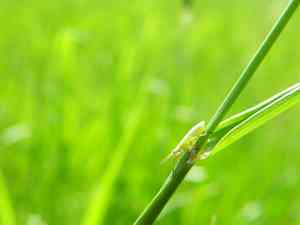
Kentucky bluegrass (Poa pratensis)
Also known as: Kentucky Bluegrass, Smooth Meadow-grass
One of the most popular grasses for lawns in the cool and humid regions of the United States is Kentucky bluegrass. The name comes from the purplish-blue flowers that the grass produces when it blooms, not from the color of the grass itself. You can find Kentucky bluegrass at Lambeau Field in Green Bay, Wisconsin, where the Green Bay Packers play.
In This Article
Attributes of Kentucky bluegrass
Lifespan
Perennial
Plant Type
Grass
Plant Height
30 cm to 70 cm
Spread
1.5 m
Leaf Color
Green Blue
Flower Size
3 cm to 5 cm
Flower Color
White Yellow Green Brown
Images of Kentucky bluegrass
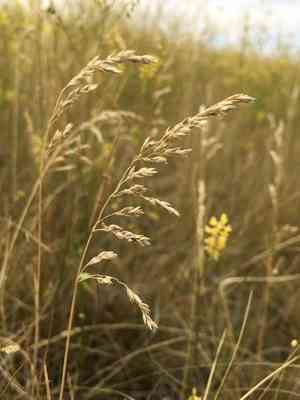
Quickly Identify Kentucky bluegrass
1
Lush green color with boat-shaped leaf tips
2
Blades up to 3mm wide, 20-30cm tall, tapering to a point
3
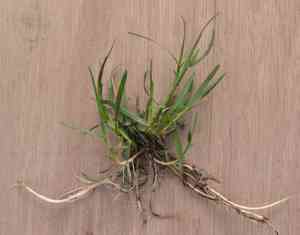
Dense root network for robust sod formation
4
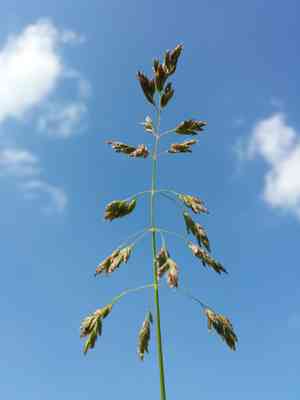
Distinctive pyramid-shaped inflorescence with spikelets of 3-6 flowers
5
Flowers resemble clustered grains
Scientific Classification of Kentucky bluegrass
Phylum
Vascular plants
Class
Monocotyledons
Order
Grasses, sedges and allies
Family
Grass
Genus
Meadow-grasses
Species
Kentucky bluegrass
Planting and Growing of Kentucky bluegrass
Care Difficulty
Easy
Watering Schedule
Every 8 days
Sunlight Requirements
Full sun
Sunshine Duration
4-8 hours
Ideal Temperature
60-75℉
Soil Type
Potting Mix, Peat Mix
Soil pH
6.5-7.5
Fertilizer Type
Balanced
Pruning Season
Spring, Summer
Pruning Area
Branches, Leaves
Pruning Frequency
2 times a year
Repotting Season
Spring
Pot Type
Plastic, Ceramic
 How to Water Kentucky bluegrass?
Poa pratensis, commonly known as Kentucky bluegrass, requires watering that thoroughly moistens the root zone but does not leave the soil waterlogged. A good practice is to water with about 500 milliliters per session, ensuring an even distribution across the lawn. This amount should penetrate the soil to about 2-3 inches, which is ideal for grassroots to grow deeply and healthily.
What are the symptoms of an underwatered Kentucky bluegrass?
›
What should I do if my Kentucky bluegrass is not getting enough water?
›
What are the symptoms of an overwatered Kentucky bluegrass?
›
How to save an overwatered Kentucky bluegrass?
›
 What Are the Sunlight Requirements for Kentucky bluegrass?
Poa pratensis should generally be exposed to full sun for optimal growth, approximately 4 to 6 hours daily. Ideal lighting ensures energetic growth, vibrant color, strong roots, and improved overall resilience and vitality.
More About Sunlight Requirements Techniques→
What is the preferred light condition for Poa pratensis?
›
What strategies can be used to achieve ideal lighting for Poa pratensis?
›
What benefits does Poa pratensis gain when exposed to optimal lighting?
›
 What Is the Ideal Temperature Range for Kentucky bluegrass?
Poa pratensis, commonly known as Kentucky bluegrass, thrives best in temperatures between 60 and 75°F. This range supports healthy growth and optimum physiological functions such as photosynthesis and respiration without undue stress.
 What Soil is Best for Kentucky bluegrass?
Poa pratensis, also known as Kentucky bluegrass, thrives in well-drained soil that prevents waterlogging and root rot. Ensuring good drainage keeps roots healthy and promotes robust growth. This plant prefers soil with moderate fertility. An overly rich soil with high nitrogen can encourage leafy growth at the expense of root development and drought resistance. While well-drained, the soil should retain enough moisture to sustain growth. Regular, moderate watering keeps the grass lush and green without causing root issues.
More About Soil→
 How to Fertilize Kentucky bluegrass?
When fertilizing Poa pratensis, aim for 1 to 2 pounds of nitrogen per 1,000 square feet annually. Ensure the amount is spread evenly across the growing season to avoid nutrient burn and promote consistent growth.
More About Fertilizing Techniques→
 How to Prune Kentucky bluegrass?
Poa pratensis, also known as Kentucky bluegrass, should be maintained at a height of about 2.5 to 3 inches. When mowing, never remove more than one-third of the blade length in a single session to prevent stress. Prune in multiple directions to ensure even wear and coverage. Alternate your mowing pattern each session to avoid soil compaction and to ensure even exposure to sunlight and nutrients.
More About Pruning Techniques→
 How to Propagate Kentucky bluegrass plant?
1
Before sowing seeds, it’s crucial to prepare a well-drained seed bed. Loosen the soil with a fork, remove weeds, and level the surface for uniform growth.
2
Evenly distribute seeds over the prepared area and cover lightly with soil. Ensure seeds are sown at the right depth, generally about 0.5 cm, to enhance germination.
3
During early spring or late autumn, use a garden fork to divide mature clumps. Ensure each segment has sufficient roots and shoots to foster new growth.
 How to Repot Kentucky bluegrass plant?
1
Poa pratensis needs repotting when the roots visibly fill the current pot, or when growth slows significantly. These signs indicate that the plant has outgrown its current space and requires a larger pot to continue thriving and developing healthily.
2
Select a pot that is 1-2 inches larger in diameter than the current one, ensuring it has ample drainage holes to prevent waterlogging. This size promotion lets roots expand correctly, reducing the risk of root rot and improving nutrient uptake for the plant.
3
Opt for a well-draining loamy soil blend, enriched with organic matter. This soil type retains moisture adequately while allowing excess water to drain, preventing root rot and providing the necessary nutrients for robust grass growth.



