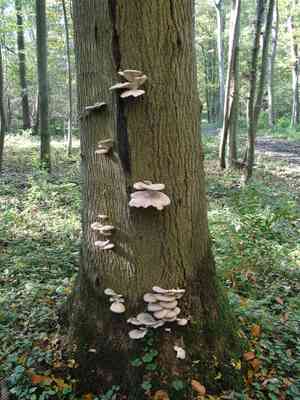
Oyster mushroom (Pleurotus ostreatus)
Also known as: Pearl oyster
Oyster mushrooms naturally grow in the wild and are also widely cultivated for commercial purposes, including sale in supermarkets. Home cultivation is also popular due to the simplicity of the process. These mushrooms thrive on various substrates such as coffee grounds, straw, sawdust, cardboard, and agricultural residues like corn cobs and sugarcane bagasse. Interestingly, they are sometimes used as an eco-friendly alternative to styrofoam. It's important to note that there are toxic look-alikes, so purchasing from reliable sources is advisable.
In This Article
Attributes of Oyster mushroom
Lifespan
Annual
Plant Type
Mushroom
Plant Height
0.5 inches
Spread
6 inches
Leaf Color
N/A
Flower Size
N/A
Flower Color
N/A
Images of Oyster mushroom
Quickly Identify Oyster mushroom
1
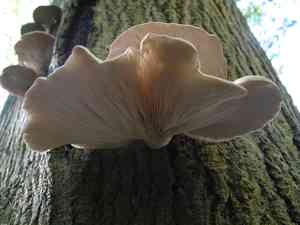
Oyster mushrooms have a broad, oyster- or fan-shaped cap that can range in color from white to gray or tan. The gills are white, light gray, or tan, and the stem is often short and off-center.
Scientific Classification of Oyster mushroom
Phylum
Club fungi
Class
Mushroom-forming fungi
Order
Gilled fungi
Family
The tree mushroom family
Genus
Oysters
Species
Oyster mushroom
Planting and Growing of Oyster mushroom
Care Difficulty
Easy
Watering Schedule
Every 8 days
Sunlight Requirements
Partial sun
Sunshine Duration
6-10 hours
Ideal Temperature
60-75℉
Soil Type
Potting Mix, Peat Mix
Soil pH
6.5-7.5
Fertilizer Type
Balanced
Pruning Season
Spring, Summer
Pruning Area
Branches, Leaves
Pruning Frequency
Once a year
Repotting Season
Spring
Pot Type
Plastic, Ceramic
 How to Water Oyster mushroom?
Pleurotus ostreatus should be watered with about 500 milliliters per session. The goal is to keep the substrate moist but not waterlogged. Ensure the top few centimeters of the substrate feel slightly damp to the touch. Watering should be adjusted based on factors like temperature and humidity.
What are the symptoms of an underwatered Oyster mushroom?
›
What should I do if my Oyster mushroom is not getting enough water?
›
What are the symptoms of an overwatered Oyster mushroom?
›
How to save an overwatered Oyster mushroom?
›
 What Are the Sunlight Requirements for Oyster mushroom?
Pleurotus ostreatus benefits from partial sun conditions, ideally 1 to 4 hours of indirect light per day. This supports robust growth and high-quality fruiting bodies.
What is the optimal type of light for Pleurotus ostreatus?
›
How to achieve ideal lighting for Pleurotus ostreatus?
›
What are the benefits of ideal lighting for Pleurotus ostreatus?
›
 What Is the Ideal Temperature Range for Oyster mushroom?
The ideal temperature range for the cultivation of Pleurotus ostreatus, commonly known as the oyster mushroom, is between 60°F to 75°F. This temperature range provides optimal conditions for mycelium growth and fruiting. At these temperatures, the enzymes and biological processes necessary for mushroom development function efficiently, leading to healthy and abundant yields.
 What Soil is Best for Oyster mushroom?
The soil should retain moisture without becoming waterlogged, which ensures the fungi have the necessary humidity to thrive. This moisture balance prevents dehydration and supports continuous growth. A nutrient-rich soil provides essential minerals and organic matter that promote vigorous growth and high yield of the mushrooms. This abundance of nutrients is vital for the development of healthy fruiting bodies. Proper soil aeration allows for adequate airflow, which is crucial in preventing root rot and promoting a healthy fungal network. This helps the mushrooms develop robust structures and resist diseases.
 How to Fertilize Oyster mushroom?
For Pleurotus ostreatus, use a balanced fertilizer such as a 10-10-10 NPK ratio at half the strength recommended on the package. Apply a liquid fertilizer at 1 teaspoon per gallon of water for a gentle nutrient boost.
 How to Prune Oyster mushroom?
While Pleurotus ostreatus does not require pruning, knowing when and how to harvest is crucial. Harvest them when the caps are concave and firm, gently twisting or cutting at the base to avoid damaging the mycelium. This practice ensures continuous growth and production. Always maintain clean tools and hands when handling your mushroom crops to prevent contamination. This is crucial in mushroom cultivation, where bacteria and other fungi can significantly impact health and yield.
 How to Propagate Oyster mushroom plant?
1
Prepare a growth medium composed of a suitable agar-based substrate enriched with the necessary nutrients. Ensure the medium is sterilized to prevent microbial contamination.
2
Carefully cut a small piece of tissue from a healthy Pleurotus ostreatus fruiting body. Make sure to use sterile techniques to prevent introduction of contaminants.
3
Place the tissue sample on the prepared growth medium under sterile conditions. Seal the container to create a controlled environment that encourages mycelial growth.
 How to Repot Oyster mushroom plant?
1
Repot when the Pleurotus ostreatus shows signs like reduced growth, compacted substrate, or roots sprawling out of the current pot. These signals imply that the growing space is insufficient and repotting is due.
2
Select a pot slightly larger than the current one, with adequate drainage holes. This prevents waterlogging and promotes healthy root growth, crucial for the thriving of Pleurotus ostreatus.
3
Opt for a well-draining, nutrient-rich soil mixture. This ensures adequate airflow and moisture retention without water retention, preventing root rot, essential for the health of Pleurotus ostreatus.

