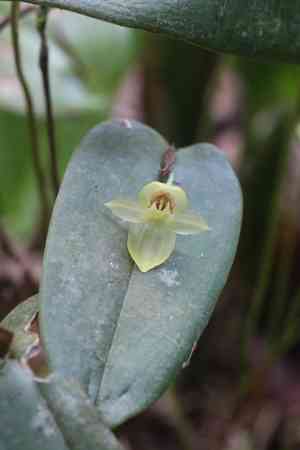
Bonnet orchid (Pleurothallis) (Pleurothallis)
Also known as: P. Orchidoides
Bonnet orchids, or Coryanthes, are exclusively found in the New World, spanning regions from Mexico through Central America, South America, and the Caribbean. These orchids exhibit a vast diversity in form, including terrestrial and epiphytic varieties. They can manifest as tall, cane-like plants, trailing or climbing species, and even tiny, moss-like forms. Their flowers, while sometimes small, are notably diverse and unique.
In This Article
Attributes of Bonnet orchid (Pleurothallis)
Lifespan
Perennial
Plant Height
5-30 cm
Spread
Varies widely
Leaf Color
Green
Flower Size
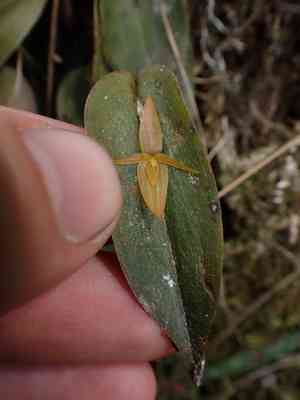
0.5-2 cm
Flower Color
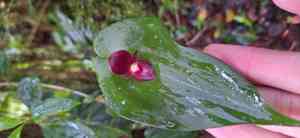
Varies, including yellow, red, purple, white
Images of Bonnet orchid (Pleurothallis)
Quickly Identify Bonnet orchid (Pleurothallis)
1
Pleurothallis can often be identified by their small, often intricate flowers and their various growth habits, including tufted, pendent, and creeping forms. The leaves are usually fleshy and thick.
Scientific Classification of Bonnet orchid (Pleurothallis)
Phylum
Magnoliophyta
Class
Liliopsida
Order
Asparagales
Family
Orchidaceae
Genus
Pleurothallis
Planting and Growing of Bonnet orchid (Pleurothallis)
Care Difficulty
Moderate
Watering Schedule
Every 4 days
Sunlight Requirements
Partial sun
Sunshine Duration
6-10 hours
Ideal Temperature
60-75℉
Soil Type
Potting Mix, Peat Mix
Soil pH
6.5-7.5
Fertilizer Type
Balanced
Pruning Season
Spring, Summer
Pruning Area
Branches, Leaves
Pruning Frequency
2 times a year
Repotting Season
Spring
Pot Type
Plastic, Ceramic
 How to Water Bonnet orchid (Pleurothallis)?
Pleurothallis thrives when the soil is kept consistently moist, but not waterlogged. The ideal watering amount should aim to mimic the plant's natural rainforest habitat where moisture is abundant yet well-draining. Typically, around 50ml per watering session is sufficient to keep the substrate damp without creating standing water. This ensures that the roots receive adequate hydration while preventing root rot.
What are the symptoms of an underwatered Bonnet orchid (Pleurothallis)?
›
What should I do if my Bonnet orchid (Pleurothallis) is not getting enough water?
›
What are the symptoms of an overwatered Bonnet orchid (Pleurothallis)?
›
How to save an overwatered Bonnet orchid (Pleurothallis)?
›
 What Are the Sunlight Requirements for Bonnet orchid (Pleurothallis)?
Partial sun with dappled shade is optimal for Pleurothallis. This ensures the plant receives necessary light to thrive, encouraging healthy foliage and blooming patterns without risk of light-induced stress.
What is the ideal location for Pleurothallis?
›
How can I achieve these ideal light conditions indoors?
›
Why is suitable light crucial for Pleurothallis?
›
 What Is the Ideal Temperature Range for Bonnet orchid (Pleurothallis)?
The ideal temperature range for growing Pleurothallis is between 60°F and 75°F. This range ensures that the plant can efficiently perform its physiological processes, such as photosynthesis and respiration. Maintaining this range helps in promoting robust growth, vibrant blooms, and long-term plant health. Temperatures above 75°F can stress the plant, while those below 60°F can slow down its growth rate significantly.
 What Soil is Best for Bonnet orchid (Pleurothallis)?
Pleurothallis orchids thrive in soils that retain adequate moisture without becoming waterlogged. A properly moist environment supports nutrient uptake and root health, essential for vibrant growth. A nutrient-rich soil is crucial for providing the essential macro and micronutrients that Pleurothallis requires. This bolsters the plant's metabolism and enhances its ability to produce flowers. Good aeration ensures that the roots receive ample oxygen, which is vital for cellular respiration and overall plant vitality. Well-aerated soil helps prevent root rot, especially in humid environments.
 How to Fertilize Bonnet orchid (Pleurothallis)?
Pleurothallis generally prefers a diluted fertilizer solution. A good rule of thumb is to use quarter-strength liquid fertilizer to prevent root burn while ensuring steady nutrient availability. This approach caters well to the plant's natural growth habits.
 How to Prune Bonnet orchid (Pleurothallis)?
Begin by examining your Pleurothallis for any brown or yellowing leaves, which indicate dead or dying parts. Clip these off at the base using sterilized garden scissors, as removing dead zones fosters healthier growth. After removing dead material, assess the shape of your plant. To maintain a balanced look, cut back long, unruly stems that extend beyond the natural shape. This helps keep Pleurothallis looking tidy and encourages bushier growth. Once your Pleurothallis has flowered, cut back the spent blooms to encourage more blossoms. Pay attention to the stem from which you are cutting; always trim back to just above a node to stimulate growth.
 How to Propagate Bonnet orchid (Pleurothallis) plant?
1
Start by sowing Pleurothallis seeds in a moist, well-aerated medium under sterile conditions. Ensure fine misting to maintain humidity levels appropriate for initiation.
2
Carefully divide mature Pleurothallis plants at the rhizome, ensuring each division has sufficient roots and leaves. Replant immediately into a suitable medium.
3
Initiate tissue culture by placing sterilized plant material in a nutrient-rich medium. Maintain under controlled light and temperature settings for better propagation results.
 How to Repot Bonnet orchid (Pleurothallis) plant?
1
Pleurothallis should be repotted when you notice the plant outgrowing its current container, with roots spilling over the sides. It's also time if the growth appears stunted or if the potting medium has broken down significantly, retaining excess moisture. These signals ensure the plant has sufficient room to grow and receive adequate air circulation.
2
Choose a pot that offers adequate drainage and is only slightly larger than the current one, about 1-2 inches in diameter. Pleurothallis prefer their roots slightly restricted, which encourages healthier growth and blooms. Ensure the pot has plenty of drainage holes, as standing water can lead to root rot.
3
Opt for an orchid-specific potting mix, which typically contains bark, perlite, and sphagnum moss. This mix provides excellent aeration and drainage while supporting the roots, mimicking their natural epiphytic environment. Such conditions are vital for Pleurothallis as it prevents water-logging and root suffocation.

