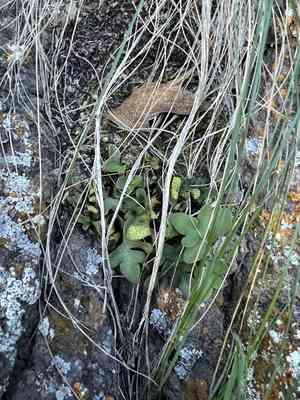
Rio grande scaly polypody (Pleopeltis riograndensis)
Also known as: Resurrection Fern
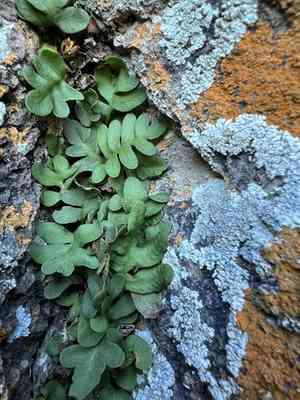
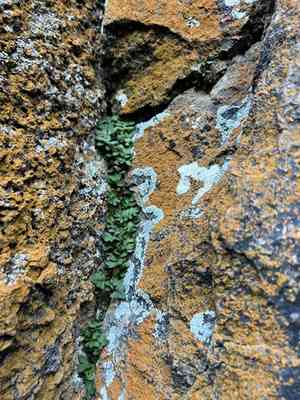
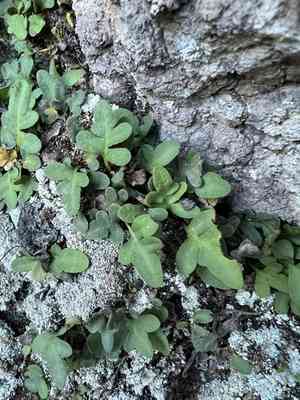
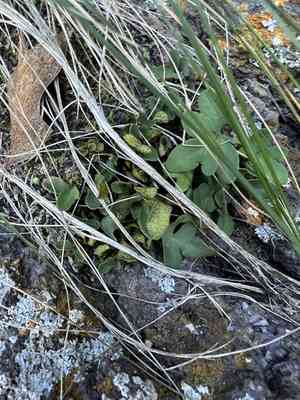
The Rio Grande scaly polypody is a hardy, small to medium epiphytic fern found in subtropical areas. It features robust, dark green fronds that are intricately segmented, presenting a delicate look. This fern commonly grows on tree trunks and rocky surfaces, where it secures itself with fibrous roots. These roots allow the fern to extract moisture and nutrients from the surrounding air and its host surface.
In This Article
Attributes of Rio grande scaly polypody
Lifespan
Perennial
Plant Type
Fern
Plant Height
15-30 cm
Spread
Limited, as it is typically epiphytic and spreads via rhizomes rather than forming a traditional crown
Leaf Color
Green (when hydrated), brown (when dry)
Flower Size
Not applicable, as ferns do not produce flowers
Flower Color
Not applicable
Images of Rio grande scaly polypody
Quickly Identify Rio grande scaly polypody
1
To identify Pleopeltis riograndensis, look for its leathery, pinnate fronds with a distinct underside covered in brownish scales. During dry periods, the fronds will appear curled and brown, but they turn green and unroll after rainfall.
Scientific Classification of Rio grande scaly polypody
Phylum
Vascular plants
Class
Ferns
Order
Polypodiales
Family
Polypody
Genus
Scaly polypody
Species
Rio grande scaly polypody
Planting and Growing of Rio grande scaly polypody
Care Difficulty
Moderate
Watering Schedule
Every 2 days
Sunlight Requirements
Partial sun
Sunshine Duration
6-10 hours
Ideal Temperature
65-75℉
Soil Type
Potting Mix, Peat Mix
Soil pH
6.5-7.5
Fertilizer Type
Balanced
Pruning Season
Spring, Summer
Pruning Area
Branches, Leaves
Pruning Frequency
2 times a year
Repotting Season
Spring
Pot Type
Plastic, Terracotta
 How to Water Rio grande scaly polypody?
The amount of water for Pleopeltis riograndensis should be enough to keep the soil consistently moist but not soggy. A volume of 250 ml per watering should adequately achieve this balance. The key is to maintain uniform moisture levels, avoiding extremes of too dry or too wet. You want the top layer of soil to remain moist without creating standing water at the bottom of the container.
What are the symptoms of an underwatered Rio grande scaly polypody?
›
What should I do if my Rio grande scaly polypody is not getting enough water?
›
What are the symptoms of an overwatered Rio grande scaly polypody?
›
How to save an overwatered Rio grande scaly polypody?
›
 What Are the Sunlight Requirements for Rio grande scaly polypody?
Pleopeltis riograndensis prefers partial sun or partial shade environments, where it can benefit from gentle morning sun and protection from harsh afternoon rays, promoting healthy growth.
What is the preferred lighting condition for Pleopeltis riograndensis?
›
How can we achieve the ideal lighting for Pleopeltis riograndensis?
›
What are the benefits of providing ideal lighting conditions to Pleopeltis riograndensis?
›
 What Is the Ideal Temperature Range for Rio grande scaly polypody?
For optimal growth, Pleopeltis riograndensis thrives best in temperatures ranging from 65 to 75 degrees Fahrenheit. This range provides the necessary warmth for the plant's physiological processes without causing heat stress.
 What Soil is Best for Rio grande scaly polypody?
Pleopeltis riograndensis thrives in well-drained soils that prevent waterlogging, which is crucial for healthy root development and reduces the risk of root rot. Incorporating organic matter like compost or leaf mold into the soil helps in retaining moisture without suffocating the roots, providing essential nutrients for robust growth. This plant prefers soil that maintains moderate moisture levels. Consistent watering is necessary but avoid waterlogged conditions to prevent root decay and promote optimal growth.
 How to Fertilize Rio grande scaly polypody?
For Pleopeltis riograndensis, use a balanced fertilizer with a ratio of 10-10-10. Liquid fertilizers should be diluted to half the recommended strength to avoid any root burn due to over-concentration. For slow-release options, a tablespoon per square foot of root area works well to sustain growth.
 How to Prune Rio grande scaly polypody?
Begin by inspecting the plant carefully, identifying any dead or visibly damaged fronds. These are easy to spot as they are often brown or discolored compared to healthy green fronds. Using a pair of clean pruning shears, make a clean cut at the base of the frond. This prevents tearing, which can damage the plant further and open it to disease. Pruning your Pleopeltis riograndensis encourages the fern to produce new fronds, increasing its density and vibrancy. Removing dead fronds allows more sunlight and nutrients to reach the growing parts of the plant.
More About Pruning Techniques→
 How to Propagate Rio grande scaly polypody plant?
1
Begin by gently lifting the plant from its location while ensuring minimal root disturbance. If the plant is potted, tip the pot on its side and ease out the plant.
2
Using a sharp knife or spade, carefully separate the plant's rhizomes into sections. Each division should contain healthy roots and enough foliage for energy.
3
Immediately replant each section into a prepared hole or pot, ensuring the surrounding soil is well-watered and kept moist to encourage root development.
 How to Repot Rio grande scaly polypody plant?
1
Pleopeltis riograndensis gives clear signs when it's time for repotting. This is often when the roots start escaping through the drainage holes or if the growth seems stunted despite adequate care. Repotting in spring or summer helps the plant recover quickly as these seasons promote active growth, increasing the chances of successful adaptation to a new pot.
2
Select a pot that is only slightly larger than the current one, ideally 1-2 inches wider in diameter. This prevents excessive soil moisture that could lead to root rot. Opt for a pot with ample drainage holes to ensure water doesn’t accumulate at the bottom, safeguarding the plant from waterlogged conditions, which can be detrimental to its health.
3
The ideal soil for Pleopeltis riograndensis is one that drains well yet retains some moisture, typically a mix suited for ferns. A blend of peat, perlite, and orchid bark would work efficiently. This composition mimics their natural habitat, maintaining the necessary humidity while preventing excess water retention that could lead to root issues.
Learn More About Rio grande scaly polypody Diseases
Anthracnose
Bacterial Leaf Spot
Bacterial Soft Rot
Chemical Injury
Crown Gall
Cyst Nematode
Damping-off
Downy Mildew
Drought Stress
Fusarium Wilt
Gray Mold
Leaf Spot
Mosaic
Nutrient Deficiency
Nutrient Toxicity
Powdery Mildew
Root Rot
Root-knot Nematode
Rusts
Sooty Mold
Spider Mites
Temperature Stress
Thrips Damage
White Mold



