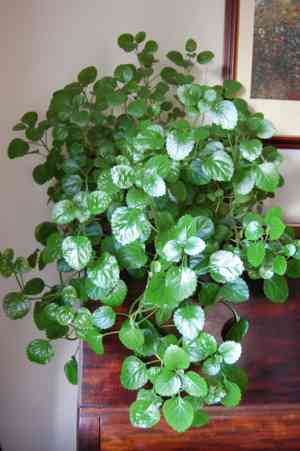
Swedish ivy (Plectranthus verticillatus)
Also known as: Whorled plectranthus, Creeping charlie
Plectranthus verticillatus, commonly known as Swedish ivy, also goes by the names whorled Plectranthus, creeping Charlie, and Swedish begonia. The term "Swedish ivy" is misleading because the plant is neither from Sweden nor a true ivy (Hedera). Additionally, it doesn't typically climb or grow along walls like true ivy plants do.
In This Article
Attributes of Swedish ivy
Lifespan
Perennial, Annual
Plant Type
Vine, Herb
Plant Height
60 cm to 1 m
Spread
50 cm to 1 m
Leaf Color
Green
Flower Size
1 cm to 2.5 cm
Flower Color
White Purple
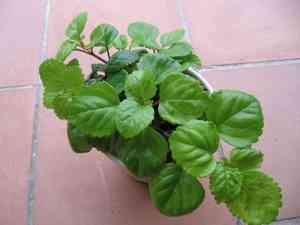
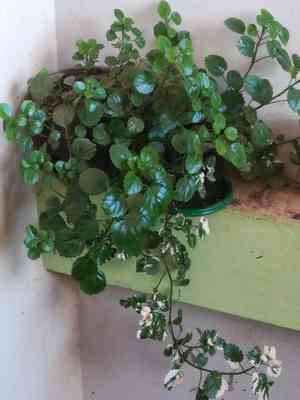
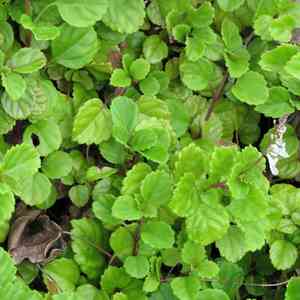
Images of Swedish ivy
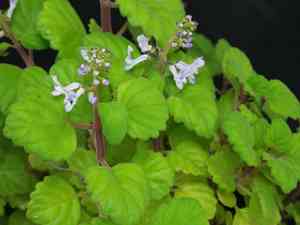
Quickly Identify Swedish ivy
1
This plant can be identified by its glossy, round to oval-shaped leaves with scalloped edges and its trailing growth habit. The leaves are fleshy and may have a subtle fragrance when crushed.
Scientific Classification of Swedish ivy
Phylum
Vascular plants
Class
Dicotyledons
Order
Lamiales
Family
Mint
Genus
Spurflowers
Species
Swedish ivy
Planting and Growing of Swedish ivy
Care Difficulty
Easy
Watering Schedule
Every 4 days
Sunlight Requirements
Partial sun
Sunshine Duration
6-10 hours
Ideal Temperature
60-80℉
Soil Type
Potting Mix, Peat Mix
Soil pH
6-7.5
Fertilizer Type
Balanced
Pruning Season
Spring, Summer
Pruning Area
Branches, Leaves
Pruning Frequency
2 times a year
Repotting Season
Spring
Pot Type
Plastic, Ceramic
 How to Water Swedish ivy?
Plectranthus verticillatus needs a balanced watering approach. Aim for about 300 ml per session, ensuring the soil feels moist but not overly saturated. Watering until excess water drains out from the bottom of the pot is a good practice to follow.
More About Watering Techniques→
What are the symptoms of an underwatered Swedish ivy?
›
What should I do if my Swedish ivy is not getting enough water?
›
What are the symptoms of an overwatered Swedish ivy?
›
How to save an overwatered Swedish ivy?
›
 What Are the Sunlight Requirements for Swedish ivy?
Plectranthus verticillatus thrives best in partial sun exposure, approximately 3 to 6 hours daily. This allows optimal photosynthesis, ensuring vibrant growth and enhanced foliage richness.
More About Sunlight Requirements Techniques→
Optimal Sun Exposure
›
Proper Shading Techniques
›
Balancing Indoor and Outdoor Light
›
 What Is the Ideal Temperature Range for Swedish ivy?
Plectranthus verticillatus thrives best in a temperature range between 60°F to 80°F. This range ensures that the plant has optimal conditions for growth, with suitable warmth that supports healthy foliage development and blooming. By maintaining these temperatures, you encourage robust plant health and vigor.
 What Soil is Best for Swedish ivy?
Plectranthus verticillatus thrives in well-drained soils. This prevents waterlogging, which can lead to root rot, thus promoting healthy plant growth. A nutrient-rich loam allows the plant to access essential nutrients easily, supporting lush leaf growth and vibrant coloration. Incorporating organic matter improves soil structure, enhances moisture retention, and provides a continuous nutrient supply, crucial for the plant's vigor.
More About Soil→
 How to Fertilize Swedish ivy?
For Plectranthus verticillatus, it's recommended to use a balanced 10-10-10 liquid fertilizer. Dilute it to half strength when applying, ensuring not to flood the plant roots. For solid fertilizers, use a slow-release pellet than can break down in the soil gradually, affecting the plant nutrients over a sustained period.
More About Fertilizing Techniques→
 How to Prune Swedish ivy?
Start by identifying overgrown, dead, or crossing branches. These are the primary candidates for removal. Healthy branches can also be trimmed slightly to encourage fuller growth. Position your pruning shears just above a leaf node or bud. This ensures that the plant can redirect energy into producing new shoots, enhancing overall vigor. During pruning, inspect your plant for signs of pests like aphids or mealybugs. Early detection and treatment prevent infestations and ensure your plant remains healthy.
More About Pruning Techniques→
 How to Propagate Swedish ivy plant?
1
Choose non-flowering stems with at least three to four nodes. Make sure they are healthy, free from pests, and about 10-15 cm in length for optimal rooting potential.
2
Remove the leaves from the lower part of the cutting and dip the cut end into rooting hormone. This encourages root development and helps the cutting establish more efficiently in its new environment.
3
Place the cutting in a pot filled with a well-draining potting mix. Water the soil lightly and cover the pot with plastic to maintain humidity, which aids in root development. Keep the pot in a warm, indirect light location.
 How to Repot Swedish ivy plant?
1
Repot your Plectranthus verticillatus when you notice slowed growth, roots emerging from pot drainage holes, or soil that dries out quickly after watering. These signs indicate the plant is root-bound and needs more space.
2
Select a pot that is 1-2 inches larger in diameter than the current one, with adequate drainage holes. A slightly larger pot prevents over-watering and provides room for new root growth, ensuring healthy plant development.
3
Choose a well-draining potting mix enriched with organic matter. This type of soil ensures excess water drains away, helping to prevent root rot and promoting healthy root establishment.
Learn More About Swedish ivy Diseases
Anthracnose
Bacterial Leaf Spot
Bacterial Soft Rot
Chemical Injury
Crown Gall
Damping-off
Downy Mildew
Drought Stress
Fusarium Wilt
Gray Mold
Leaf Curl
Leaf Spot
Mosaic
Nutrient Deficiency
Nutrient Toxicity
Powdery Mildew
Root Rot
Root-knot Nematode
Sooty Mold
Spider Mites
Temperature Stress
Thrips Damage
White Mold



