Plectranthus scutellarioides(Plectranthus scutellarioides)

Plectranthus scutellarioides (Plectranthus scutellarioides)

Also known as: Coleus, Painted Nettle

Coleus Scutellarioides, often referred to as coleus, belongs to the Lamiaceae family, also known as the mint or deadnettle family. This species originates from Southeast Asia extending to Australia. Typically, it grows as a lush, woody-based evergreen perennial, reaching heights and widths of approximately 24-30 inches (60-75 cm). It is cultivated extensively for its distinctly patterned leaves, typical in domesticated variations. It is also known by the name 'painted nettle' due to its connection to the Lamium species, also part of the same family. Nevertheless, actual nettles and their related species belong to the distant Urticaceae family. Other commonly deployed names for this species include Coleus blumei, Plectranthus Scutellarioides, and Solenostemon Scutellarioides.

Attributes of Plectranthus scutellarioides

Lifespan
Plectranthus scutellarioides, also known as Coleus, typically has a perennial growth cycle in tropical climates and an annual growth cycle in colder regions.
Plant Height
60-75 cm
Spread
45-60 cm
Leaf Color
Green, Yellow, Pink, Red, Maroon
Flower Size
2-3 cm
Flower Color
Blue to White

ForwardPlant - Identify plants with a snap

Identify and diagnose plants, get toxicity alerts, and explore safety guides for all types of fungi.

Try for Free

Images of Plectranthus scutellarioides
Plectranthus scutellarioides(Plectranthus scutellarioides)

Quickly Identify Plectranthus scutellarioides

1
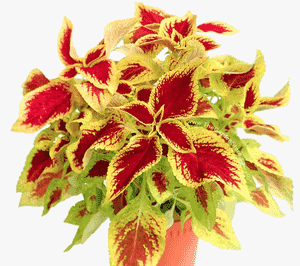
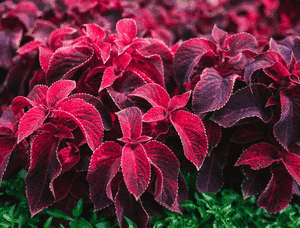
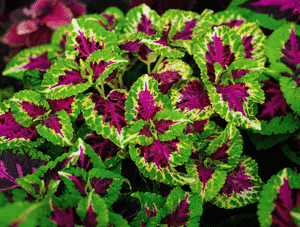
The main identification feature of Plectranthus scutellarioides is its colorful, variegated leaves. The leaves can come in shades of green, yellow, pink, red, maroon, etc., often in a striking array of patterns and designs. The leaves are also typically quite broad, with serrated margins.

Scientific Classification of Plectranthus scutellarioides

Phylum
Tracheophyta
Class
Magnoliopsida
Order
Lamiales
Family
Lamiaceae
Genus
Coleus
Species
C. scutellarioides

Planting and Growing of Plectranthus scutellarioides

Care Difficulty
Easy
Watering Schedule
Every 8 days
Sunlight Requirements
Partial sun
Sunshine Duration
6-10 hours
Ideal Temperature
65-75℉
Soil Type
Potting Mix, Peat Mix
Soil pH
6-7.5
Fertilizer Type
Balanced
Pruning Season
Spring, Summer
Pruning Area
Branches, Leaves
Pruning Frequency
2 times a year
Repotting Season
Spring
Pot Type
Plastic, Ceramic

water icon How to Water Plectranthus scutellarioides?

For Plectranthus scutellarioides, ensure the soil is evenly moist but not soggy. Provide about 250ml of water per session to maintain adequate moisture levels without waterlogging. The soil should feel damp to the touch, but water should not pool on the surface.
What are the symptoms of an underwatered Plectranthus scutellarioides?
What should I do if my Plectranthus scutellarioides is not getting enough water?
What are the symptoms of an overwatered Plectranthus scutellarioides?
How to save an overwatered Plectranthus scutellarioides?

sunlight icon What Are the Sunlight Requirements for Plectranthus scutellarioides?

Sunlight Requirements: Partial sun, Full sun
Duration of light: 4-6 hours daily
Ideal light range for Plectranthus scutellarioides is partial to full sun. Proper lighting results in vigorous growth, enhanced leaf colors, and an overall healthier plant.
Optimal Sunlight Exposure
Achieving Perfect Light Balance
Benefits of Ideal Lighting

temperature icon What Is the Ideal Temperature Range for Plectranthus scutellarioides?

Ideal Temperature: 65 ~ 75℉
Plectranthus scutellarioides thrives best within an ideal temperature range of 65°F to 75°F. This range supports optimal growth and development, ensuring vibrant foliage and overall health. The plant prefers consistent warmth typical of its native tropical and subtropical habitats.

soil icon What Soil is Best for Plectranthus scutellarioides?

Soil type: Loam, Sandy loam
Soil PH: 6 ~ 7.5
Plectranthus scutellarioides thrives in well-drained soil. This ensures that water does not accumulate around the roots, preventing root rot and other waterlogged soil issues that could lead to plant stress and decline. The plant requires soil with moderate fertility to promote vibrant foliage and healthy growth. Using a loamy soil enriched with organic matter will provide the essential nutrients needed for the plant’s optimal development. Maintaining consistent moisture levels in the soil is crucial for the health of Plectranthus scutellarioides. Regular watering helps sustain the plant’s turgidity and vibrancy, contributing to its lush appearance.

fertilize icon How to Fertilize Plectranthus scutellarioides?

Fertilizer type: Balanced
For Plectranthus scutellarioides, using a balanced liquid fertilizer, such as a 10-10-10 NPK formula, is recommended. Dilute the fertilizer to half the recommended strength to prevent over-fertilization. Apply approximately 20-25 ml of this solution per plant, ensuring the soil is moist before application for optimal nutrient absorption.

prune icon How to Prune Plectranthus scutellarioides?

Pruning Time: Spring, Summer, Autumn, Winter
Begin by identifying any dead or yellowing leaves, which should be promptly removed. Additionally, look for long, leggy stems and trim them back to a node to encourage denser foliage growth. When cutting, always prune just above a node where the leaf meets the stem. This strategic cut encourages the plant to send out new shoots from the node, resulting in a bushier plant. After pruning, monitor the plant for new growth. This is a sign of good health and indicates that the pruning was beneficial. Adjust any future pruning based on how the plant responds to ensure ongoing vitality.

propagate icon How to Propagate Plectranthus scutellarioides plant?

Propagate Time: Late spring, Early summer
1
Choose healthy, disease-free plants for taking cuttings or obtaining seeds, as they yield better outcomes and diminish the likelihood of transferring diseases.
2
Use clean, sharp pruning shears to take 4-6 inch cuttings from the tips of healthy shoots, ensuring each cutting has at least two leaf nodes.
3
Prepare a well-draining potting mix combining perlite, vermiculite, and regular potting soil to create an ideal rooting environment for cuttings.

repot icon How to Repot Plectranthus scutellarioides plant?

Repotting frequency: Every 1-2 years
1
Plectranthus scutellarioides requires repotting when the roots start circling the pot, showing signs of being root-bound or when growth slows down despite proper care. An early spring check-up is ideal for spotting these signals.
2
Select a pot slightly larger than the current one, with ample drainage holes. This ensures robust root growth and prevents root rot, a common issue when pots lack adequate drainage.
3
Choose a well-draining potting mix enriched with organic matter like peat moss or perlite. This mix keeps the soil airy, preventing compaction and ensuring the roots receive sufficient oxygen and drainage.

ForwardPlant - Identify plants with a snap

Find the best spots for them to optimize their health, simply using your phone.

Try for Free