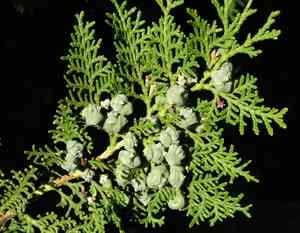
Oriental arborvitae(Platycladus orientalis)

Oriental arborvitae (Platycladus orientalis)

Also known as: Oriental thuja, Chinese arborvitae

Platycladus orientalis, commonly known as Oriental arborvitae, is a small evergreen tree native to East Asia. Uniquely, it is the sole species in the Platycladus genus. This tree is frequently grown for ornamental purposes and also valued for its wood.

Attributes of Oriental arborvitae

Lifespan
Perennial
Plant Type
Tree
Plant Height
15 m to 20 m
Spread
6 m
Leaf Color
Green Blue Yellow
Flower Size
2 mm
Flower Color
Green Yellow

PlantJoy - Identify plants with a snap

Identify and diagnose plants, get toxicity alerts, and explore safety guides for all types of fungi.

Try for Free

Images of Oriental arborvitae

Oriental arborvitae(Platycladus orientalis)

Quickly Identify Oriental arborvitae

1
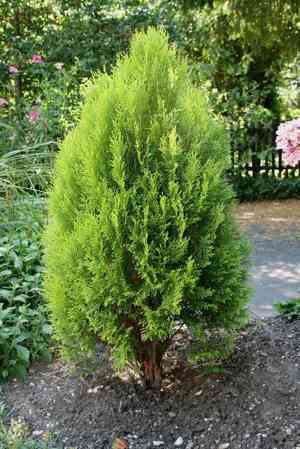
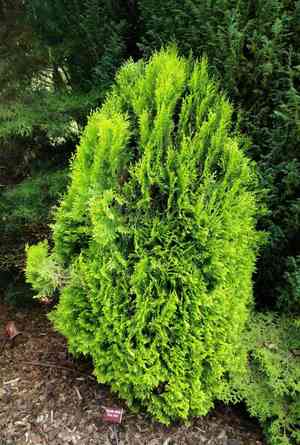
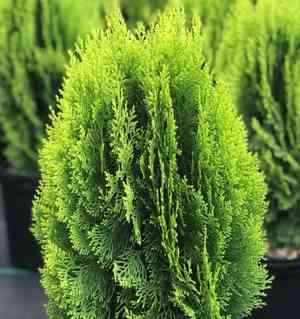
Dense conical growth transitioning to open columnar shape.
2
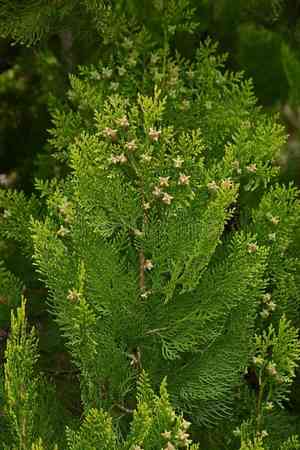
Oval cones, 0.5 inches (1.2 cm) long, changing color from greenish-yellow to brown.
3
Woody cones with yellow seeds turning light brown, resembling rose-like structures.
4
Triangular scale-like leaves, 0.12 inches (3 mm) long, emitting odor when bruised.
5
Distinctive reddish-brown bark peeling in strips, fibrous texture, vertical regular patterns.

Scientific Classification of Oriental arborvitae

Phylum
Vascular plants
Class
Conifers
Order
Pines and allies
Family
Cypress
Genus
Platycladus
Species
Oriental arborvitae

Planting and Growing of Oriental arborvitae

Care Difficulty
Easy
Watering Schedule
Every 2 days
Sunlight Requirements
Full sun
Sunshine Duration
4-6 hours
Ideal Temperature
59-77℉
Soil Type
Potting Mix, Peat Mix
Soil pH
6.5-7.5
Fertilizer Type
Balanced
Pruning Season
Spring, Summer
Pruning Area
Branches, Leaves
Pruning Frequency
2 times a year
Repotting Season
Spring
Pot Type
Plastic, Ceramic

water icon How to Water Oriental arborvitae?

Platycladus orientalis prefers moderate watering. Ensure the soil is evenly moist but not saturated. A good rule of thumb is to water around 500 milliliters per plant, enough to moisten the root zone without waterlogging.
What are the symptoms of an underwatered Oriental arborvitae?
What should I do if my Oriental arborvitae is not getting enough water?
What are the symptoms of an overwatered Oriental arborvitae?
How to save an overwatered Oriental arborvitae?
More About Watering Techniques

sunlight icon What Are the Sunlight Requirements for Oriental arborvitae?

Sunlight Requirements: Full sun, Partial sun
Duration of light: 6-8 hours
Platycladus orientalis ideally needs full to partial sunlight (6-8 hours) for robust growth. Adequate sunlight ensures the plant maintains its health, enhancing photosynthesis and foliage development.
How much sunlight does Platycladus orientalis need?
What if my garden doesn't provide enough natural sunlight?
What benefits can ideal lighting bring to Platycladus orientalis?
More About Sunlight Requirements Techniques

temperature icon What Is the Ideal Temperature Range for Oriental arborvitae?

Ideal Temperature: 59 ~ 77℉
For optimal growth, Platycladus orientalis thrives in temperatures ranging from 59°F to 77°F. This range ensures that the plant's metabolic activities are performed efficiently, leading to healthy growth.

soil icon What Soil is Best for Oriental arborvitae?

Soil type: Loam, Sandy loam, Calcareous soil
Soil PH: 6.5 ~ 7.5
Platycladus orientalis thrives in well-draining soil as it prevents root rot by allowing excess water to flow away. This kind of soil maintains adequate aeration, which is crucial for healthy root growth. This plant appreciates moderately fertile soil that provides sufficient nutrients for sustained growth. Fertile soil supports lush foliage and robust plant health, reducing the need for frequent fertilization. Platycladus orientalis prefers soil with a pH ranging from slightly alkaline to neutral. Such pH levels optimize nutrient availability, supporting balanced growth and preventing nutrient toxicities or deficiencies. More About Soil

fertilize icon How to Fertilize Oriental arborvitae?

Fertilizer type: Balanced
When fertilizing Platycladus orientalis, it is crucial to use a balanced fertilizer such as a 10-10-10 or 14-14-14 NPK formulation. For young trees, apply approximately 1/4 cup of fertilizer per plant, while mature trees may require up to 1 cup per application. Ensure that the amount is spread evenly around the base of the plant without direct contact with the trunk to avoid fertilizer burn.

prune icon How to Prune Oriental arborvitae?

Pruning Time: Spring, Summer, Autumn
Begin by inspecting the tree visually to identify dead or diseased branches. Cut these at their base to allow healthy growth. Next, focus on shaping the tree by trimming wayward branches to maintain the desired form. Lastly, ensure consistent sunlight penetration by thinning overcrowded areas, focusing on areas where branches crisscross or tightly cluster. Prune during late winter or early spring when the tree is still dormant. This timing encourages lush growth come spring. Avoid pruning in winter when the sap is low, as this can lead to dieback. More About Pruning Techniques

propagate icon How to Propagate Oriental arborvitae plant?

Propagate Time: Spring,Early spring
1
Harvest seeds from mature Platycladus orientalis cones in early spring. Dry them in a cool, shaded area before storing, as this increases viability.
2
In early spring, select healthy, non-flowering stems and cut them at a 45-degree angle. Dip them in rooting hormone to enhance root development.
3
Plant seeds in a seed tray filled with a mix of peat moss and perlite. Water lightly and maintain a damp but not waterlogged environment until germination.
More About Propagating Techniques

repot icon How to Repot Oriental arborvitae plant?

Repotting frequency: Every 2-3 years
1
Platycladus orientalis should be repotted when you notice that the roots start to circle the pot or bulge through drainage holes. This is usually a sign that the plant has outgrown its current container. Additionally, slower growth than usual or water sitting on top rather than soaking in are indications that a repotting is necessary.
2
Select a pot that's 1-2 inches larger in diameter than the current one to accommodate growth. The pot should have adequate drainage holes to prevent root rot, which is essential for Platycladus orientalis. A clay or terracotta pot can be beneficial as it allows excess moisture to evaporate, reducing the risk of overwatering.
3
Use a well-drained, loamy soil mix to ensure proper aeration and moisture retention. This type of soil provides a balanced environment where roots can access the necessary nutrients without becoming waterlogged. It also supports good root development and prevents compacting over time.

PlantJoy - Identify plants with a snap

Find the best spots for them to optimize their health, simply using your phone.

Try for Free

Toxicity of Oriental arborvitae

Is Oriental arborvitae toxic to cat?

The oriental arborvitae is considered to possess a low level of toxicity for cats, which could become problematic if they ingest it in large quantities, especially the leaves. When cats consume substantial amounts of oriental arborvitae, they may display signs of discomfort or illness. Therefore, it is essential for cat owners to monitor their pets' access to oriental arborvitae, and if poisoning is suspected, prompt treatment at a veterinary clinic is imperative.

Is Oriental arborvitae toxic to dog?

Oriental arborvitae is known to possess a mild toxicity level for dogs. Dogs may experience poisoning if they ingest it in substantial amounts. The primary toxic components of oriental arborvitae are its leaves, which, when consumed, can result in a range of poisoning symptoms. Pet owners should remain alert for indications such as gastrointestinal disturbances, vomiting, or diarrhea, as these may point to the consumption of the plant. If there's a suspicion that your dog has ingested oriental arborvitae, it is crucial to obtain prompt veterinary assistance to guarantee the best potential outcome for your pet’s health.

Identify toxic plants for your safety

Learn which plants are harmful to you and your pets, and make informed choices for a safer home!

Try for Free
WARNING
The judgment on toxicity and danger is for reference only. We DO NOT GUARANTEE any accuracy of such judgment. Therefore, you SHALL NOT rely on such judgment. It is IMPORTANT TO SEEK PROFESSIONAL ADVICE in advance when necessary.
More About Toxic Techniques