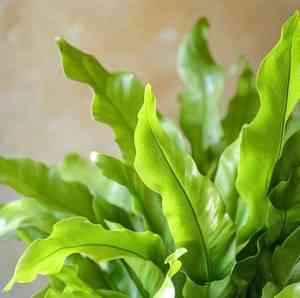
Elkhorn fern (Platycerium bifurcatum)
Also known as: Elkhorn Fern, Common Staghorn Fern
Elkhorn ferns can grow up to approximately 89 cm in height and 79 cm in width. These ferns absorb water through both their roots and fronds, making regular moisture essential for their development. Typically, elkhorn ferns thrive in and around rainforest environments.
In This Article
Plant Comprehensive Care Guide: Beginner's Introduction and Key Details
Perfect for beginners starting their plant care journey
→
10 Secrets to Making Elkhorn fern Grow Faster (A Must-Read for Beginners)
Advanced tips to accelerate your plant's growth
→
Care "Black Tech": 10 Little-Known Highly Effective Maintenance Tips
Expert-level techniques for optimal plant care
→
Attributes of Elkhorn fern
Lifespan
Perennial
Plant Type
Fern
Plant Height
90 cm
Spread
80 cm
Leaf Color
Green Gray Silver
Flower Size
Not applicable (ferns do not produce flowers)
Flower Color
Not applicable (ferns do not produce flowers)
Images of Elkhorn fern
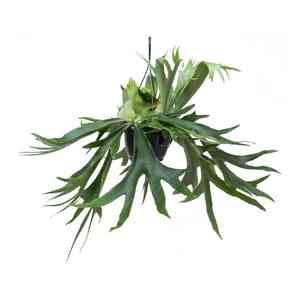
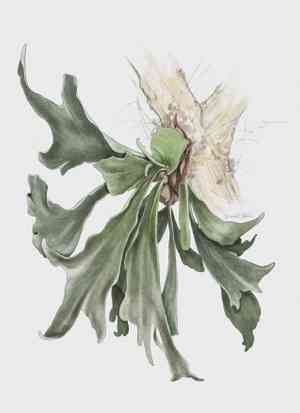
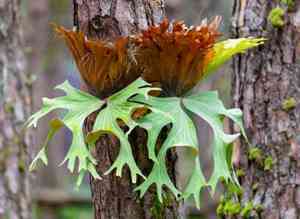
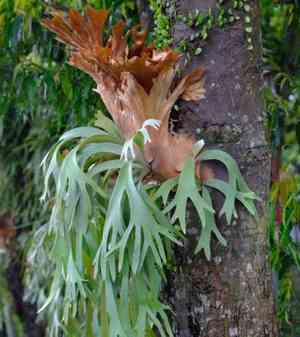
Quickly Identify Elkhorn fern
1
Distinctive duo of fronds: vegetative fronds broad and shield-like, fertile fronds bifurcated like stag antlers.
2
Rhizomatous growth habit: fronds emerge from creeping rhizomes, forming expansive colonies with pups.
3
Leaf dichotomy: sterile fronds papery, heart-shaped; fertile fronds downy, dichotomously branched with spores.
Scientific Classification of Elkhorn fern
Phylum
Vascular plants
Class
Ferns
Order
Polypodiales
Family
Polypody
Genus
Staghorn ferns
Species
Elkhorn fern
Planting and Growing of Elkhorn fern
Care Difficulty
Easy
Watering Schedule
Every 2 days
Sunlight Requirements
Partial sun
Sunshine Duration
6-10 hours
Ideal Temperature
65-80℉
Soil Type
Potting Mix, Peat Mix
Soil pH
6.5-7.5
Fertilizer Type
Balanced
Pruning Season
Spring, Summer
Pruning Area
Branches, Leaves
Pruning Frequency
2 times a year
Repotting Season
Spring
Pot Type
Plastic, Ceramic
 How to Water Elkhorn fern?
For Platycerium bifurcatum, the watering amount should replicate a tropical climate mimicking consistent but moderate rainfalls. Aim for about 200 ml per watering, ensuring the soil is moist but not waterlogged. Water should fully saturate the soil but allow it to drain completely, leaving the base of the fern merely damp.
More About Watering Techniques→
What are the symptoms of an underwatered Elkhorn fern?
›
What should I do if my Elkhorn fern is not getting enough water?
›
What are the symptoms of an overwatered Elkhorn fern?
›
How to save an overwatered Elkhorn fern?
›
 What Are the Sunlight Requirements for Elkhorn fern?
Partial sun provides the ideal light conditions for Platycerium bifurcatum, closely replicating their natural forest canopy habitat. The balance of light supports healthy growth, vibrant color, and sturdy frond development.
More About Sunlight Requirements Techniques→
How much sunlight does Platycerium bifurcatum need?
›
How do I provide ideal lighting indoors?
›
What benefits are there from ideal lighting?
›
 What Is the Ideal Temperature Range for Elkhorn fern?
The ideal temperature range for Platycerium bifurcatum, also known as the staghorn fern, is between 65°F and 80°F. This range mimics the tropical and subtropical climates this plant naturally thrives in, ensuring optimal growth and health.
 What Soil is Best for Elkhorn fern?
Platycerium bifurcatum thrives in nutrient-rich soil that can provide essential minerals and organic matter. A nutrient-dense medium promotes healthy frond growth and improves the plant's overall vigor. This fern prefers soil that drains well, preventing root rot and maintaining optimal moisture levels. Well-draining soil ensures the plant isn't waterlogged, which can otherwise lead to fungal issues. The roots of Platycerium bifurcatum require aerated soil to function properly. Soil with good aeration supports root respiration and facilitates healthy plant growth, ensuring access to oxygen.
More About Soil→
 How to Fertilize Elkhorn fern?
For Platycerium bifurcatum, modest fertilization is key. During the growing season, apply a liquid fertilizer diluted to half strength. Use about 1/4 to 1/2 teaspoon of a balanced 20-20-20 fertilizer per gallon of water. Avoid over-fertilizing as it can lead to salt buildup and damage.
 How to Prune Elkhorn fern?
Start by examining your Platycerium bifurcatum for any dead or brown fronds, which can often appear at the base of the plant. Use sharp, sterilized scissors or pruning shears to cut these fronds back to their base, being careful not to damage the healthy areas. Pay special attention to the shield fronds, which protect the roots; these should typically be left alone unless they are thoroughly brown and dry. If your plant is very dense, you can selectively thin out some of the healthy fronds to promote better air circulation, which will help prevent fungal infections.
More About Pruning Techniques→
 How to Propagate Elkhorn fern plant?
1
Choose a healthy, mature plant for propagation, and water it a day before dividing to ensure the roots are hydrated and pliable. Carefully remove the plant from its pot to examine the root system.
2
Using a sharp knife, separate the plant into sections, ensuring each division has healthy fronds and a portion of the root system. Handle the divisions gently to minimize damage.
3
Plant each division in a new pot filled with sterile potting mix. Firm the soil around the roots securely to provide support, and water the divisions thoroughly to help them establish.
 How to Repot Elkhorn fern plant?
1
Repot your Platycerium bifurcatum when its roots begin to outgrow the pot, as evidenced by roots protruding from drainage holes or the plant becoming top-heavy. These signs indicate it's time to upgrade to a new home for your plant.
2
Select a pot that is 1 to 2 inches larger in diameter than the current one, with ample drainage holes. A slightly larger pot ensures that the roots have room to expand while preventing waterlogging, which can lead to root rot.
3
Use a well-draining orchid or fern mix, which provides both anchor and airflow around roots. This mix emulates the staghorn fern's natural habitat, allowing moisture to be retained while excess water drains to prevent root rot.



