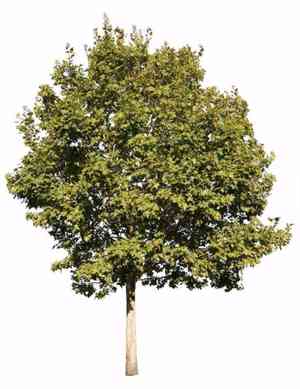
American sycamore (Platanus occidentalis)
Also known as: Western Plane, American plane tree, Buttonwood
The American sycamore is renowned for its impressive size, often growing between 75 to 100 feet tall. It features large, lobed leaves reminiscent of maple leaves. The tree has an exceptionally thick trunk, with some mature specimens reaching diameters up to 15 feet, making it one of the largest native trees in North America.
In This Article
Attributes of American sycamore
Lifespan
Perennial
Plant Type
Tree
Plant Height
30 m to 40 m
Spread
30 m
Leaf Color
Green Yellow Brown
Flower Size
2.5 cm
Flower Color
Yellow Green Red
Images of American sycamore
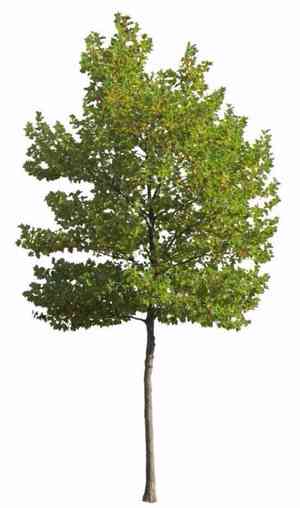
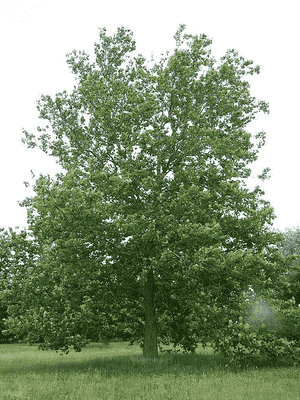
Quickly Identify American sycamore
1
Stout, orangish-brown zigzag stem with large, resinous, reddish lateral buds and absent terminal bud.
2
Distinctive bark with gray, brown, and creamy white patchwork exfoliating in rugged and smooth patterns.
3
Large, deep green leaves with 3-5 lobes, serrated edges, and wide span of 4-9 inches.
4
Small, fuzzy fruit spheres on stalks with fibrous interior and brown color maturing in fall.
5
Solitary globose syncarps of greenish-yellow male and red female flowers on 3-6 inch peduncles in clusters.
Scientific Classification of American sycamore
Phylum
Vascular plants
Class
Dicotyledons
Order
Proteales
Family
Plane tree
Genus
Plane trees
Species
American sycamore
Planting and Growing of American sycamore
Care Difficulty
Easy
Watering Schedule
Every 2 days
Sunlight Requirements
Full sun
Sunshine Duration
4-8 hours
Ideal Temperature
72-85℉
Soil Type
Potting Mix, Peat Mix
Soil pH
6.5-7.5
Fertilizer Type
Balanced
Pruning Season
Spring, Summer
Pruning Area
Branches, Leaves
Pruning Frequency
2 times a year
Repotting Season
Spring
Pot Type
Plastic, Ceramic
 How to Water American sycamore?
For Platanus occidentalis, it's important to ensure the soil is moist without being waterlogged. Watering should be sufficient to keep the soil consistently damp to the touch but not overly wet. A general guideline is to apply around 1000 ml per session, allowing water to gradually seep into the ground, promoting deeper root growth and preventing evaporation loss.
More About Watering Techniques→
What are the symptoms of an underwatered American sycamore?
›
What should I do if my American sycamore is not getting enough water?
›
What are the symptoms of an overwatered American sycamore?
›
How to save an overwatered American sycamore?
›
 What Are the Sunlight Requirements for American sycamore?
Platanus occidentalis flourishes under conditions of 6-8 hours of direct sunlight daily. Ideal light exposure ensures strong growth, disease resistance, and vibrant seasonal coloration for optimal aesthetics and health.
More About Sunlight Requirements Techniques→
What is the optimal sunlight level?
›
How can one ensure these sunlight conditions are met?
›
What benefits arise from ideal sunlight exposure?
›
 What Is the Ideal Temperature Range for American sycamore?
For the optimal growth of Platanus occidentalis, maintaining temperatures between 72°F to 85°F is ideal. This range ensures robust photosynthesis and overall plant health, promoting vigorous growth and development.
 What Soil is Best for American sycamore?
Platanus occidentalis thrives in well-drained soil conditions. This ensures that the roots obtain enough oxygen and prevent waterlogging, which can lead to root rot. Having well-drained soil also means the plant can maintain healthier growth patterns, resist diseases, and sustain vigorous development. A nutrient-rich soil is crucial for the growth of Platanus occidentalis. Such soil supports extensive foliage and full canopy development, supplying necessary minerals like nitrogen, phosphorus, and potassium, which are vital for photosynthesis and general plant metabolism. While drainage is important, having a soil that can retain adequate moisture is equally vital for Platanus occidentalis. This ensures consistent water supply during dry spells, aiding in reducing stress on the plant and ensuring continuous growth. Balancing drainage with moisture retention helps maintain soil health.
More About Soil→
 How to Fertilize American sycamore?
For Platanus occidentalis, apply a balanced fertilizer at the rate of 1 pound for every inch of trunk diameter, measured approximately 4 feet from the ground. This method allows the tree to receive an adequate supply of nutrients without overloading the soil. Be sure to adjust the amount based on its health and growth rate.
More About Fertilizing Techniques→
 How to Prune American sycamore?
Start by removing any dead or diseased branches. Then, focus on thinning out crowded areas to improve air circulation. Always make clean cuts near the branch collar to promote proper healing. When shaping the crown of a Platanus occidentalis, aim to create a balanced structure by trimming excess growth. This will ensure the tree remains healthy and aesthetically pleasing throughout the seasons.
More About Pruning Techniques→
 How to Propagate American sycamore plant?
1
Harvest mature seeds in late spring when seed pods have fully developed. It's essential to collect seeds that have a higher likelihood of germination and store them in a dry place until they are ready to be sown.
2
Select healthy branches during the spring. Cut a section approximately 6 inches long, ensuring the cutting includes at least a couple of nodes. If needed, dip the cut end into rooting hormone to stimulate root growth.
3
Sow seeds in seed trays filled with potting mix and place cuttings in a well-draining medium. Keep them in a warm, well-lit area, ensuring the medium remains moist but not waterlogged, which will encourage root development.
 How to Repot American sycamore plant?
1
Watch for signs that your Platanus occidentalis needs repotting, such as roots emerging from drainage holes or stunted growth. It's ideal to repot during its growth seasons, spring or summer, to give the plant maximum support during its settling period.
2
Select a pot that's at least 2 inches larger in diameter than the current one. Ensure it has sufficient drainage holes. The larger space allows more room for root growth, promoting healthy expansion. Proper drainage prevents waterlogging, reducing risks of root rot.
3
Opt for a well-draining, loamy soil mixed with a bit of organic matter. This combination retains enough moisture yet allows excess water to flow out, mimicking the ideal conditions of its natural habitat. It ensures roots receive adequate oxygen and nutrients.



