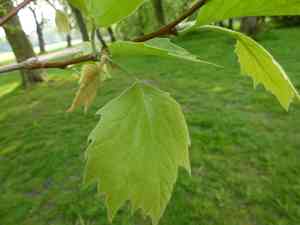
Platanus × hispanica (Platanus × hispanica)
Also known as: London plane, Hybrid plane
Platanus × hispanica, also commonly referred to as the London plane or hybrid plane, belongs to the Platanus genre of trees. It is also frequently recognized by its later name, Platanus × acerifolia. This tree is actually a hybrid, resulting from the crossbreeding of Platanus orientalis, commonly known as oriental plane, and Platanus occidentalis, typically known as American sycamore.
In This Article
Attributes of Platanus × hispanica
Lifespan
Perennial
Plant Height
The mature height of the tree ranges from 66 to 98 feet.
Spread
The crown spread of a mature London Planetree can reach up to 50 feet or more.
Leaf Color
Green
Flower Size
The flowers are small and arranged in globular heads
Flower Color
Male flowers - pinkish-red, Female flowers - Greenish
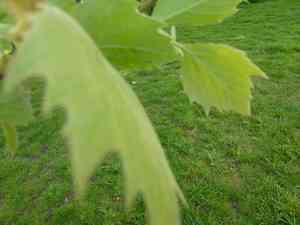
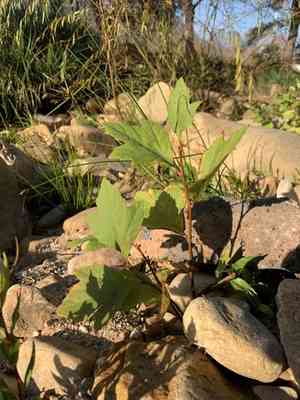
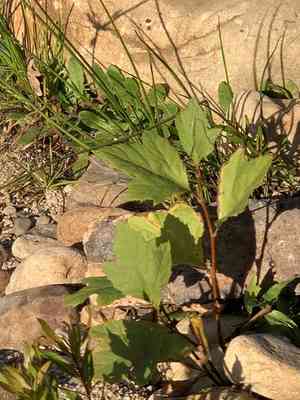
Images of Platanus × hispanica
Quickly Identify Platanus × hispanica
1
The London Plane can be identified by its distinctive bark that peels away in patches, leaving a mottled appearance. Its large, maple-like leaves with three to five lobes and spherical seed clusters hanging from long stalks are also characteristic features.
Scientific Classification of Platanus × hispanica
Phylum
Magnoliophyta
Class
Magnoliopsida
Order
Proteales
Family
Platanaceae
Genus
Platanus
Species
P. × hispanica
Planting and Growing of Platanus × hispanica
Care Difficulty
Easy
Watering Schedule
Every 3 days
Sunlight Requirements
Full sun
Sunshine Duration
4-8 hours
Ideal Temperature
50-77℉
Soil Type
Potting Mix, Peat Mix
Soil pH
6.5-7.5
Fertilizer Type
Balanced
Pruning Season
Spring, Summer
Pruning Area
Branches, Leaves
Pruning Frequency
2 times a year
Repotting Season
Spring
Pot Type
Plastic, Ceramic
 How to Water Platanus × hispanica?
When watering Platanus × hispanica, aim for 500 milliliters per session, ensuring the water reaches the root zone without stagnation. The principle is to water deeply enough to keep the soil consistently moist but never waterlogged.
What are the symptoms of an underwatered Platanus × hispanica?
›
What should I do if my Platanus × hispanica is not getting enough water?
›
What are the symptoms of an overwatered Platanus × hispanica?
›
How to save an overwatered Platanus × hispanica?
›
 What Are the Sunlight Requirements for Platanus × hispanica?
Platanus × hispanica thrives in full sun to partial sun, benefiting from the abundant light for photosynthesis. Proper sunlight exposure strengthens tree resilience and enhances leaf coloration.
What is the best light condition for Platanus × hispanica?
›
How to achieve ideal lighting conditions?
›
What benefits does ideal lighting provide?
›
 What Is the Ideal Temperature Range for Platanus × hispanica?
The ideal temperature range for Platanus × hispanica is between 50°F and 77°F. This range provides optimal conditions for growth and development. In this range, the tree can efficiently photosynthesize, uptake nutrients, and grow at a healthy rate. Furthermore, these temperatures help in maintaining the biochemical processes vital for the tree's survival.
 What Soil is Best for Platanus × hispanica?
Platanus × hispanica thrives in soil that provides ample drainage to prevent waterlogging. Good drainage ensures that the roots receive enough oxygen and prevents diseases such as root rot. A nutrient-rich soil supports the robust growth of the London Plane Tree. Utilizing a loamy soil enriched with organic matter caters to the tree’s nutrient requirements, promoting healthy leaf and stem development. While the tree requires well-draining soil, it also benefits from soil that holds some moisture. This attribute helps maintain consistent water availability during dry spells, supporting sustained growth.
 How to Fertilize Platanus × hispanica?
For Platanus × hispanica, use a balanced fertilizer with an N-P-K ratio around 10-10-10. For liquid fertilizers, mix 1 ounce of fertilizer with 1 gallon of water per application. For solid fertilizers, apply evenly according to the package instructions but typically around 1 pound per 100 square feet.
 How to Prune Platanus × hispanica?
Begin by examining the overall structure of your Platanus × hispanica. Focus on pruning to maintain a strong central leader and an open branch system. Remove any crossing or crowded branches to promote a healthy, aesthetically pleasing shape. Regular thinning allows sunlight to penetrate through the canopy, encouraging vigorous growth in the inner parts of the tree. To control the size of your Platanus × hispanica and decrease the risk of disease, selectively prune high branches and water sprouts. This should be done gradually over several years to avoid shocking the tree. Target branches that grow too close to structures or other trees, ensuring the tree’s growth aligns with the space available.
 How to Propagate Platanus × hispanica plant?
1
Choose healthy, disease-free woody cuttings from the parent tree during the growing season. The cuttings should be 15-20 cm long, with at least three nodes.
2
Remove any leaves from the lower half of the cutting to focus the plant's energy on root development. Dip the cut end into rooting hormone for better chances of rooting.
3
Insert the prepared cutting into a well-draining potting mix, ensuring at least two nodes are under the soil. Water the soil lightly to help settle it around the cutting.
 How to Repot Platanus × hispanica plant?
1
Platanus × hispanica, also known as the London Plane, signals the need for repotting when roots start protruding from the drainage holes, the soil seems to dry out too quickly, or the plant shows stunted growth. Ideally, repotting is best during the active growing season in spring to minimize stress and take advantage of vigorous root development.
2
Select a pot that is 2-3 inches larger in diameter than the current one, with adequate drainage holes to prevent water stagnation. A terracotta or ceramic pot helps wick away excess moisture, promoting healthy root aeration and reducing the risk of root rot, a frequent issue with overly retaining containers.
3
A loamy, well-draining soil mix that holds enough moisture yet allows for air exchange is optimal for Platanus × hispanica. This kind of soil prevents waterlogged conditions, ensuring that the plant’s roots can breathe and absorb nutrients efficiently, thus promoting vigorous growth.

