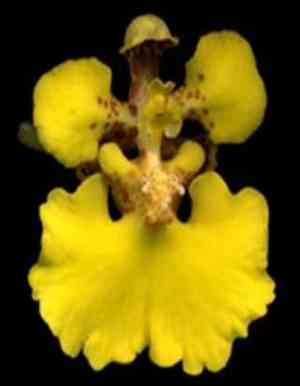
Yosemite bog orchid (Platanthera yosemitensis)
Also known as: Yosemite bog-orchid
The Sierra bog orchid, native to Yosemite National Park, features tall spikes adorned with white to pale green flowers. This rare orchid thrives in the high-altitude meadows, where it benefits from the perfect blend of moisture and sunlight. Its unique spur structure is specifically adapted for pollination by local moths.
In This Article
Attributes of Yosemite bog orchid
Lifespan
Perennial
Plant Type
Herb
Plant Height
10-50 cm
Spread
Not applicable
Leaf Color
Green
Flower Size
Approximately 1 cm
Flower Color
Greenish
Images of Yosemite bog orchid
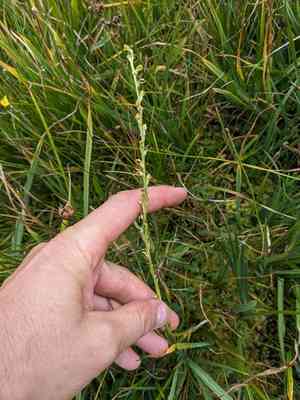
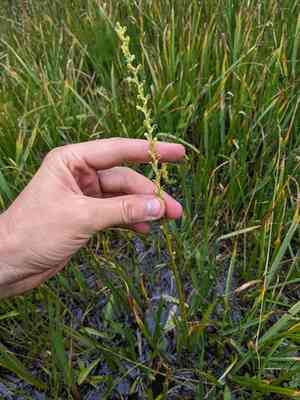
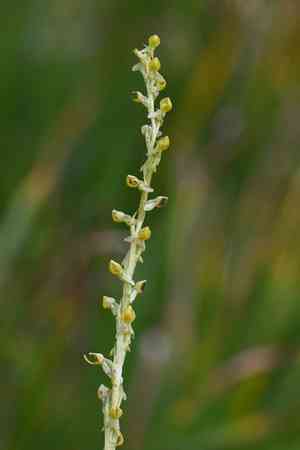
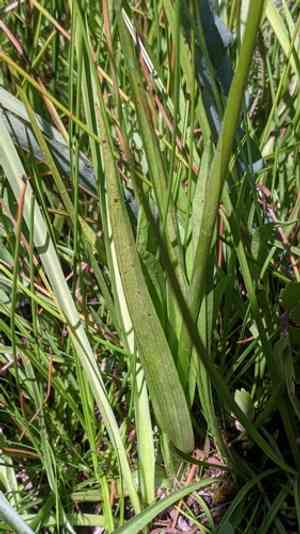
Quickly Identify Yosemite bog orchid
1
To identify Platanthera yosemitensis, look for small, greenish flowers with a spur at the back. The plant typically has a single stem and several lance-shaped leaves. It grows in wet, boggy environments which can help in differentiating it from other orchids.
Scientific Classification of Yosemite bog orchid
Phylum
Vascular plants
Class
Monocotyledons
Order
Asparagales
Family
Orchid
Genus
Bog orchids
Species
Yosemite bog orchid
Planting and Growing of Yosemite bog orchid
Care Difficulty
Hard
Watering Schedule
Every 2 days
Sunlight Requirements
Full shade
Sunshine Duration
4-6 hours
Ideal Temperature
60-75℉
Soil Type
Potting Mix, Peat Mix
Soil pH
6.5-7.5
Fertilizer Type
Balanced
Pruning Season
Spring, Summer
Pruning Area
Branches, Leaves
Pruning Frequency
2 times a year
Repotting Season
Spring
Pot Type
Plastic, Terracotta
 How to Water Yosemite bog orchid?
The watering amount for Platanthera yosemitensis should be sufficient to keep the soil consistently moist but not waterlogged. It thrives best when watered with approximately 150 milliliters per session, making sure that the water seeps thoroughly into the soil, reaching its root zone. Always test the soil moisture before the next watering to adjust based on humidity and soil drainage.
What are the symptoms of an underwatered Yosemite bog orchid?
›
What should I do if my Yosemite bog orchid is not getting enough water?
›
What are the symptoms of an overwatered Yosemite bog orchid?
›
How to save an overwatered Yosemite bog orchid?
›
 What Are the Sunlight Requirements for Yosemite bog orchid?
Platanthera yosemitensis thrives in environments where it receives partial to full shade. This lighting prevents leaf burn while ensuring proper growth and flowering.
What is the ideal location for Platanthera yosemitensis?
›
How can I ensure my Platanthera yosemitensis gets optimal light?
›
What benefits does Platanthera yosemitensis gain from ideal lighting?
›
 What Is the Ideal Temperature Range for Yosemite bog orchid?
The ideal temperature range for Platanthera yosemitensis is between 60°F and 75°F. This range provides the optimal conditions for growth, allowing the plant to thrive by promoting healthy leaf and flower development. Outside this range, the plant may experience stress that can hinder its growth.
 What Soil is Best for Yosemite bog orchid?
Platanthera yosemitensis thrives in soils that provide excellent drainage. This prevents root rot and ensures that the roots have access to oxygen, promoting healthy growth. While drainage is essential, the soil should also retain adequate moisture to sustain the plant between waterings. This helps keep the plant hydrated without causing waterlogging. The plant benefits from nutrient-rich soil that provides essential minerals and elements to support its flowering and growth phases. Nutrient-rich loamy soil promotes vibrant blooms.
 How to Fertilize Yosemite bog orchid?
For Platanthera yosemitensis, it is vital to use a diluted liquid fertilizer mix with a low nitrogen content to prevent root burn. Typically, a 1/4th strength dilution of a balanced 10-10-10 fertilizer works well. It's crucial to adjust the amount based on the plant's growth rate and soil fertility, aiming to provide nutrients without oversaturating the substrate.
 How to Prune Yosemite bog orchid?
Begin by closely examining your Platanthera yosemitensis for any signs of dead or damaged stems, which could negatively affect the plant’s health if left on the plant. Employ sharp, clean pruning shears or scissors to make clean cuts. Clean cuts minimize harm and reduce the risk of infection on new wounds. When pruning, make sure you cut back to healthy, green tissue. This involves trimming away the unhealthy part of the stem until you reach the live tissue. After removing dead or damaged parts, lightly prune to shape the plant, encouraging it to grow in a balanced and aesthetically pleasing form, which also maximizes light exposure.
More About Pruning Techniques→
 How to Propagate Yosemite bog orchid plant?
1
Scatter the seeds of Platanthera yosemitensis thinly across the substrate surface. Lightly press them into the substrate to ensure contact but do not cover them, as they require light to germinate.
2
Cover the seed tray with a transparent lid or plastic wrap to maintain high humidity levels necessary for germination. Regularly mist the substrate to keep it moist but not saturated.
3
Place the seed tray in a warm, well-lit area but out of direct sunlight. Monitor the seeds closely for germination, which could take several weeks, ensuring consistent moisture levels.
 How to Repot Yosemite bog orchid plant?
1
The ideal time to repot Platanthera yosemitensis is when you observe roots growing through the drainage holes or above the soil surface. These signs indicate that the plant has become root-bound and needs more space to thrive. Additionally, if the potting mix has broken down and is no longer providing adequate drainage, it's time for a change.
2
Select a pot that is just one size larger than the current one, with ample drainage holes. This ensures that excess water can easily escape, preventing root rot. A slightly larger pot also encourages healthy root growth, providing the plant with enough room to expand but not so much space that soil remains waterlogged.
3
Opt for a well-draining orchid mix specifically designed for epiphytic orchids. This type of soil allows air circulation around the roots while retaining just enough moisture. Using an appropriate orchid mix will help mimic the plant’s natural habitat, supporting robust growth and minimizing the risk of rot.
Learn More About Yosemite bog orchid Diseases
Anthracnose
Bacterial Leaf Spot
Bacterial Soft Rot
Bacterial Wilt
Black Spot
Chemical Injury
Crown Gall
Cyst Nematode
Damping-off
Downy Mildew
Drought Stress
Fusarium Wilt
Gray Mold
Leaf Curl
Leaf Spot
Mosaic
Nutrient Deficiency
Nutrient Toxicity
Powdery Mildew
Root Rot
Root-knot Nematode
Rusts
Sooty Mold
Spider Mites
Temperature Stress
Thrips Damage
White Mold



