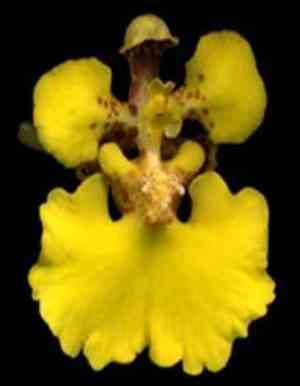
Purple petal bog orchid (Platanthera purpurascens)
Also known as: Purple Fringed Orchid, Eastern Prairie White Fringed Orchid
The purple petal bog orchid, known for its striking deep purple flowers, flourishes in wet, acidic environments such as bogs and wet meadows. These orchids prefer moist, organic-rich soil with good drainage and a balance of sunlight and shade, often found under the canopy of taller trees. This combination creates the ideal conditions for the orchid's growth and vibrant floral display.
In This Article
Attributes of Purple petal bog orchid
Lifespan
Perennial
Plant Type
Herb
Plant Height
30 to 80 cm
Spread
Approximately 20-30 cm
Leaf Color
Green
Flower Size
1-2 cm
Flower Color
Purple, sometimes pink
Images of Purple petal bog orchid
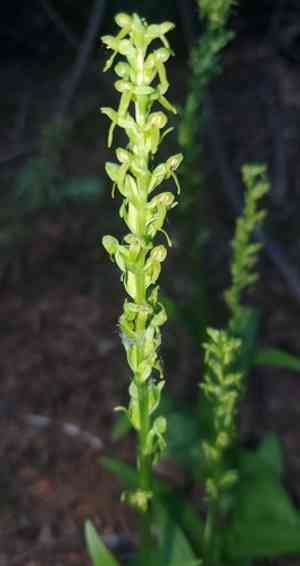
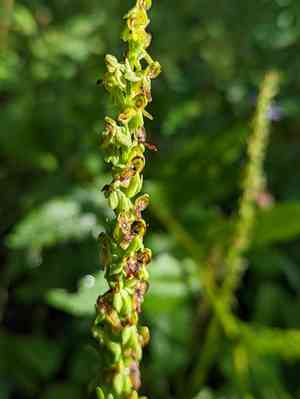
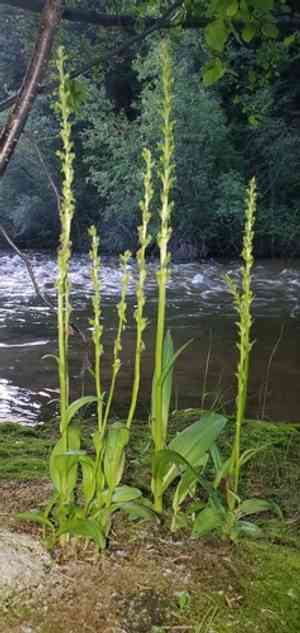
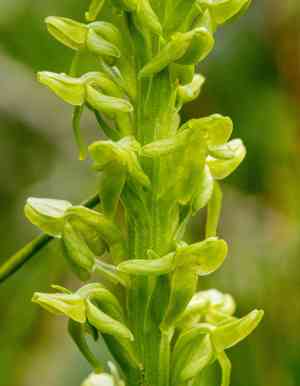
Quickly Identify Purple petal bog orchid
1
The Purple Fringed Orchid can be identified by its purple fringed lip petals and a height ranging from 30 to 80 cm. The flowers are typically arranged in a spike-like raceme.
Scientific Classification of Purple petal bog orchid
Phylum
Vascular plants
Class
Monocotyledons
Order
Asparagales
Family
Orchid
Genus
Bog orchids
Species
Purple petal bog orchid
Planting and Growing of Purple petal bog orchid
Care Difficulty
Hard
Watering Schedule
Every 4 days
Sunlight Requirements
Partial sun
Sunshine Duration
4-8 hours
Ideal Temperature
60-75℉
Soil Type
Potting Mix, Peat Mix
Soil pH
6.5-7.5
Fertilizer Type
Balanced
Pruning Season
Spring, Summer
Pruning Area
Branches, Leaves
Pruning Frequency
2 times a year
Repotting Season
Spring
Pot Type
Plastic, Ceramic
 How to Water Purple petal bog orchid?
Platanthera purpurascens requires careful watering to mimic its natural habitat. Ensure to water until the soil is evenly moist but not waterlogged. A good rule of thumb is to provide around 300 ml of water each time, allowing the soil to absorb and distribute the moisture effectively. It's crucial to avoid the soil becoming soggy to prevent root rot.
What are the symptoms of an underwatered Purple petal bog orchid?
›
What should I do if my Purple petal bog orchid is not getting enough water?
›
What are the symptoms of an overwatered Purple petal bog orchid?
›
How to save an overwatered Purple petal bog orchid?
›
 What Are the Sunlight Requirements for Purple petal bog orchid?
Partial sun exposure, where the plant receives a mix of dappled sunlight and shade, enhances its natural growing conditions. This kind of light balance promotes optimal photosynthesis and vibrant foliage, supporting robust growth and reproduction.
What is the ideal sunlight for Platanthera purpurascens?
›
How to ensure ideal sunlight conditions indoors?
›
What are the benefits of ideal lighting for Platanthera purpurascens?
›
 What Is the Ideal Temperature Range for Purple petal bog orchid?
Platanthera purpurascens thrives best in temperatures ranging from 60°F to 75°F. This range ensures optimal metabolic processes, photosynthesis, and overall growth. Consistency within this range is crucial for preventing stress and maintaining healthy foliage and blossoms.
 What Soil is Best for Purple petal bog orchid?
Platanthera purpurascens thrives in well-drained soils, which prevent waterlogging and provide adequate aeration to the roots. Ensuring good drainage enhances root health and prevents root rot. This plant favors soils with moderate nutrient levels, avoiding overly rich or poor soils. Balanced nutrients support healthy growth and vibrant flowering in this species. Keeping the soil slightly moist but not soggy is crucial for Platanthera purpurascens. Regular watering ensures optimal growth while avoiding the risk of dehydration or overwatering.
 How to Fertilize Purple petal bog orchid?
Platanthera purpurascens prefers a balanced approach when it comes to fertilization. A diluted 20-20-20 liquid fertilizer is recommended. Use about one tablespoon per gallon of water for larger specimens. For younger plants, a teaspoon may suffice, applied carefully to avoid root burn.
 How to Prune Purple petal bog orchid?
Begin by identifying any dead or wilted flowers and leaves on your Platanthera purpurascens. These parts can be safely removed to enhance the plant's aesthetics and overall health. Trim leggy or excessively long stems to encourage a fuller appearance. Make cuts just above a set of leaves or a node to stimulate new growth in the desired direction.
More About Pruning Techniques→
 How to Propagate Purple petal bog orchid plant?
1
Select a suitable germination medium, ideally a well-draining mix that mimics the orchid's natural habitat, and fill seed trays with this medium. Ensure it is sterile to prevent fungal growth.
2
Sprinkle the Platanthera purpurascens seeds evenly across the surface of the medium in the seed tray, as fine seeds are best sown on the surface with adequate light for germination.
3
Begin the tissue culture propagation by sterilizing the plant material and transferring it to a nutrient-rich, sterile growth medium in sealed culture vessels.
 How to Repot Purple petal bog orchid plant?
1
Platanthera purpurascens should be repotted when you notice its roots are growing out of the pot, or when the soil does not retain moisture well. Usually, repotting is appropriate when new growth begins in the spring. This indicates that the plant is ready to expand and will handle the stress of repotting better.
2
Select a pot that is just one size larger than the current one, ensuring there is enough room for root expansion but not too much excess space that can lead to overwatering roots. A pot with good drainage, like one with multiple holes, is crucial to prevent waterlogging and promote healthy root development.
3
For Platanthera purpurascens, a well-draining orchid mix is ideal. This mixture typically includes bark, perlite, and sphagnum moss, facilitating excellent airflow and moisture retention, which are essential for orchids. Such soil ensures that the water does not stay stagnant, reducing the risk of root rot while maintaining necessary hydration.
Learn More About Purple petal bog orchid Diseases
Anthracnose
Bacterial Leaf Spot
Bacterial Soft Rot
Damping-off
Downy Mildew
Drought Stress
Fusarium Wilt
Gray Mold
Leaf Curl
Leaf Spot
Mosaic
Nutrient Deficiency
Nutrient Toxicity
Powdery Mildew
Root Rot
Root-knot Nematode
Rusts
Sooty Mold
Spider Mites
Temperature Stress
Thrips Damage
White Mold
Chemical Injury



