
Prairie white fringed orchid (Platanthera leucophaea)
Also known as: Eastern prairie white fringed orchid
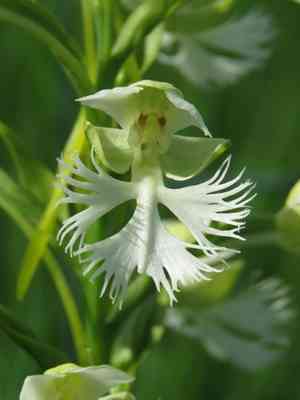
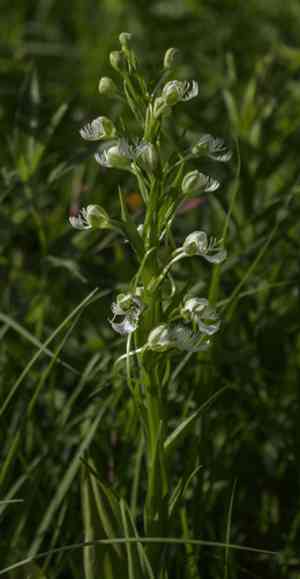
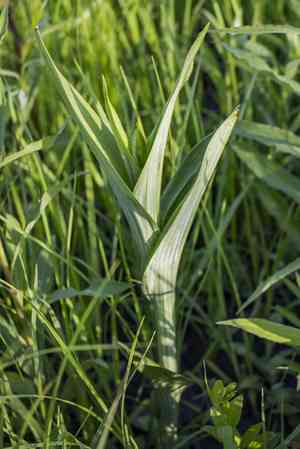
The prairie white fringed orchid thrives in moist habitats like prairies and sedge meadows. It features tall spikes adorned with creamy white flowers that emit a strong fragrance at night to attract pollinators. This perennial relies on mycorrhizal relationships for nutrient absorption. Its lance-shaped leaves and elongated nectar spurs are specifically adapted to draw in nocturnal moths, which play a crucial role in its pollination process.
In This Article
Attributes of Prairie white fringed orchid
Lifespan
Perennial
Plant Type
Herb
Plant Height
30-100 cm
Spread
N/A
Leaf Color
Green
Flower Size
Up to 5 cm
Flower Color
White Yellow Green
Images of Prairie white fringed orchid
Quickly Identify Prairie white fringed orchid
1
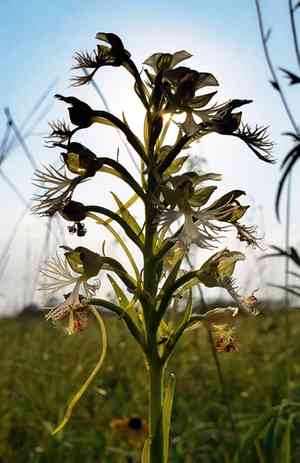
This plant can be identified by its tall, slender stature, and the distinctive fringed petals of its white flowers. The flowers are typically arranged in a loose spike at the top of a single stem.
Scientific Classification of Prairie white fringed orchid
Phylum
Vascular plants
Class
Monocotyledons
Order
Asparagales
Family
Orchid
Genus
Bog orchids
Species
Prairie white fringed orchid
Planting and Growing of Prairie white fringed orchid
Care Difficulty
Hard
Watering Schedule
Every 4 days
Sunlight Requirements
Partial sun
Sunshine Duration
4-8 hours
Ideal Temperature
65-75℉
Soil Type
Potting Mix, Peat Mix
Soil pH
6.5-7.5
Fertilizer Type
Balanced
Pruning Season
Spring, Summer
Pruning Area
Branches, Leaves
Pruning Frequency
2 times a year
Repotting Season
Spring
Pot Type
Plastic, Ceramic
 How to Water Prairie white fringed orchid?
For Platanthera leucophaea, also known as the Eastern Prairie Fringed Orchid, it’s crucial to maintain consistent soil moisture without overwatering. Aim for about 200 ml each time, ensuring that the water seeps into the soil rather gradually. It's important to let the soil slightly dry out between waterings, but never let it completely dry. This balance mimics its natural habitat conditions.
What are the symptoms of an underwatered Prairie white fringed orchid?
›
What should I do if my Prairie white fringed orchid is not getting enough water?
›
What are the symptoms of an overwatered Prairie white fringed orchid?
›
How to save an overwatered Prairie white fringed orchid?
›
 What Are the Sunlight Requirements for Prairie white fringed orchid?
Partial sun is ideal for Platanthera leucophaea. It ensures enough light exposure without overwhelming the plant, promoting balanced growth and maximizing flower production.
Optimal Sunlight Duration
›
Solution for Ideal Lighting
›
Benefits of Ideal Lighting
›
 What Is the Ideal Temperature Range for Prairie white fringed orchid?
For optimal growth, Platanthera leucophaea thrives within a temperature range of 65°F to 75°F. This range offers conditions similar to its native habitat during the growing season, providing warmth during the day and cooler temperatures at night that are conducive to its metabolic processes. Maintaining this range ensures the best growth rate and flowering potential.
 What Soil is Best for Prairie white fringed orchid?
Platanthera leucophaea thrives best in moist soils, which help provide it with a continuous supply of water essential for its growth. Consistent moisture supports its delicate root system, preventing dehydration and promoting robust flowering. While moisture is critical, ensuring proper drainage is equally important to avoid waterlogged conditions. Adequate drainage prevents root rot and fosters a conducive environment for nutrient absorption, leading to healthier plants. The plant prefers soils rich in organic matter, offering essential nutrients that support its growth cycle. A nutrient-dense environment boosts vitality, helping the plant develop lush foliage and vibrant blooms.
 How to Fertilize Prairie white fringed orchid?
When fertilizing Platanthera leucophaea, moderation is key. Use a dilute liquid fertilizer during the active growing months, applying only a quarter to half of the recommended strength for typical flowering plants. This ensures that nutrients are available but not excessive, allowing the plant to thrive without risk of nutrient overload.
 How to Prune Prairie white fringed orchid?
Begin by assessing the health and structure of your Platanthera leucophaea. Identify any dead or damaged stems and locate any overgrown or crowded areas. This will help you determine which parts of the plant need attention to encourage better air circulation and light penetration. With clean, sharp pruners, carefully cut away any dead or damaged stems at their base. Remove any parts showing signs of disease, ensuring a clean cut to reduce the risk of further infection. This process is essential for the plant’s health and supports its ability to focus energy on new, vigorous growth. To maintain the aesthetic appearance of your Platanthera leucophaea, lightly shape the plant by trimming back excessively long stems or those disrupting its natural form. Aim for a balanced and open structure to ensure optimal light distribution throughout the plant.
More About Pruning Techniques→
 How to Propagate Prairie white fringed orchid plant?
1
Begin by collecting mature seeds from the Platanthera leucophaea plant. Carefully inspect the seed pods for ripeness and gently extract the seeds without damaging them.
2
Fill the seed tray with a sterile potting mix, ensuring an even distribution. Moisten the mix slightly to provide an ideal germination environment.
3
Sow the seeds evenly on the surface of the potting mix. Do not cover them with additional soil, as light is necessary for the germination of these seeds.
 How to Repot Prairie white fringed orchid plant?
1
Platanthera leucophaea should be repotted when you notice signs such as overcrowding in the pot, diminished blooming, or roots growing out of drainage holes. Spring is an ideal time as the plant begins its growth cycle, allowing it to recuperate and establish well in the new pot.
2
Select a pot that is only slightly larger than the current one to avoid over-watering issues. A pot with ample drainage holes is essential for this orchid species to mimic its natural habitat, which helps prevent root rot and promotes healthy growth.
3
Opt for a well-draining orchid mix specifically designed for terrestrial orchids, as it allows the roots to breathe while providing enough support and nutrients. This soil mix retains the right amount of moisture and mimics the plant's natural environment.
Learn More About Prairie white fringed orchid Diseases
Anthracnose
Bacterial Leaf Spot
Bacterial Soft Rot
Bacterial Wilt
Chemical Injury
Crown Gall
Cyst Nematode
Damping-off
Downy Mildew
Drought Stress
Fusarium Wilt
Gray Mold
Leaf Curl
Leaf Spot
Mosaic
Nutrient Deficiency
Nutrient Toxicity
Powdery Mildew
Root Rot
Root-knot Nematode
Rusts
Sooty Mold
Spider Mites
Temperature Stress
Thrips Damage
White Mold



