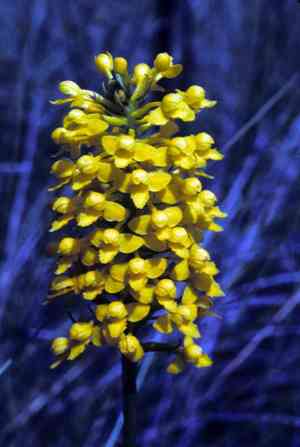
Yellow fringeless orchid (Platanthera integra)
Also known as: Yellow Fringeless Orchid, Yellow Rein Orchid
Despite its extensive range, Platanthera integra remains vulnerable chiefly due to its limited number of populations. The primary cause is habitat loss, particularly in open wet savannas and bogs. Factors such as land development, agriculture, and altered water tables contribute significantly to the destruction and fragmentation of these critical habitats. Additionally, competition from invasive species and the disruption of specific pollinator relationships further threaten its survival. Climate change also poses risks by altering habitat conditions, making them unsuitable for the orchid's growth and reproduction.
In This Article
Attributes of Yellow fringeless orchid
Lifespan
Perennial
Plant Type
Herb
Plant Height
45-60 cm
Spread
N/A
Leaf Color
Green
Flower Size
1.5-2 cm
Flower Color
Yellow
Images of Yellow fringeless orchid
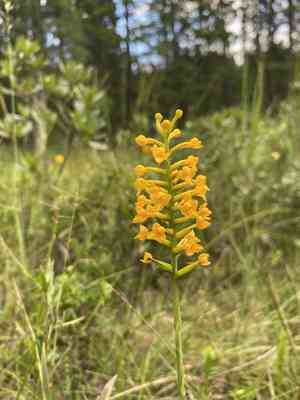
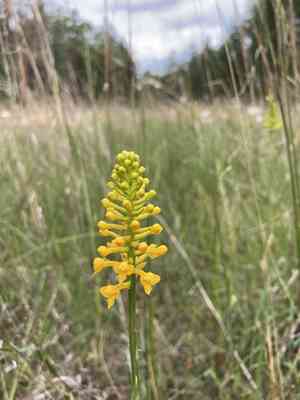
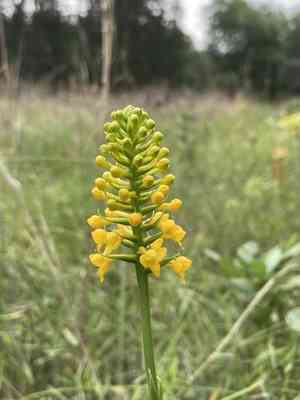
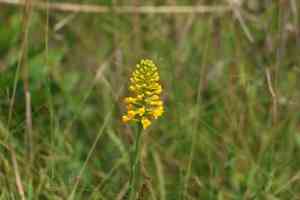
Quickly Identify Yellow fringeless orchid
1
Look for bright yellow flowers with a fringeless lip; the plant typically grows in moist, boggy soils often in open woodlands and meadows.
Scientific Classification of Yellow fringeless orchid
Phylum
Vascular plants
Class
Monocotyledons
Order
Asparagales
Family
Orchid
Genus
Bog orchids
Species
Yellow fringeless orchid
Planting and Growing of Yellow fringeless orchid
Care Difficulty
Hard
Watering Schedule
Every 2 days
Sunlight Requirements
Partial sun
Sunshine Duration
6-10 hours
Ideal Temperature
60-75℉
Soil Type
Potting Mix, Peat Mix
Soil pH
5.5-6.5
Fertilizer Type
Balanced
Pruning Season
Spring, Summer
Pruning Area
Branches, Leaves
Pruning Frequency
2 times a year
Repotting Season
Spring
Pot Type
Ceramic, Plastic
 How to Water Yellow fringeless orchid?
Platanthera integra requires a careful approach to watering. The key is to ensure the soil remains evenly moist without becoming waterlogged. Watering with about 200 ml each session is generally adequate to maintain the delicate balance. The ground should be moist to the touch but not soggy, resembling a well-wrung sponge. This ensures the plant receives enough moisture to support its growth, especially during the growing season.
What are the symptoms of an underwatered Yellow fringeless orchid?
›
What should I do if my Yellow fringeless orchid is not getting enough water?
›
What are the symptoms of an overwatered Yellow fringeless orchid?
›
How to save an overwatered Yellow fringeless orchid?
›
 What Are the Sunlight Requirements for Yellow fringeless orchid?
Partial sunlight is ideal for Platanthera integra, promoting health and vigor. This gentle exposure aids in photosynthesis, leading to vigorous growth and resistance to pests or diseases.
Optimal Light Intensity
›
Solutions for Ideal Lighting
›
Benefits of Ideal Lighting
›
 What Is the Ideal Temperature Range for Yellow fringeless orchid?
While cultivating Platanthera integra, maintaining an ideal temperature between 60°F and 75°F ensures healthy growth. This range supports optimal metabolic activity and photosynthesis.
 What Soil is Best for Yellow fringeless orchid?
Platanthera integra prefers soil that retains moisture well without becoming waterlogged. This aids in providing a consistent water supply, essential for its growth during dry spells, helping the plant maintain turgidity and nutrient uptake. Nutrient-rich soil is crucial for Platanthera integra, as it ensures access to a variety of essential minerals and nutrients. A well-fertilized base will promote strong roots and vibrant blooms, mirroring its natural habitat conditions. A well-drained substrate prevents waterlogging, which can lead to root rot. Ensuring proper drainage mimics the plant's natural sandy wetlands habitat, allowing for healthy root development and reducing the risk of fungal infections.
 How to Fertilize Yellow fringeless orchid?
Platanthera integra, also known as yellow fringeless orchid, requires careful fertilization to thrive. Use a balanced liquid fertilizer diluted to half strength. Apply about 1/4 cup per application to avoid nutrient burn and ensure steady growth.
 How to Prune Yellow fringeless orchid?
When you identify dead or yellowing leaves, it's important to remove them completely. Cut them as close to the base as possible to avoid leaving stubs that can harbor disease and pests, which can weaken the plant over time. Guard against removing too many leaves at once, as this could reduce the plant's ability to photosynthesize efficiently. Maintaining a balance ensures that the plant can still capture ample sunlight for its metabolic needs, even after pruning.
More About Pruning Techniques→
 How to Propagate Yellow fringeless orchid plant?
1
Collect mature seeds from established Platanthera integra plants. Before sowing, clean the seeds thoroughly and store them in a cool, dry place until you are ready to plant. To enhance germination, some growers recommend a cold stratification process.
2
Fill potting trays with the sterile growing medium. Sow the seeds thinly on the surface, as orchid seeds require light to germinate. Ensure even distribution to prevent overcrowding and lightly water to moisten the medium without burying the seeds.
3
After sowing, cover the trays with a transparent lid or plastic wrap to maintain humidity. Place the trays in a warm spot with indirect light. Regularly check moisture levels and avoid direct sunlight, which can overheat and dry out the seeds.
 How to Repot Yellow fringeless orchid plant?
1
Platanthera integra needs repotting when you notice roots pushing out of the pot or when flowering decreases. It's a clear indication that your plant requires more space. Overcrowded roots can stunt plant growth, signaling it's time for a fresh start.
2
Select a pot that's one size larger than the current one with good drainage holes. A breathable clay pot is ideal as it prevents waterlogging, which can cause root rot. Ensuring adequate drainage is crucial for healthy root development and prevents fungal issues.
3
Use a well-draining orchid mix enriched with organic matter. This type of soil ensures adequate airflow around the roots and retains necessary moisture without becoming soggy. The right soil mix is essential for supporting the plant's natural growth and blooming cycle.
Learn More About Yellow fringeless orchid Diseases
Anthracnose
Bacterial Leaf Spot
Bacterial Soft Rot
Bacterial Wilt
Crown Gall
Cyst Nematode
Damping-off
Downy Mildew
Drought Stress
Fusarium Wilt
Gray Mold
Leaf Spot
Mosaic
Nutrient Deficiency
Nutrient Toxicity
Powdery Mildew
Root Rot
Root-knot Nematode
Rusts
Sooty Mold
Spider Mites
Temperature Stress
Thrips Damage
White Mold



