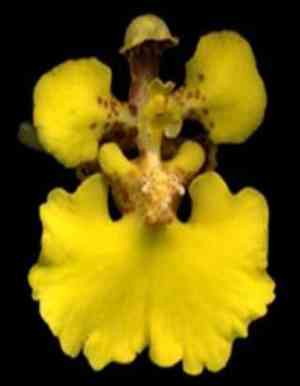
Small green wood orchid (Platanthera clavellata)
Also known as: Club-spur orchid
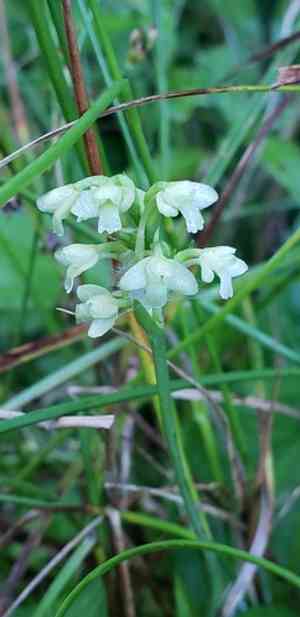
The **Small Green Wood Orchid** (Platanthera clavellata) is one of the most widespread orchids and thrives in damp environments. Its small, white flowers are not very attractive to gardeners, so it is rarely used as an ornamental plant. A notable feature of this orchid is its long nectar spurs, which help distinguish it from other similar species.
In This Article
Attributes of Small green wood orchid
Lifespan
Perennial
Plant Type
Herb
Plant Height
10 cm to 30 cm
Spread
Not applicable
Leaf Color
Green
Flower Size
2.5 cm
Flower Color
White Yellow Green Cream
Images of Small green wood orchid
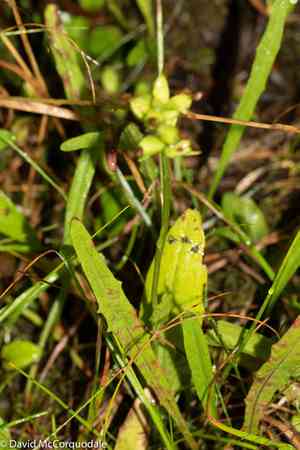
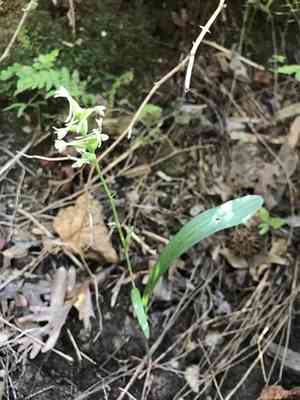
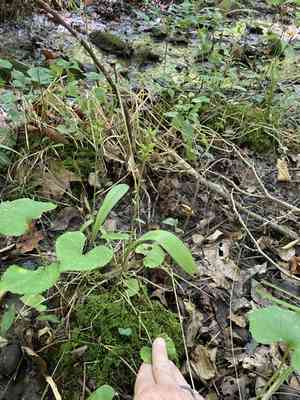
Quickly Identify Small green wood orchid
1
The Small Green Wood Orchid can be identified by its long, narrow leaves and small, greenish-yellow flowers. The flowers are often sparsely arranged along a slender spike.
Scientific Classification of Small green wood orchid
Phylum
Vascular plants
Class
Monocotyledons
Order
Asparagales
Family
Orchid
Genus
Bog orchids
Species
Small green wood orchid
Planting and Growing of Small green wood orchid
Care Difficulty
Moderate
Watering Schedule
Every 4 days
Sunlight Requirements
Partial sun
Sunshine Duration
6-10 hours
Ideal Temperature
65-75℉
Soil Type
Potting Mix, Peat Mix
Soil pH
4.5-6.5
Fertilizer Type
Balanced
Pruning Season
Spring, Summer
Pruning Area
Branches, Leaves
Pruning Frequency
2 times a year
Repotting Season
Spring
Pot Type
Plastic, Ceramic
 How to Water Small green wood orchid?
Platanthera clavellata prefers consistent moisture, adhering to the principle of keeping the soil evenly damp but not waterlogged. You should water until 250ml drains evenly through the pot without pooling, ensuring the substrate remains supportive of healthy root growth without stagnation.
What are the symptoms of an underwatered Small green wood orchid?
›
What should I do if my Small green wood orchid is not getting enough water?
›
What are the symptoms of an overwatered Small green wood orchid?
›
How to save an overwatered Small green wood orchid?
›
 What Are the Sunlight Requirements for Small green wood orchid?
Platanthera clavellata prefers light similar to dappled forest settings, ensuring at least a few hours of gentle sunlight. This facilitates robust flowering and healthy plant growth.
More About Sunlight Requirements Techniques→
What is the ideal light condition?
›
How to achieve ideal light conditions?
›
What are the benefits of ideal light conditions?
›
 What Is the Ideal Temperature Range for Small green wood orchid?
Platanthera clavellata thrives best in a temperature range between 65°F and 75°F. Maintaining this range helps ensure optimal growth and flowering, as the plant's metabolic processes function efficiently. Providing stable conditions with minimal fluctuation is vital for sustaining its delicate root systems and ensuring healthy leaf development.
 What Soil is Best for Small green wood orchid?
Platanthera clavellata thrives in moisture-retentive soil that mimics its natural wetland habitats. Keeping the soil consistently moist but not waterlogged ensures the plant remains hydrated, crucial for its growth and flowering. Rich organic content provides essential nutrients for Platanthera clavellata, promoting healthy foliage and vibrant blooms. Compost or well-rotted leaf litter can enhance the soil's fertility, encouraging robust plant development. Good aeration in the soil allows roots to access oxygen more readily, vital for their development. This reduces the risk of root rot, ensuring the long-term health and vitality of Platanthera clavellata.
 How to Fertilize Small green wood orchid?
For Platanthera clavellata, use a balanced fertilizer diluted to half-strength. Apply approximately 1/4 teaspoon per gallon of water for liquid fertilizers. Ensure that the soil is moist before application to avoid root burn.
 How to Prune Small green wood orchid?
Start by identifying any dead or damaged leaves and stems, as they divert resources from healthy growth. Use a pair of sterilized pruning shears to trim these parts back to the base. Always make clean cuts to avoid infections and promote quick healing. To encourage more blooms, focus on removing spent flower spikes. Trace the spent spike down to the base and make a clean cut. This not only tidies the plant but also directs energy to new growth, enhancing its overall appearance.
More About Pruning Techniques→
 How to Propagate Small green wood orchid plant?
1
Collect seeds from mature Platanthera clavellata plants when the seed capsules split open naturally. Carefully shake the seeds into a paper envelope to dry and store them until propagation.
2
Fill sterile containers with an appropriate orchid potting mix. Place the seeds on the soil surface without covering them, as they require light for germination. Mist with water to ensure moisture.
3
Cover the container with a plastic lid or wrap to maintain high humidity. Place the container in a warm, indirect light area to mimic the native habitat conditions.
 How to Repot Small green wood orchid plant?
1
Platanthera clavellata signals the need for repotting when its roots start to grow out of the pot's drainage holes, or when the plant appears stunted in growth despite proper care. Spring or early summer are ideal times for repotting, as the plant will be in its active growth phase, allowing it to establish well in a new pot.
2
Select a pot that is slightly larger than the current one, with ample drainage holes to prevent root rot. A pot too large can lead to overwatering issues, so a snug fit encourages healthy, manageable growth and discourages soggy soil conditions.
3
Opt for a soil mix that retains moisture but drains well, such as a bark-based orchid mix. This type of soil mimics the plant’s natural growing conditions, preventing water from pooling around the roots while ensuring they remain adequately hydrated.
Learn More About Small green wood orchid Diseases
Anthracnose
Bacterial Leaf Spot
Bacterial Soft Rot
Bacterial Wilt
Chemical Injury
Crown Gall
Cyst Nematode
Damping-off
Downy Mildew
Drought Stress
Fusarium Wilt
Gray Mold
Leaf Curl
Leaf Spot
Mosaic
Nutrient Deficiency
Nutrient Toxicity
Powdery Mildew
Root Rot
Root-knot Nematode
Rusts
Sooty Mold
Spider Mites
Temperature Stress
Thrips Damage
White Mold



