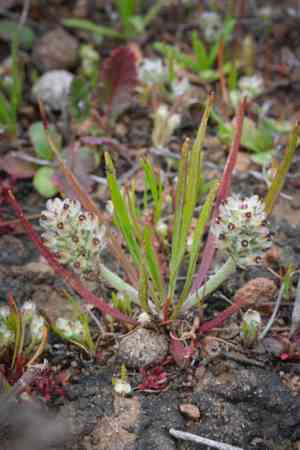
Dot-seed plantain (Plantago erecta)
Also known as: California plantain
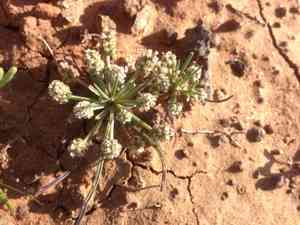
Plantago erecta, a member of the plantain family, goes by several names including California plantain, foothill plantain, dot-seed plantain, English plantain, and dwarf plantain. This modest annual herb features needle-like leaves and clusters of translucent flowers along its stalk.
In This Article
Attributes of Dot-seed plantain
Lifespan
Perennial
Plant Type
Herb
Plant Height
Up to 15 centimeters
Spread
Not applicable for this type of plant
Leaf Color
Green
Flower Size
Small (exact size varies)
Flower Color
White to pale yellow
Images of Dot-seed plantain
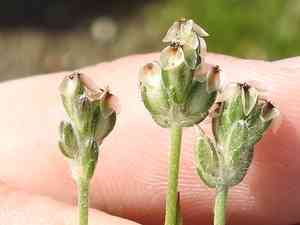
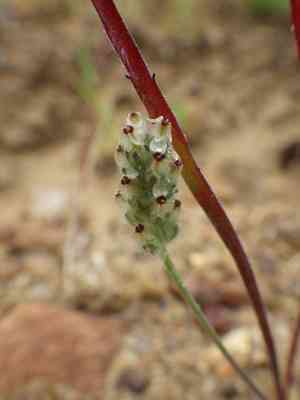
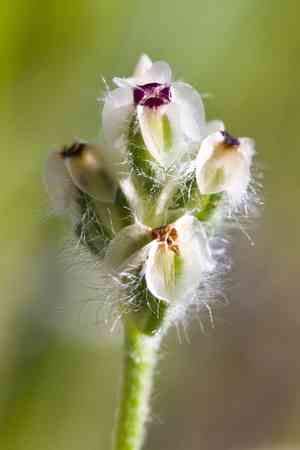
Quickly Identify Dot-seed plantain
1
To identify Plantago erecta, look for a small, erect, herbaceous plant with linear or threadlike leaves that are concentrated at the base and are coated in fine hairs. The plant typically grows up to 15 centimeters in height and has green to purple stems.
Scientific Classification of Dot-seed plantain
Phylum
Vascular plants
Class
Dicotyledons
Order
Lamiales
Family
Plantain
Genus
Plantains
Species
Dot-seed plantain
Planting and Growing of Dot-seed plantain
Care Difficulty
Moderate
Watering Schedule
Every 2 days
Sunlight Requirements
Full sun
Sunshine Duration
4-8 hours
Ideal Temperature
60-77℉
Soil Type
Potting Mix, Peat Mix
Soil pH
6.5-7.5
Fertilizer Type
Balanced
Pruning Season
Spring, Summer
Pruning Area
Branches, Leaves
Pruning Frequency
2 times a year
Repotting Season
Spring
Pot Type
Plastic, Ceramic
 How to Water Dot-seed plantain?
Plantago erecta requires just enough water to keep the soil slightly moist without letting it become soggy. Providing about 100 ml of water per session should suffice, allowing the soil to almost dry out between each watering. This helps mimic its natural habitat where the plant thrives.
What are the symptoms of an underwatered Dot-seed plantain?
›
What should I do if my Dot-seed plantain is not getting enough water?
›
What are the symptoms of an overwatered Dot-seed plantain?
›
How to save an overwatered Dot-seed plantain?
›
 What Are the Sunlight Requirements for Dot-seed plantain?
Plantago erecta excels in full sun conditions, gaining ample light which promotes strong growth and abundant flowering. Ideal sunlight exposure ensures lush foliage and maximizes its decorative appeal.
What is the best lighting environment for Plantago erecta?
›
How can you achieve ideal lighting conditions for Plantago erecta?
›
What are the benefits of providing Plantago erecta with adequate sunlight?
›
 What Is the Ideal Temperature Range for Dot-seed plantain?
The optimal temperature range for the growth of Plantago erecta is between 60°F and 77°F. Within this range, the plant shows vigorous growth, improved flower production, and overall healthier foliage. Consistent exposure to these temperatures aids in maximizing photosynthetic efficiency and nutrient absorption.
 What Soil is Best for Dot-seed plantain?
Plantago erecta thrives in well-drained soils, which prevent root rot and other water-related diseases. The drainage allows the plant's roots to access air, promoting healthy growth and sturdy development. While not extremely demanding, slightly fertile soil helps support the plant's development. This provides essential nutrients for growth and resilience, resulting in lush foliage and plentiful flowering. Sandy textures provide optimal conditions, allowing roots to penetrate easily while maintaining moisture levels. This texture also supports the plant's natural tendencies, offering an environment akin to its native habitat.
 How to Fertilize Dot-seed plantain?
For Plantago erecta, it's important to use light amounts of fertilizer. Use approximately 1/4 strength of a balanced liquid fertilizer when applying monthly, and avoid heavy applications to prevent root damage.
 How to Prune Dot-seed plantain?
Start by examining the plant for any dead, diseased, or damaged foliage, and remove these parts first. Cut back any overly long stems to encourage a more compact shape. Make cuts just above a leaf node to ensure regrowth. Regularly prune back leggy or sparse growth to encourage a fuller appearance.
More About Pruning Techniques→
 How to Propagate Dot-seed plantain plant?
1
Begin by collecting mature seeds from existing Plantago erecta plants. Ensure they are dry and free of any debris before planting. Clean seeds will have a higher chance of germination and disease resistance.
2
Place the seeds evenly on the seed tray filled with a thin layer of potting soil. Cover them lightly with more soil, ensuring they are not buried too deep to allow proper germination and air circulation.
3
Gently water the seeds using the watering can with a fine rose. Ensure the soil is moist but not waterlogged to prevent seed rot. This step is crucial in promoting successful germination by maintaining the right soil moisture level.
 How to Repot Dot-seed plantain plant?
1
Keep an eye out for roots growing out of drainage holes or a visible compaction of soil. These signs mean Plantago erecta has outgrown its current home and needs a bigger space to thrive.
2
Select a pot 1-2 inches larger in diameter than the current one to give the roots room to expand. Opt for pots with ample drainage to prevent waterlogging, which can lead to root rot.
3
A well-draining sandy mix replicates its natural habitat while ensuring excess moisture doesn't lead to poor root health. This composition keeps the roots aerated and provides essential nutrients.



