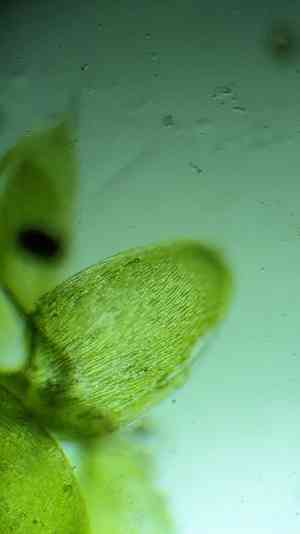
Plagiothecium moss (Plagiothecium laetum)
Also known as: None
Plagiothecium moss is a lush, carpet-like moss known for its ability to blanket the forest floor and cling to shaded rock surfaces. It features flat, soft, and often glossy leaves that curve gently, creating an elegant, flowing look. This moss flourishes in damp, cool conditions, contributing to the rich undergrowth in woodland areas and playing a role in maintaining soil moisture.
In This Article
Attributes of Plagiothecium moss
Lifespan
Perennial
Plant Height
Typically less than 5 cm
Spread
Not applicable for this moss species
Leaf Color
Bright green
Flower Size
Not applicable, mosses do not produce flowers
Flower Color
Not applicable, mosses do not produce flowers
Images of Plagiothecium moss
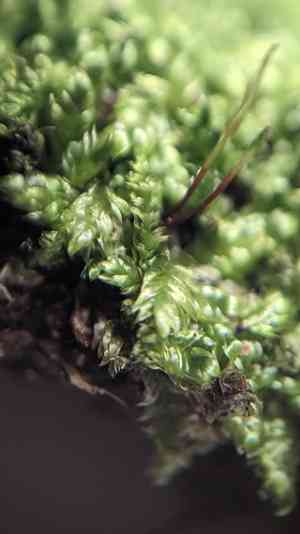
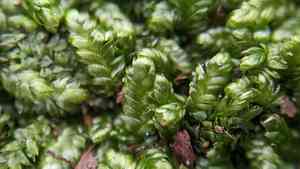
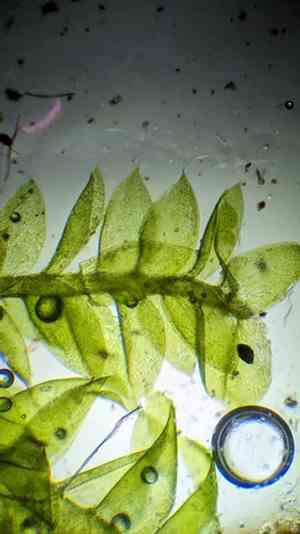
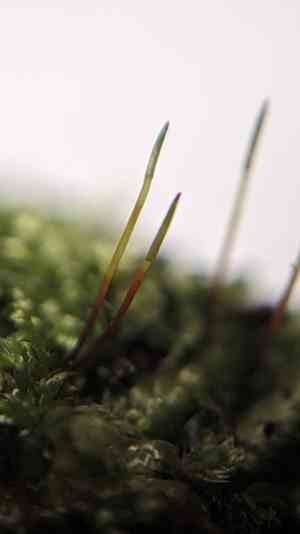
Quickly Identify Plagiothecium moss
1
Plagiothecium laetum can be identified by its bright green, glossy appearance and its tendency to form dense mats. The leaves are elongate-lanceolate and are arranged in a distinctive twisted manner.
Scientific Classification of Plagiothecium moss
Phylum
Bryophyta
Class
Bryopsida
Order
Hypnales
Family
Plagiotheciaceae
Genus
Plagiothecium
Planting and Growing of Plagiothecium moss
Care Difficulty
Moderate
Watering Schedule
Every 2 days
Sunlight Requirements
Partial sun
Sunshine Duration
4-6 hours
Ideal Temperature
59-68℉
Soil Type
Potting Mix, Peat Mix
Soil pH
5.5-6.5
Fertilizer Type
Balanced
Pruning Season
Spring, Summer
Pruning Area
Branches, Leaves
Pruning Frequency
2 times a year
Repotting Season
Spring
Pot Type
Plastic, Ceramic
 How to Water Plagiothecium moss?
Plagiothecium laetum requires a careful watering approach. It's essential to moisten its medium evenly without causing water to pool at the bottom. Aim for about 150 ml per watering session to ensure the soil remains damp but not waterlogged. The principle is to mimic its natural moist habitat while avoiding root rot.
What are the symptoms of an underwatered Plagiothecium moss?
›
What should I do if my Plagiothecium moss is not getting enough water?
›
What are the symptoms of an overwatered Plagiothecium moss?
›
How to save an overwatered Plagiothecium moss?
›
 What Are the Sunlight Requirements for Plagiothecium moss?
Plagiothecium laetum ideally needs partial sunlight or full shade, mimicking its natural woodland habitat, promoting robust health and vivid green growth.
What is the best light intensity for Plagiothecium laetum?
›
How to achieve ideal lighting for Plagiothecium laetum indoors?
›
What are the benefits of optimal lighting for Plagiothecium laetum?
›
 What Is the Ideal Temperature Range for Plagiothecium moss?
Plagiothecium laetum thrives in a controlled temperature range which ensures its optimal growth. An environment maintaining temperatures between 59°F and 68°F is ideal. This range facilitates effective photosynthesis and ensures the moss maintains its lush green appearance.
 What Soil is Best for Plagiothecium moss?
Plagiothecium laetum thrives in soils that can retain moisture without becoming waterlogged. This aids in maintaining humidity around the plant, essential for its well-being. This plant benefits from nutrient-rich substrates that promote vigorous growth. Adequate nutrition in the soil supports lush foliage and robust overall plant health. While moisture retention is important, the soil should also offer good drainage to prevent root rot. Ensuring proper drainage keeps the roots healthy, enabling optimal nutrient absorption.
 How to Fertilize Plagiothecium moss?
For Plagiothecium laetum, it is important to provide a balanced amount of fertilizer. When using liquid fertilizer, a dilution ratio of approximately 1/4th the recommended strength is ideal. For slow-release fertilizers, applying about 1-2 tablespoons per square foot around the base will suffice without overwhelming the plant.
 How to Prune Plagiothecium moss?
To prune Plagiothecium laetum, start by using sharp, sterilized scissors or pruning shears. Remove any dead, damaged, or diseased foliage that you notice. Trim gently along the edges to maintain its shape, being careful not to cut more than a third of its total mass at a single time. This will ensure the moss remains healthy and encourages new, lush growth.
More About Pruning Techniques→
 How to Propagate Plagiothecium moss plant?
1
Choose a healthy, mature plant for division, as this will ensure that the new divisions have the best chance for successful establishment.
2
Carefully dig around the base of the plant with a spade and lift it out, ensuring the root system remains intact to promote successful re-establishment.
3
Use pruning shears to divide the root ball into sections. Each section should have a good amount of roots and a few stems or leaves for optimal growth.
 How to Repot Plagiothecium moss plant?
1
It's time to repot Plagiothecium laetum when growth appears stunted or roots start to emerge from the drainage holes. Look for crowded roots, yellowing leaves, or compacted soil as additional signs. Spring or summer are the ideal seasons, as the plant is actively growing and can recover more quickly from the stress of repotting.
2
Select a pot that is slightly bigger than the current one but provides adequate drainage. A well-drained pot prevents root rot and allows excess water to escape. Opt for a shallow pot since Plagiothecium laetum prefers growing more horizontally. Using a pot made of breathable material, like terracotta, can help maintain optimal moisture levels.
3
Plagiothecium laetum thrives in a soil mix that is both moist and well-draining. A mixture of peat moss, perlite, and pine bark works well. This soil retains necessary moisture while preventing waterlogging, mimicking its natural habitat and promoting healthy root growth.


