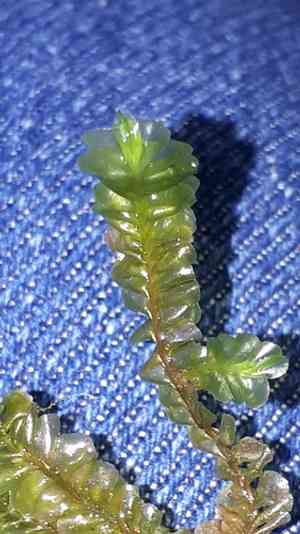
Spleenwort scale moss (Plagiochila asplenioides)
Also known as: none
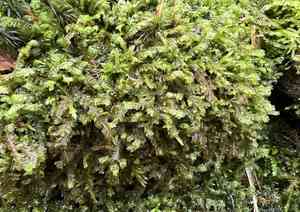
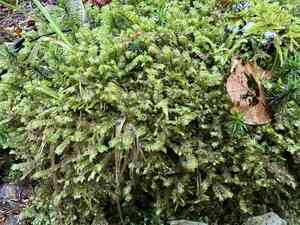
Spleenwort scale moss, a type of liverwort, thrives in humid and shaded environments. It has a creeping growth pattern and typically forms dense, green mats on tree bark, rocks, and forest floors. The moss's overlapping leaves give it a unique, fern-like appearance, reminiscent of asplenium ferns. This evergreen plant prefers consistently moist habitats, indicating a healthy and damp ecosystem.
In This Article
Attributes of Spleenwort scale moss
Lifespan
Perennial
Plant Type
Moss
Plant Height
Up to 10 cm
Spread
n/a
Leaf Color
Green
Flower Size
n/a
Flower Color
n/a
Images of Spleenwort scale moss
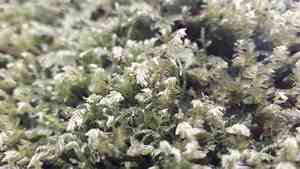
Quickly Identify Spleenwort scale moss
1
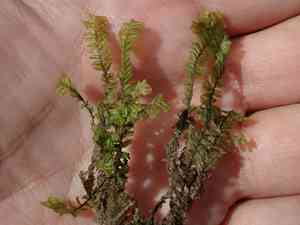
To identify Plagiochila asplenioides, look for its bifacial leaves with serrated edges and a shiny green appearance. It typically forms dense mats on the forest floor, especially in humid areas.
Scientific Classification of Spleenwort scale moss
Phylum
Hepatics
Class
Leafy liverworts
Order
Jungermanniales
Family
Plagiochilaceae
Genus
Plagiochila
Species
Spleenwort scale moss
Planting and Growing of Spleenwort scale moss
Care Difficulty
Hard
Watering Schedule
Every 2 days
Sunlight Requirements
Partial sun
Sunshine Duration
10-12 hours
Ideal Temperature
60-75℉
Soil Type
Potting Mix, Peat Mix
Soil pH
5.5-6.5
Fertilizer Type
Balanced
Pruning Season
Spring, Summer
Pruning Area
Branches, Leaves
Pruning Frequency
2 times a year
Repotting Season
Spring
Pot Type
Plastic, Ceramic
 How to Water Spleenwort scale moss?
For Plagiochila asplenioides, ensure the soil is moist but not waterlogged. Ideally, the soil should feel damp to the touch, but excess water should not be pooling at the base of the container. Maintain consistent moisture by watering thoroughly, ensuring even distribution around the plant roots, approximately 100 milliliters each time.
What are the symptoms of an underwatered Spleenwort scale moss?
›
What should I do if my Spleenwort scale moss is not getting enough water?
›
What are the symptoms of an overwatered Spleenwort scale moss?
›
How to save an overwatered Spleenwort scale moss?
›
 What Are the Sunlight Requirements for Spleenwort scale moss?
Plagiochila asplenioides prospers in partial sun or full shade, simulating its forest floor origins under tree canopies. This range helps maintain moisture and prevents excessive drought or burning from direct sunlight exposure while promoting healthy development.
What kind of light does Plagiochila asplenioides need?
›
How can you provide ideal light conditions for Plagiochila asplenioides?
›
What are the benefits of ideal lighting for Plagiochila asplenioides?
›
 What Is the Ideal Temperature Range for Spleenwort scale moss?
The ideal temperature range for cultivating Plagiochila asplenioides is between 60°F and 75°F. This range ensures optimal growth and health of the plant by maintaining the metabolic activities at an efficient rate and assisting in photosynthesis.
 What Soil is Best for Spleenwort scale moss?
Plagiochila asplenioides thrives in soil that retains moisture without becoming waterlogged. This ensures a consistent water supply, crucial for the plant's lush foliage development. The plant demands soil rich in organic material, which provides essential nutrients and creates an ideal environment for root growth and microorganism activity. Despite its need for humidity, it is important that the soil drains well to prevent root rot. Aerated substrates enable proper drainage while maintaining humidity around the roots.
 How to Fertilize Spleenwort scale moss?
Plagiochila asplenioides, being a bryophyte, typically requires minimal fertilization. A diluted liquid fertilizer applied at half-strength is recommended to avoid nutrient burn. Avoid over-fertilizing to prevent negative impacts on growth and health.
 How to Prune Spleenwort scale moss?
Start by examining your Plagiochila asplenioides for any dead or discolored leaves, which should be your first targets for removal. Use sterilized scissors or a knife to make clean cuts close to the base of the leaf. Avoid tearing the plant tissue, as this can create entry points for disease. Always aim to preserve the natural shape of the plant to maintain its aesthetic value. In addition to removing dead leaves, consider thinning out dense clusters of growth. This promotes better light penetration and airflow, encouraging healthier overall plant development. When thinning, select overlapping or excessively crowded shoots and prune them back to their origin point. This selective approach helps maintain a natural appearance while optimizing the plant's health.
 How to Propagate Spleenwort scale moss plant?
1
Begin by watering the plant a day or so before division to ensure it is hydrated and less stressed. Choose a healthy parent plant with strong growth for successful propagation.
2
Using your tools, carefully remove the plant from its pot or the ground. Gently shake off excess soil to expose the roots and divide the plant into smaller sections, each with healthy roots attached.
3
Plant each division into its new pot or a prepared spot in the garden. Make sure to plant at the same depth as the original plant, and water thoroughly to settle the soil around the roots.
 How to Repot Spleenwort scale moss plant?
1
Repot Plagiochila asplenioides when you notice signs of restricted growth like stunted or yellowing leaves. These are indicators that the plant is root-bound or the soil is exhausted. Spring or early summer, when growth is active, is the best time for repotting, allowing the plant to recover quickly.
2
Select a pot that is slightly larger than the current one, providing adequate room for root expansion without overwhelming the plant. Ensure the pot has sufficient drainage holes to prevent waterlogging, which could lead to root rot. This promotes healthy root aeration and robust growth.
3
Choose a well-draining, peat-based potting mix to mimic the plant's natural habitat. This type of soil retains necessary moisture but allows excess water to drain away, preventing root rot. It supports healthy growth by maintaining an optimal moisture level.

