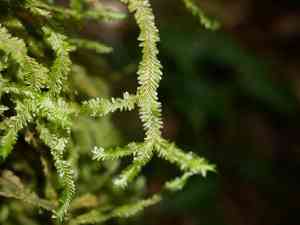
Plagiochila arbuscula (Plagiochila arbuscula)
Also known as: Arborescent Plagiochila, Tree-like liverwort
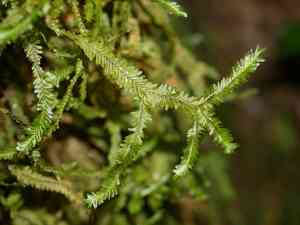
Plagiochila arbuscula is a type of liverwort, belonging to the leafy variety. It grows as a small shrub-like organism with flattened, branching stems that give it a delicate, feathery appearance. Its green, scale-like leaves overlap tightly along the stem, in two distinct rows. Thriving in damp, shaded habitats, plagiochila arbuscula forms dense carpets on the forest floor or on the trunks of trees, indicating healthy, moist ecosystems and stable microclimates.
In This Article
Attributes of Plagiochila arbuscula
Lifespan
Perennial
Plant Type
Moss
Plant Height
Up to 10 cm
Spread
N/A
Leaf Color
Green
Flower Size
N/A
Flower Color
N/A
Images of Plagiochila arbuscula
Quickly Identify Plagiochila arbuscula
1
Plagiochila arbuscula can be identified by its tree-like structure with multi-branched stems and overlapping, curved leaves. The leaves are asymmetrical, with one side being larger than the other.
Scientific Classification of Plagiochila arbuscula
Phylum
Hepatics
Class
Leafy liverworts
Order
Jungermanniales
Family
Plagiochilaceae
Genus
Plagiochila
Species
Plagiochila arbuscula
Planting and Growing of Plagiochila arbuscula
Care Difficulty
Hard
Watering Schedule
Every 2 days
Sunlight Requirements
Full shade
Sunshine Duration
4-6 hours
Ideal Temperature
60-75℉
Soil Type
Potting Mix, Peat Mix
Soil pH
5.5-6.5
Fertilizer Type
Balanced
Pruning Season
Spring, Summer
Pruning Area
Branches, Leaves
Pruning Frequency
2 times a year
Repotting Season
Spring
Pot Type
Plastic, Ceramic
 How to Water Plagiochila arbuscula?
For Plagiochila arbuscula, each watering should provide around 150 milliliters of water. This quantity ensures the moss-like plant gets enough moisture without waterlogging its roots. Water should barely reach the drainage layer at the bottom of its container, ensuring that the soil is moist but not soggy. The goal is to mimic the plant's natural habitat, keeping it moist and cool.
What are the symptoms of an underwatered Plagiochila arbuscula?
›
What should I do if my Plagiochila arbuscula is not getting enough water?
›
What are the symptoms of an overwatered Plagiochila arbuscula?
›
How to save an overwatered Plagiochila arbuscula?
›
 What Are the Sunlight Requirements for Plagiochila arbuscula?
Plagiochila arbuscula thrives in conditions with partial sun or full shade, favoring an environment that limits direct sun exposure. This ideal range fosters steady growth and minimizes stress-induced damage, promoting lush, healthy foliage.
How much light is ideal for Plagiochila arbuscula?
›
What solutions can you employ for ideal lighting?
›
What benefits result from ideal lighting?
›
 What Is the Ideal Temperature Range for Plagiochila arbuscula?
For optimal growth, Plagiochila arbuscula thrives in environments where the temperature ranges between 60°F and 75°F. Within this temperature range, the plant can photosynthesize efficiently, absorb nutrients effectively, and maintain necessary physiological processes. Maintaining this ideal range helps prevent stress and encourages robust growth.
 What Soil is Best for Plagiochila arbuscula?
Plagiochila arbuscula thrives in soil that retains moisture well. This is essential for maintaining the moss-like texture and lush appearance of the plant. Moisture prevents dryness and keeps the plant thriving in its natural habitat. Rich organic matter in the soil is crucial for Plagiochila arbuscula. It provides the nutrients necessary for healthy growth and mimics the forest floor conditions where this plant naturally grows. While the soil must retain moisture, adequate drainage is equally important. It prevents waterlogging, which can lead to root rot, ensuring a balanced environment for the plant's roots.
 How to Fertilize Plagiochila arbuscula?
For Plagiochila arbuscula, ensure you're using a dilute fertilizer solution. Use no more than half the recommended amount on the product label, as over-fertilization is a common risk with liverworts and can lead to root burn and other plant stress symptoms.
 How to Prune Plagiochila arbuscula?
Begin by meticulously inspecting your Plagiochila arbuscula for any signs of distress, such as wilting or discoloration. This will help you identify parts of the plant that may require pruning to promote overall health. Start by removing any dead or damaged parts of the plant, snipping them away close to the base. Follow up by trimming back unruly or excessively long shoots, focusing on maintaining a natural and appealing shape. Make clean cuts to minimize damage. After pruning, provide adequate water and light to help your Plagiochila arbuscula recover swiftly. Monitor the plant over the following weeks for any adverse reactions and make necessary adjustments to its care.
 How to Propagate Plagiochila arbuscula plant?
1
Firstly, fill the seed tray with a damp potting mix. Sow the seeds evenly on the surface, pressing them gently into the soil. Cover them lightly with a thin layer of soil or vermiculite, as the seeds need some light to germinate.
2
Mist the soil lightly to prevent disturbance of the seeds. Cover the tray with a clear plastic cover or a sheet of glass to retain humidity, but ensure some airflow to prevent mold growth.
3
Place the seed tray in a warm location with indirect sunlight. Maintain a consistent temperature around 18-22°C (64-72°F) for optimal germination. Use a heating mat if necessary.
 How to Repot Plagiochila arbuscula plant?
1
Plagiochila arbuscula, a beautiful leafy liverwort, signals readiness for repotting when new growth becomes restricted, or the plant seems crowded. Especially observe in early spring and late summer, as these periods foster excellent growth adaptation post-repotting.
2
Select a shallow, wide pot to mimic its natural spreading growth habit. Ensure it has good drainage, as this prevents water stagnation, which is crucial to maintaining the plant's health. This setup allows the roots to spread comfortably and supports optimal growth.
3
Choose a loosely packed, organic-rich substrate for repotting Plagiochila arbuscula. This type of soil improves moisture retention while allowing good airflow, crucial for avoiding the root rot that can threaten the plant's delicate roots. This balance encourages healthy growth.

