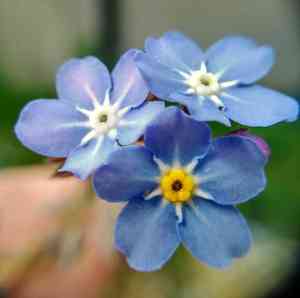
Bracted popcornflower (Plagiobothrys bracteatus)
Also known as: None
Bracted popcornflower (Plagiobothrys bracteatus) is characterized by its small white flowers that cluster at the ends of delicate stems. This plant is particularly adapted to moist environments, flourishing in seasonally wet areas like vernal pools and damp meadows. Its bristly seed pods facilitate effective wind dispersal, helping it spread across suitable habitats. The plant's adaptability to saturated soils and its variable height, which depends on soil fertility, further contribute to its success in its natural habitat.
In This Article
Attributes of Bracted popcornflower
Lifespan
Annual
Plant Type
Herb
Plant Height
Approximately 10 to 50 centimeters
Spread
Not applicable
Leaf Color
Green
Flower Size
Approximately 0.2 to 0.4 centimeters
Flower Color
White
Images of Bracted popcornflower
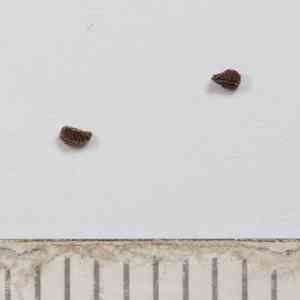
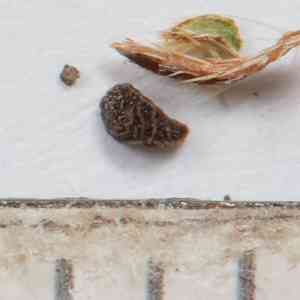
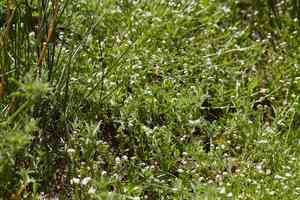
Quickly Identify Bracted popcornflower
1
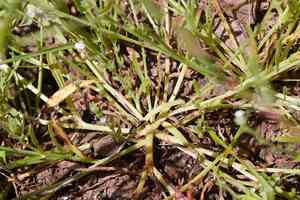
Plagiobothrys bracteatus can be identified by its small white flowers, bracts below the flowers, and hairy stems and leaves. Leaves are alternately arranged and narrow.
Scientific Classification of Bracted popcornflower
Phylum
Vascular plants
Class
Dicotyledons
Order
Boraginales
Family
Borage
Genus
Popcorn flower
Species
Bracted popcornflower
Planting and Growing of Bracted popcornflower
Care Difficulty
Moderate
Watering Schedule
Every 2 days
Sunlight Requirements
Partial sun
Sunshine Duration
6-10 hours
Ideal Temperature
60-75℉
Soil Type
Potting Mix, Peat Mix
Soil pH
6.5-7.5
Fertilizer Type
Balanced
Pruning Season
Spring, Summer
Pruning Area
Branches, Leaves
Pruning Frequency
2 times a year
Repotting Season
Spring
Pot Type
Plastic, Ceramic
 How to Water Bracted popcornflower?
For Plagiobothrys bracteatus, the watering amount should be guided by the soil condition. This plant prefers the soil to be evenly moist but not soggy. Aim to water about 500 milliliters per session. Ensure the soil is damp to the touch but do not overwater to the point where water is standing on the surface.
What are the symptoms of an underwatered Bracted popcornflower?
›
What should I do if my Bracted popcornflower is not getting enough water?
›
What are the symptoms of an overwatered Bracted popcornflower?
›
How to save an overwatered Bracted popcornflower?
›
 What Are the Sunlight Requirements for Bracted popcornflower?
Partial sun allows Plagiobothrys bracteatus to flourish, balancing exposure to sunlight perfectly. It provides enough light for photosynthesis, promoting robust growth while preventing damage from extreme sunlight.
What's the optimal location for this plant?
›
How to adjust light if the plant isn't thriving?
›
What are the benefits of optimal lighting?
›
 What Is the Ideal Temperature Range for Bracted popcornflower?
For optimal growth, Plagiobothrys bracteatus thrives best in temperatures ranging from 60°F to 75°F. This range allows the plant to maintain its metabolic activities efficiently, promoting healthy development and high vitality.
 What Soil is Best for Bracted popcornflower?
Plagiobothrys bracteatus thrives best in soils that offer excellent drainage. This helps prevent root rot by ensuring water doesn't linger, allowing roots to access oxygen and remain healthy. A nutrient-rich loam soil can significantly enhance the growth of Plagiobothrys bracteatus, providing it with essential nutrients needed for robust foliage and flower production. The soil should have the ability to retain some moisture without becoming waterlogged, ensuring that the plant remains hydrated while preventing overwatering.
 How to Fertilize Bracted popcornflower?
Plagiobothrys bracteatus prefers a balanced approach to fertilization. For liquid fertilizer, use a diluted solution (about one-fourth the recommended strength), applying no more than 1 cup per application. For slow-release fertilizer, use about 1 tablespoon per plant, spreading it evenly around the base to avoid root burnout.
 How to Prune Bracted popcornflower?
Begin by identifying dead or unhealthy stems and remove them using clean shears. Next, target any stems that are crossing or entangled to prevent damage and encourage proper airflow within the plant’s foliage. Trim back overgrown sections to maintain a balanced shape, which helps Plagiobothrys bracteatus display a tidy appearance in your garden. Be mindful to follow the plant’s natural form and only cut back to where a leaf or bud is visible.
More About Pruning Techniques→
 How to Propagate Bracted popcornflower plant?
1
Fill seed trays with well-draining potting soil, ensuring that it is slightly moistened. Avoid over-watering as it can lead to rot or fungal issues.
2
Distribute the Plagiobothrys bracteatus seeds evenly across the soil surface. Lightly cover them with a thin layer of soil, as they require some light for germination.
3
Place the tray under indirect sunlight and maintain consistent moisture by misting lightly every day. Ensure the environment is not too humid, which might cause mildew.
 How to Repot Bracted popcornflower plant?
1
Look for signs like roots protruding from drainage holes or a decline in plant health. When the soil isn't retaining moisture as it should, and the plant seems stunted, it's time for a new pot. Spring and summer are ideal as they're the growing seasons, ensuring best adaptation.
2
Select a pot that's one size larger than the current one, with ample drainage holes. This facilitates root growth and prevents waterlogging. Avoid oversized pots as they retain too much moisture, leading to root rot. Opt for materials like terracotta for breathability.
3
Use a sandy, well-drained mix that mimics its natural environment. This prevents waterlogging while providing enough support for growth. Mix in organic matter to enrich the soil, increasing nutrient availability and retaining the right moisture level.
Learn More About Bracted popcornflower Diseases
Anthracnose
Bacterial Leaf Spot
Bacterial Wilt
Crown Gall
Cyst Nematode
Damping-off
Downy Mildew
Drought Stress
Fusarium Wilt
Gray Mold
Leaf Spot
Mosaic
Nutrient Deficiency
Nutrient Toxicity
Powdery Mildew
Root Rot
Root-knot Nematode
Rusts
Sooty Mold
Spider Mites
Temperature Stress
Thrips Damage
White Mold



