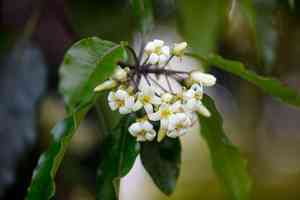
Australian cheesewood (Pittosporum undulatum)
Also known as: Victorian box, Orange pittosporum, Native daphne, Orange berry pittosporum
The tree you're describing is the Australian Cheesewood (*Pittosporum undulatum*). Known for its eye-catching orange, woody fruits, this fast-growing species has become invasive in regions such as Australia, South Africa, Hawaii, and Brazil. It also serves as an attractant for moths and butterflies.
Attributes of Australian cheesewood
Images of Australian cheesewood
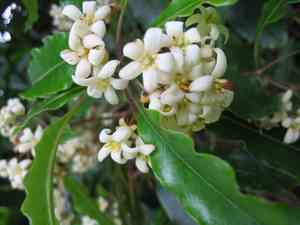
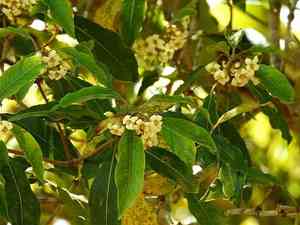
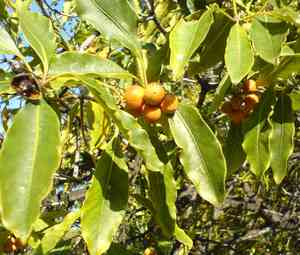
Quickly Identify Australian cheesewood
Scientific Classification of Australian cheesewood
Planting and Growing of Australian cheesewood
 How to Water Australian cheesewood?
 What Are the Sunlight Requirements for Australian cheesewood?
 What Is the Ideal Temperature Range for Australian cheesewood?
 What Soil is Best for Australian cheesewood?
 How to Fertilize Australian cheesewood?
 How to Prune Australian cheesewood?
 How to Propagate Australian cheesewood plant?
 How to Repot Australian cheesewood plant?
Toxicity of Australian cheesewood
Is Australian cheesewood toxic to humans?
Australian cheesewood presents a mild toxicity risk to humans when ingested. The entire plant harbors saponins, which are the primary agents behind its toxic characteristics. Consumption can lead to various symptoms, including nausea, vomiting, and diarrhea, with severity fluctuating based on the quantity consumed. Given that every part of australian cheesewood is toxic, precautions must be taken to avert accidental ingestion, particularly in areas where the plant thrives. It is crucial for individuals to be mindful of the potential hazards linked to australian cheesewood to prevent any negative health repercussions.
Is Australian cheesewood toxic to cat?
The Australian cheesewood possesses a mild level of toxicity for cats. Cats may inadvertently consume portions of the Australian cheesewood, which could result in poisoning as a consequence of the saponins found throughout the plant. If a cat ingests any parts of the Australian cheesewood, it may exhibit signs of physical discomfort or illness. Since every part of the Australian cheesewood is toxic, it is crucial to keep cats away from this plant. In the event that a cat ingests parts of Australian cheesewood, prompt veterinary care is vital to address the potential effects on the cat's health.
Is Australian cheesewood toxic to dog?
Australian cheesewood is regarded as possessing a mild toxicity level to dogs. Canines might inadvertently consume various parts of the australian cheesewood plant, which can result in potential poisoning. Every component of the plant, including the leaves, stems, and berries, harbors toxic elements that can pose risks when ingested by dogs. Upon ingestion, the primary symptoms a dog may display encompass gastrointestinal disturbances such as vomiting and diarrhea. It is essential for dog owners to remain alert and prevent their pets from gaining access to or consuming any part of the australian cheesewood. If a dog accidentally consumes australian cheesewood, it is vital to seek prompt veterinary assistance to ensure appropriate treatment and management of any symptoms.



