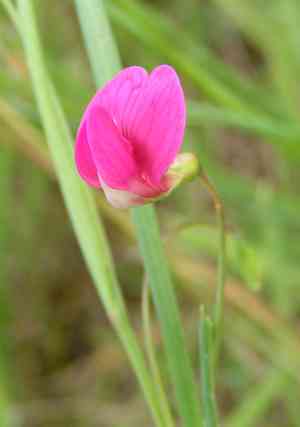
Peas (Pisum) (Pisum)
Also known as: Garden pea, Field pea
Peas have long been recognized as a crucial food source globally, evident from their presence in markets and grocery stores today. Historically, peas have been cultivated for thousands of years, with archaeological discoveries showing their use in various ancient civilizations. For instance, peas have been found in ancient Egyptian tombs and Bronze Age European settlements, illustrating their dietary importance. Additionally, ancient texts from Greece and Rome mention peas, emphasizing their role in historical diets. The cultivation of peas has thus been a significant part of human agriculture and nutrition across different eras and regions.
In This Article
Attributes of Peas (Pisum)
Lifespan
Annual
Plant Height
40-180 cm (16-70 inches)
Spread
15-40 cm (6-16 inches)
Leaf Color
Green
Flower Size
2-3 cm (0.8-1.2 inches)
Flower Color
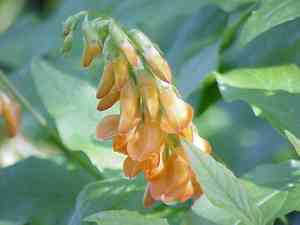
White, Purple
Images of Peas (Pisum)
Quickly Identify Peas (Pisum)
1
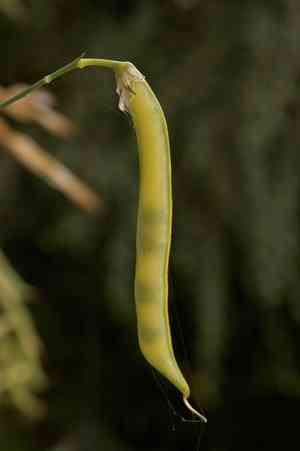
The pea plant can be identified by its compound leaves with leaflets and tendrils, white to purple flowers, and green pods containing seeds. The vines often require support to grow upright.
Scientific Classification of Peas (Pisum)
Phylum
Magnoliophyta
Class
Magnoliopsida
Order
Fabales
Family
Fabaceae
Genus
Pisum
Planting and Growing of Peas (Pisum)
Care Difficulty
Easy
Watering Schedule
Every 8 days
Sunlight Requirements
Full sun
Sunshine Duration
4-10 hours
Ideal Temperature
65-75℉
Soil Type
Potting Mix, Peat Mix
Soil pH
6-7.5
Fertilizer Type
Balanced
Pruning Season
Spring, Summer
Pruning Area
Branches, Leaves
Pruning Frequency
2 times a year
Repotting Season
Spring
Pot Type
Plastic, Terracotta
 How to Water Peas (Pisum)?
Pisum plants, commonly known as peas, require their soil to be evenly moist but not waterlogged. Watering with about 250 ml per session should suffice, as this ensures the soil is adequately moist without drowning the roots. It's important to water until water starts to drain from the bottom of the pot, indicating that the entire root system has received water.
What are the symptoms of an underwatered Peas (Pisum)?
›
What should I do if my Peas (Pisum) is not getting enough water?
›
What are the symptoms of an overwatered Peas (Pisum)?
›
How to save an overwatered Peas (Pisum)?
›
 What Are the Sunlight Requirements for Peas (Pisum)?
Pisum prefers full sun to partial sun, requiring 6 to 8 hours of light for optimal growth. This range maximizes photosynthesis, resulting in robust growth and improved yields.
Preferred Lighting Conditions
›
Solution for Achieving Ideal Light
›
Benefits of Ideal Lighting
›
 What Is the Ideal Temperature Range for Peas (Pisum)?
The ideal temperature range for Pisum is between 65°F and 75°F. Within this range, the plant thrives as it supports optimal growth and development. Maintaining such temperatures ensures that the plant can photosynthesize efficiently, leading to lush foliage and healthy flower production.
 What Soil is Best for Peas (Pisum)?
Pisum thrives in well-drained soil as it prevents root rot and ensures oxygen availability to the roots, promoting healthy growth and abundant flowering. The soil should retain some moisture but not be waterlogged, as Pisum requires steady hydration to support its growth process, preventing wilting. Rich in organic matter, the soil provides essential nutrients that enhance the growth of Pisum, leading to lush foliage and plentiful yield.
 How to Fertilize Peas (Pisum)?
Pisum, or commonly known as peas, require a balanced amount of nutrients to thrive. For liquid fertilizer, use half the recommended dose on the package, as peas are sensitive to high concentrations of nutrients. For slow-release fertilizer, you can use around 50 grams per square meter once every four months to ensure a steady supply of nutrients throughout the growing season.
 How to Prune Peas (Pisum)?
Assess your Pisum plant for dead, overwintered branches that didn't sprout in spring. 2. Use sterilized shears to cut these branches back to the base. 3. Throughout the summer, trim any overgrown branches. 4. Make angled cuts just above healthy buds to stimulate new growth. 5. Continuously monitor to avoid overcrowding and keep the plant well-ventilated. Wear gardening gloves to protect your hands, and be cautious of where you cut to avoid damaging nearby leaves or buds. After pruning, water the plant thoroughly and apply a balanced fertilizer to support recovery and new growth. Keep an eye on the humidity and adjust watering to prevent fungal infections post-pruning.
 How to Propagate Peas (Pisum) plant?
1
Fill seed trays with a sterile and quality potting mix. This ensures that the seeds have a healthy start and minimizes the risk of damping-off disease.
2
Distribute the seeds evenly over the potting mix surface. Cover lightly with soil, as peas prefer shallow planting for optimal germination.
3
Lightly water the seeds immediately after sowing. Ensure that the soil remains consistently moist, but avoid waterlogging, which could rot the seeds.
 How to Repot Peas (Pisum) plant?
1
Pisum plants need repotting when roots outgrow the current pot or water drainage becomes compromised. Spring and autumn are ideal for repotting, as moderate temperatures and growth cycles facilitate recovery.
2
Opt for a pot slightly larger than the current one with ample drainage holes. A well-chosen pot encourages healthy root expansion and prevents waterlogging, creating optimal conditions for Pisum to flourish.
3
Select a well-drained potting mix rich in organic matter. Such soil enhances root development and water retention, providing the Pisum plant with essential nutrients and balanced moisture levels.
Learn More About Peas (Pisum) Diseases
Anthracnose
Bacterial Leaf Spot
Bacterial Soft Rot
Bacterial Wilt
Cyst Nematode
Damping-off
Downy Mildew
Drought Stress
Fusarium Wilt
Gray Mold
Leaf Spot
Mosaic
Nutrient Deficiency
Nutrient Toxicity
Powdery Mildew
Root Rot
Root-knot Nematode
Rusts
Spider Mites
Temperature Stress
Thrips Damage
White Mold

