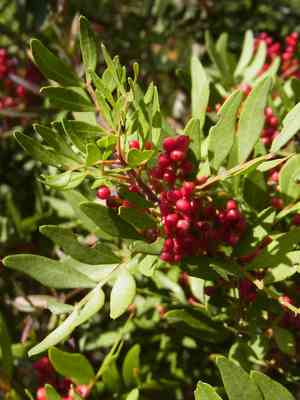
Pistacia (Pistacia) (Pistacia)
Also known as: Terebinth, Mastic Tree
The genus Pistacia, belonging to the cashew family, includes a small group of shrubs and small trees. The most significant species in this genus is Pistacia vera, commonly known as the pistachio tree, which is extensively grown for its nutritious and edible seeds, referred to as pistachio nuts. Additionally, other species in the genus have historical uses; for instance, some have been sources of turpentine, and the resin from Pistacia terebinthus (the Terebinth) was traditionally used as a wine preservative in ancient times.
In This Article
Attributes of Pistacia (Pistacia)
Lifespan
Perennial
Plant Height
5-15 meters
Spread
4-8 meters
Leaf Color
Green, turning yellow to red in autumn
Flower Size
Small, less than 1 cm
Flower Color
Greenish
Images of Pistacia (Pistacia)
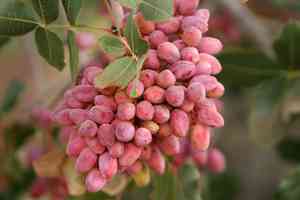
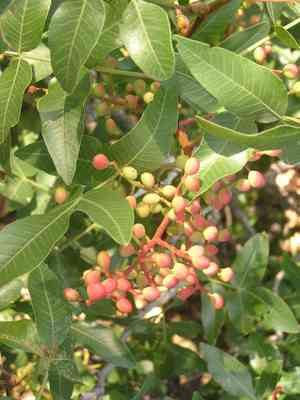
Quickly Identify Pistacia (Pistacia)
1
Identify Pistacia plants by their pinnate leaves, greenish flowers, and clusters of small, rounded fruits which typically turn red or purple as they mature.
Scientific Classification of Pistacia (Pistacia)
Phylum
Magnoliophyta
Class
Magnoliopsida
Order
Sapindales
Family
Anacardiaceae
Genus
Pistacia
Planting and Growing of Pistacia (Pistacia)
Care Difficulty
Moderate
Watering Schedule
Every 3 days
Sunlight Requirements
Full sun
Sunshine Duration
4-8 hours
Ideal Temperature
65-77℉
Soil Type
Potting Mix, Peat Mix
Soil pH
6.5-8
Fertilizer Type
Balanced
Pruning Season
Spring, Summer
Pruning Area
Branches, Leaves
Pruning Frequency
2 times a year
Repotting Season
Spring
Pot Type
Plastic, Ceramic
 How to Water Pistacia (Pistacia)?
For Pistacia, it is essential to ensure that the soil is moist but never soggy. When watering, aim for about 500 milliliters per session, enough to saturate the soil without water pooling at the base. This plant thrives when the soil dries slightly between waterings, mimicking natural dry spells.
What are the symptoms of an underwatered Pistacia (Pistacia)?
›
What should I do if my Pistacia (Pistacia) is not getting enough water?
›
What are the symptoms of an overwatered Pistacia (Pistacia)?
›
How to save an overwatered Pistacia (Pistacia)?
›
 What Are the Sunlight Requirements for Pistacia (Pistacia)?
For Pistacia, the ideal light range is full to partial sun, ensuring optimal photosynthesis and growth vigor. Adequate light promotes healthy foliage and strong pest resistance.
How much sunlight does Pistacia need?
›
How to ensure Pistacia receives adequate light?
›
What are the benefits of proper lighting for Pistacia?
›
 What Is the Ideal Temperature Range for Pistacia (Pistacia)?
Pistacia plants thrive best in a temperature range of 65 to 77 degrees Fahrenheit. This range offers optimal conditions for photosynthesis, growth, and fruiting. Consistent temperatures within this range improve plant metabolism and reduce stress, leading to healthier, more productive plants.
 What Soil is Best for Pistacia (Pistacia)?
Pistacia species thrive in well-drained soil as it prevents waterlogging which can lead to root rot. Ensuring good drainage helps in maintaining healthy root systems, which are essential for optimal plant growth and productivity. The plants prefer moderately fertile soil which provides sufficient nutrients without the risk of over-fertilization. This balance is crucial for steady growth and to avoid excessive vegetative growth with few fruits. A slightly alkaline soil pH, being closer to neutral, helps in the efficient absorption of essential nutrients like calcium, which is critical for the structural integrity of the plant and affects pistachio quality and size.
 How to Fertilize Pistacia (Pistacia)?
When fertilizing Pistacia, it is essential to consider the size and age of the plant. Generally, young plants require a lighter fertilizer application, about 1/4 cup of balanced granular fertilizer per tree, while mature trees can need up to 1 cup. It’s always better to err on the lighter side initially and adjust as needed.
 How to Prune Pistacia (Pistacia)?
Observe the tree structure and identify branches that are diseased, dead, or overgrown. Target these first to ensure that you maintain the tree’s health and aesthetics. Always use clean and sharp pruning shears or a saw. Disinfecting your tools with alcohol before and after use prevents the spread of diseases. Make clean cuts at a 45-degree angle just above a bud that is facing outward. This encourages the branch to grow away from the tree center, promoting an open canopy. As you prune, periodically step back and observe the tree’s overall shape. This ensures you’re maintaining the desired form and symmetry, avoiding over-pruning one side.
 How to Propagate Pistacia (Pistacia) plant?
1
To propagate pistachio through seeds, begin by soaking the seeds for 24 hours in warm water to reduce dormancy. After soaking, stratify them in a refrigerator for about six weeks to mimic winter conditions, which enhances germination success.
2
After stratification, sow the seeds in seedling trays at a depth approximately twice their size. Water lightly to moisten the soil, then cover with a plastic cover or place in a greenhouse to maintain humidity and warmth, aiding in germination.
3
For grafting propagation, select a healthy scion wood from a mature pistachio tree. Make a clean cut on the rootstock and scion, then align and bind them using grafting tape. Ensure the union is firm to promote vascular connectivity as they heal and grow.
 How to Repot Pistacia (Pistacia) plant?
1
Pistacia trees should be repotted when you notice their roots are emerging from the pot's drainage holes or if growth seems stunted. These are tell-tale signs that the plant has outgrown its current confines and needs more space and fresh nutrients to thrive.
2
Choose a pot that is 2-3 inches larger in diameter than the current one. Ensure it has adequate drainage holes. A slightly larger pot helps manage water retention while providing room for roots to expand, promoting healthier growth.
3
Use a well-draining potting mix rich in organic matter. Soil with good drainage prevents root rot and simulates the plant's natural environment, allowing it to flourish by providing necessary aeration and nutrients.

