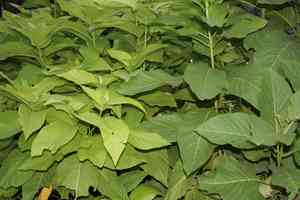
Catchbirdtrees (Pisonia) (Pisonia)
Also known as: Birdcatcher trees
Catchbirdtrees are a group of shrubs, trees, and vines commonly found in tropical regions. They depend on birds for dispersing their seeds. The seeds are covered in a sticky coating that attaches to the birds' feathers. Occasionally, this sticky coating can entirely envelop smaller birds, immobilizing them, which is the origin of the name Catchbirdtrees.
In This Article
Attributes of Catchbirdtrees (Pisonia)
Lifespan
Perennial
Plant Height
5 to 15 meters
Spread
4 to 10 meters
Leaf Color
Green
Flower Size
Small (around 0.5 cm)
Flower Color
Greenish-white
Images of Catchbirdtrees (Pisonia)
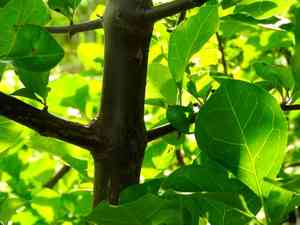
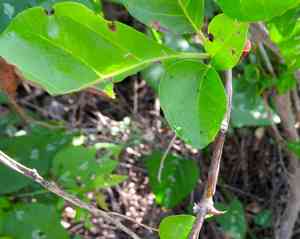
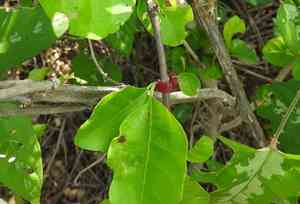
Quickly Identify Catchbirdtrees (Pisonia)
1
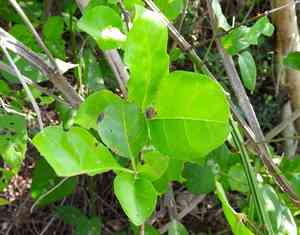
Pisonia species can be recognized by their broad, glossy leaves and clusters of small, greenish-white flowers. The sticky seeds are a distinctive feature.
Scientific Classification of Catchbirdtrees (Pisonia)
Phylum
Magnoliophyta
Class
Magnoliopsida
Order
Caryophyllales
Family
Nyctaginaceae
Genus
Pisonia
Planting and Growing of Catchbirdtrees (Pisonia)
Care Difficulty
Moderate
Watering Schedule
Every 3 days
Sunlight Requirements
Partial sun
Sunshine Duration
4-6 hours
Ideal Temperature
68-77℉
Soil Type
Potting Mix, Peat Mix
Soil pH
6.5-7.5
Fertilizer Type
Balanced
Pruning Season
Spring, Summer
Pruning Area
Branches, Leaves
Pruning Frequency
2 times a year
Repotting Season
Spring
Pot Type
Terracotta, Plastic
 How to Water Catchbirdtrees (Pisonia)?
For Pisonia, each watering session requires about 500 ml. The key is ensuring that the soil is evenly moist without becoming waterlogged. Water the soil until it's thoroughly moistened, allowing excess water to drain out.
What are the symptoms of an underwatered Catchbirdtrees (Pisonia)?
›
What should I do if my Catchbirdtrees (Pisonia) is not getting enough water?
›
What are the symptoms of an overwatered Catchbirdtrees (Pisonia)?
›
How to save an overwatered Catchbirdtrees (Pisonia)?
›
 What Are the Sunlight Requirements for Catchbirdtrees (Pisonia)?
Pisonia's ideal light range includes partial sun to full shade, preventing leaf burn and promoting a lush, green appearance. Favorable light conditions uphold robust growth and longevity.
What type of sunlight does Pisonia prefer?
›
How can you provide ideal lighting for Pisonia indoors?
›
What changes occur when Pisonia receives ideal lighting?
›
 What Is the Ideal Temperature Range for Catchbirdtrees (Pisonia)?
Pisonia thrives best when the temperature ranges between 68°F and 77°F. This range provides optimal conditions for physiological processes such as photosynthesis and nutrient uptake, ensuring healthy growth.
 What Soil is Best for Catchbirdtrees (Pisonia)?
Pisonia thrives in well-drained soil, essential for preventing root rot and promoting healthy growth. This type of soil aids in maintaining the right balance of moisture and oxygen for the plant's roots. The plant benefits from soils high in organic matter, supplying necessary nutrients for robust development. Such fertilized soils support Pisonia's lush foliage and vibrant colors. While Pisonia prefers moisture, it excels in soil that retains some water but is not waterlogged. This retention helps sustain the plant during dry spells without compromising root health.
 How to Fertilize Catchbirdtrees (Pisonia)?
For Pisonia plants, it's recommended to use a balanced fertilizer at a quarter to half strength for both liquid and solid forms. Over-fertilizing can lead to foliage burn, so always err on the side of caution. For liquid fertilizer, use about 1 teaspoon per gallon of water. For slow-release granules, apply approximately 1 tablespoon per plant.
 How to Prune Catchbirdtrees (Pisonia)?
It's essential to monitor your Pisonia for seasonal changes, as these can impact your pruning strategy. During spring and summer, the plant is in its active growing phase, making it the optimal time for most pruning tasks. Adjust your techniques if you notice any changes in growth patterns due to weather conditions. When pruning, it's vital to be cautious of the growth tips, which are the points from which new leaves and stems will grow. Minimize cutting these dominant tips unless the goal is to promote branching. Removing too many growth tips can tamper with the plant's ability to thrive and can lead to unwanted growth patterns.
 How to Propagate Catchbirdtrees (Pisonia) plant?
1
Select a healthy branch from the parent plant and make a clean cut just below a node. The cutting should be around 4-6 inches long and should not have flowers or buds, as these divert energy away from root development.
2
Dip the cut end of the cutting in rooting hormone to encourage root growth. Place the cutting in a pot with well-draining soil and water thoroughly. Maintain high humidity around the cutting by covering it with a plastic dome or bag.
3
Sprinkle seeds lightly on the surface of a pot filled with seed-starting mix. Gently press the seeds into the soil and cover with a thin layer of soil. Water the seeds gently and keep them at a constant temperature of about 70°F (21°C).
 How to Repot Catchbirdtrees (Pisonia) plant?
1
Pisonia shows it needs repotting when roots start circling the pot, or you notice reduced growth and water retention. Early spring is ideal as the plant enters a growth phase, allowing it to adjust seamlessly.
2
Select a pot with drainage holes, slightly larger than the current one. This prevents waterlogging and root rot, ensuring healthy growth. A ceramic or plastic pot is preferable for retaining the right amount of moisture.
3
Use a well-draining potting mix combining peat, perlite, and sand. This soil ensures adequate aeration, retains necessary moisture, and provides essential nutrients for vibrant and sustained growth.
Toxicity
Ingestion, contact with sap
WARNING
The judgment on toxicity and danger is for reference only. We DO NOT GUARANTEE any accuracy of such judgment. Therefore, you SHALL NOT rely on such judgment. It is IMPORTANT TO SEEK PROFESSIONAL ADVICE in advance when necessary.
Learn More About Catchbirdtrees (Pisonia) Diseases
Anthracnose
Bacterial Leaf Spot
Bacterial Soft Rot
Bacterial Wilt
Crown Gall
Damping-off
Downy Mildew
Drought Stress
Fusarium Wilt
Gray Mold
Leaf Spot
Mosaic
Nutrient Deficiency
Nutrient Toxicity
Powdery Mildew
Root Rot
Root-knot Nematode
Rusts
Sooty Mold
Spider Mites
Temperature Stress
Thrips Damage
White Mold

