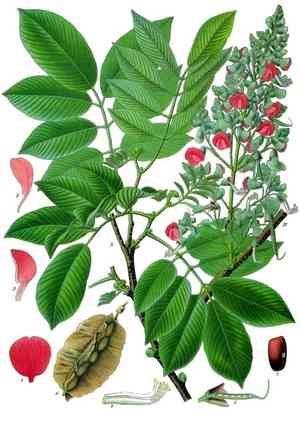
Florida fishpoison tree (Piscidia piscipula)
Also known as: Fish poison tree, Fish poison, Jamaican dogwood, Fishfuddle
The Florida fishpoison tree, or **Piscidia piscipula**, is a deciduous plant that produces flowers in the summer. Native to the Caribbean and southern Florida, this species was historically utilized by indigenous peoples to stun fish, aiding in their capture. Its scientific name, which translates to "fish killer," reflects this traditional use.
In This Article
Attributes of Florida fishpoison tree
Lifespan
Perennial
Plant Type
Tree
Plant Height
15 m to 18 m
Spread
21 m
Leaf Color
Green
Flower Size
2.5 cm
Flower Color
Pink White Green Blue
Images of Florida fishpoison tree
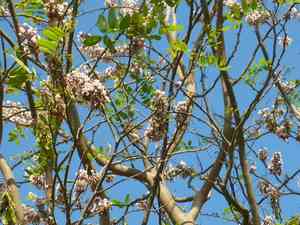
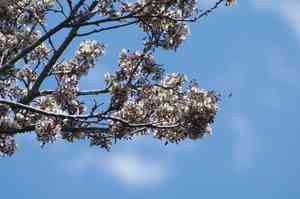
Quickly Identify Florida fishpoison tree
1
Look for a medium-sized tree with compound leaves having seven to nine leaflets, fragrant white to pinkish flowers with a pea-like shape, and distinctive fissured bark. The tree often produces seed pods that are long and slightly curved.
Scientific Classification of Florida fishpoison tree
Phylum
Vascular plants
Class
Dicotyledons
Order
Legumes, milkworts and allies
Family
Legume
Genus
Piscidia
Species
Florida fishpoison tree
Planting and Growing of Florida fishpoison tree
Care Difficulty
Moderate
Watering Schedule
Every 2 days
Sunlight Requirements
Full sun
Sunshine Duration
10-12 hours
Ideal Temperature
68-86℉
Soil Type
Potting Mix, Peat Mix
Soil pH
6.5-7.5
Fertilizer Type
Balanced
Pruning Season
Spring, Summer
Pruning Area
Branches, Leaves
Pruning Frequency
2 times a year
Repotting Season
Spring
Pot Type
Plastic, Ceramic
 How to Water Florida fishpoison tree?
Piscidia piscipula typically requires around 500ml of water per session. The key is to ensure the soil is thoroughly moist but not waterlogged. Allow the top inch of soil to dry out between waterings.
What are the symptoms of an underwatered Florida fishpoison tree?
›
What should I do if my Florida fishpoison tree is not getting enough water?
›
What are the symptoms of an overwatered Florida fishpoison tree?
›
How to save an overwatered Florida fishpoison tree?
›
 What Are the Sunlight Requirements for Florida fishpoison tree?
Piscidia piscipula thrives best under full sun to partial sun, ideally between 6 and 8 hours. This range ensures healthy growth, robust flowering, and maintains ecological balance in its native regions.
More About Sunlight Requirements Techniques→
How much sunlight does Piscidia piscipula need?
›
What if I can't provide full sun?
›
What are the benefits of ideal sunlight?
›
 What Is the Ideal Temperature Range for Florida fishpoison tree?
Piscidia piscipula thrives optimally in warm climates, with temperatures ranging from 68°F to 86°F. This range ensures vigorous growth and sustains essential physiological processes. Maintaining temperatures within this range promotes healthy foliage and enhances flowering.
 What Soil is Best for Florida fishpoison tree?
Piscidia piscipula thrives in well-drained soils which allow water to percolate easily, preventing root rot and ensuring that the roots get the right mix of moisture and oxygen. This plant is adapted to soils with moderate nutrient levels. Over-fertilization should be avoided to prevent nutrient burn and encourage the natural growth form of Piscidia piscipula. A slightly alkaline soil pH enhances the nutrient availability for Piscidia piscipula, supporting its growth and resilience against pests and diseases.
 How to Fertilize Florida fishpoison tree?
For Piscidia piscipula, the right amount of fertilizer is essential for optimal growth. In general, a balanced 10-10-10 NPK liquid fertilizer should be diluted to half strength and applied bi-weekly during the growing season. Be cautious not to over-fertilize as it can harm the plant's roots.
 How to Prune Florida fishpoison tree?
Start by gathering the appropriate pruning tools: sharp shears, gloves, and sterilizing alcohol. Using sharp tools ensures clean cuts, reducing damage to the plant that could lead to infections. Examine the tree carefully to identify and remove any dead, diseased, or damaged branches. These can harbor pests and diseases and hinder the tree's overall health. Visualize the desired shape of the tree. Piscidia piscipula benefits from a canopy that allows sunlight and air to penetrate, fostering a vibrant growth environment. Trim the outer edges to achieve a balanced look. When making major cuts, ensure that you are cutting at the branch collar to promote proper healing. Avoid leaving stubs, as these can become entry points for pests and diseases. After major pruning, step back and assess the overall symmetry and density. Perform additional minor cuts as necessary to refine the shape and ensure even growth patterns across the canopy.
More About Pruning Techniques→
 How to Propagate Florida fishpoison tree plant?
1
Harvest mature seeds from the plant when they are dry and brown. Ensure the seeds are viable by conducting a float test where seeds that sink are typically viable.
2
Select semi-hardwood cuttings from the plant. Cut about 4-6 inches below the leaf node, remove the lower leaves, and prepare them for root hormone application.
3
Plant seeds or cuttings into prepared pots filled with appropriate substrate. Water them gently but thoroughly to ensure soil contact, and place them in a warm, humid environment.
 How to Repot Florida fishpoison tree plant?
1
Piscidia piscipula signals the need for repotting when you notice roots growing out of drainage holes, or when growth becomes sluggish despite proper care. Spring is ideal for repotting as the plant enters its growth phase and can easily recover.
2
Select a pot that's one size larger than the current one, with adequate drainage holes to prevent waterlogging. A slightly larger pot provides space for root growth, which is crucial for plant health and vigor.
3
Opt for well-draining sandy loam soil to ensure your plant's roots do not sit in excess moisture. Good drainage promotes healthy root growth and prevents issues like root rot.



