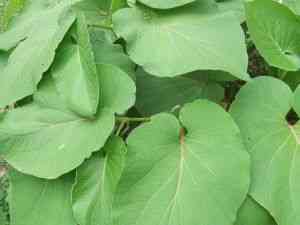
Hoja Santa (Piper auritum)
Also known as: Vera cruz pepper, Root beer plant, Tlanepa, Hierba santa
Hoja santa is a revered leaf commonly used in Mexican cuisine. When crushed, it emits a fragrance similar to root beer, which is why it is sometimes called the root beer plant.
In This Article
Attributes of Hoja Santa
Lifespan
Perennial
Plant Type
Herb
Plant Height
61 cm to 3.5 m
Spread
60 cm to 3.5 m
Leaf Color
Green
Flower Size
Small, inconspicuous flowers
Flower Color
Yellow Cream
Images of Hoja Santa
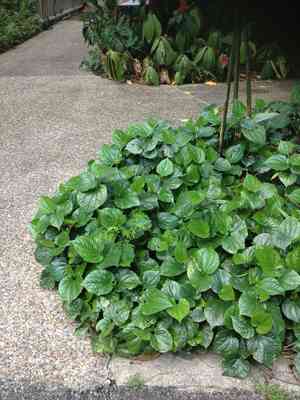
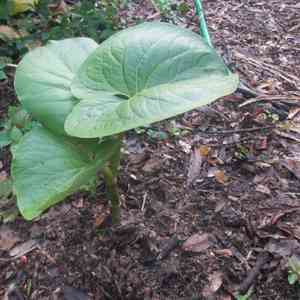
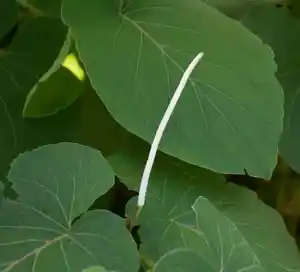
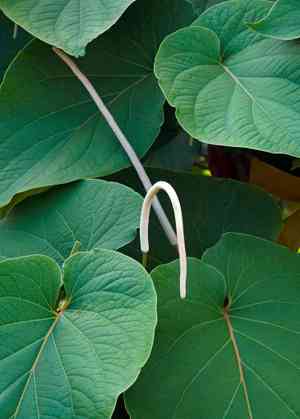
Quickly Identify Hoja Santa
1
Heart-shaped velvety leaves, exceeding 12 inches (30 cm) in length.
2
Pencil-thin flower spikes, 6 inches (15 cm) long, transitioning from upright to drooping.
3
Aromatic profile noticeable in leaves and overall plant, thriving in sun and shade.
4
Rough textured vertical stems, spreading extensively via rhizomes.
5
Tolerates light frost, evergreen herbaceous shrub reaching over 8 feet (2.4 meters) tall.
Scientific Classification of Hoja Santa
Phylum
Vascular plants
Class
Dicotyledons
Order
Piperales
Family
Pepper
Genus
Pepper plants
Species
Hoja Santa
Planting and Growing of Hoja Santa
Care Difficulty
Easy
Watering Schedule
Every 4 days
Sunlight Requirements
Partial sun
Sunshine Duration
6-12 hours
Ideal Temperature
70-85℉
Soil Type
Potting Mix, Peat Mix
Soil pH
6.5-7.5
Fertilizer Type
Balanced
Pruning Season
Spring, Summer
Pruning Area
Branches, Leaves
Pruning Frequency
2 times a year
Repotting Season
Spring
Pot Type
Plastic, Ceramic
 How to Water Hoja Santa?
Piper auritum, also known as the Mexican pepperleaf or root beer plant, thrives best when its soil remains evenly moist. Each watering session should aim for about 500 ml, enough to saturate the soil without causing waterlogging. When watering, pour slowly and evenly until you see water beginning to drain from the bottom of the pot, ensuring the roots receive adequate hydration.
What are the symptoms of an underwatered Hoja Santa?
›
What should I do if my Hoja Santa is not getting enough water?
›
What are the symptoms of an overwatered Hoja Santa?
›
How to save an overwatered Hoja Santa?
›
 What Are the Sunlight Requirements for Hoja Santa?
Partial sun; ideal for maintaining lush foliage and aroma in Piper auritum, allowing balanced growth with adequate natural light.
More About Sunlight Requirements Techniques→
Where should I place Piper auritum for optimum growth?
›
What can I do if my outdoor space is too sunny?
›
How does ideal light benefit Piper auritum?
›
 What Is the Ideal Temperature Range for Hoja Santa?
The ideal temperature range for Piper auritum is between 70°F to 85°F. This range provides optimal conditions for growth and ensures that the plant can photosynthesize effectively. Maintaining this temperature range helps avoid any physiological stress and supports a healthy, thriving plant.
 What Soil is Best for Hoja Santa?
Piper auritum thrives in well-drained soil, which prevents waterlogging and root rot. Proper drainage ensures that the plant receives enough moisture without overwhelming its roots, promoting healthy growth and lush foliage. Rich nutrient content in the soil helps Piper auritum develop its aromatic leaves. A blend of organic matter and compost in the soil provides essential macro and micro-nutrients, enhancing the plant's aromatic quality and vigor. While drainage is essential, Piper auritum also requires soil that can retain some moisture to support its tropical nature. Sandy loam soils offer this balance, keeping the roots moist but not soggy.
 How to Fertilize Hoja Santa?
For Piper auritum, it is essential to apply fertilizers at balanced amounts to ensure optimal growth. Typically, for liquid fertilizers, use a half-strength balanced fertilizer solution, applying roughly 200 ml per application to each plant base. This ensures that nutrients are provided without overwhelming the plant.
 How to Prune Hoja Santa?
Given its tropical origin, Piper auritum thrives in humid environments. Ensure that pruning activities consider the local climate to avoid stressing the plant during dry or adverse weather conditions. While regular maintenance is crucial, avoid removing more than one-third of the plant at a time. Excessive pruning can shock the plant, leading to poor recovery and reduced growth. After pruning, monitor the plant for new growth to ensure it's responding well. This can guide future pruning needs and ensure you're encouraging desired growth patterns. This plant can grow quite large. Regular pruning helps manage its size, especially in constrained spaces like pots or small garden beds, ensuring it doesn't outgrow its intended area.
More About Pruning Techniques→
 How to Propagate Hoja Santa plant?
1
Select a healthy Piper auritum plant for propagation. Water it thoroughly a day before taking cuttings to ensure it is hydrated and resilient.
2
Using sharp pruning shears, cut a 4-6 inch healthy stem section right below a node. Ensure the cutting has several leaves and remove any flowers or buds.
3
Dip the cut end of the cutting into rooting hormone and plant it in moist potting soil. Keep the soil consistently moist but not waterlogged until roots develop.
 How to Repot Hoja Santa plant?
1
Piper auritum needs repotting when growth slows noticeably or roots start poking out of the drainage holes. Another indicator is when the soil no longer absorbs water easily, showing potential root binding.
2
Select a pot that is one size larger than the current one, with sufficient drainage holes. This allows roots to expand comfortably, prevents waterlogging, and promotes better aeration, vital for healthy growth.
3
Opt for a rich, well-draining potting mix. Such soil provides essential nutrients while ensuring excess water drains away, preventing root rot and encouraging strong, robust plant development.
Toxicity
Ingestion
WARNING
The judgment on toxicity and danger is for reference only. We DO NOT GUARANTEE any accuracy of such judgment. Therefore, you SHALL NOT rely on such judgment. It is IMPORTANT TO SEEK PROFESSIONAL ADVICE in advance when necessary.



