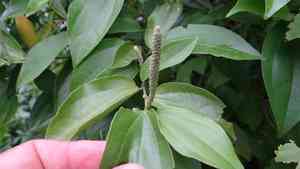
Higuillo de limon (Piper amalago)
Also known as: Joint-wood
Higuillo de limón, also known as the lemon vine (Cissus verticillata), is a tropical plant known for its climbing habit and broad, somewhat textured leaves. It flourishes in humid environments such as tropical forests and along riverbanks. The plant's small green flowers may not be visually striking but serve to attract particular pollinators. Its sturdy stems and ability to grow in both shaded and partially sunny areas make it highly adaptable to various light conditions.
In This Article
Attributes of Higuillo de limon
Lifespan
Perennial
Plant Type
Shrub
Plant Height
1-3 meters
Spread
0.5-1 meters
Leaf Color
Dark green
Flower Size
0.1-0.2 cm (tiny inflorescences)
Flower Color
White to greenish
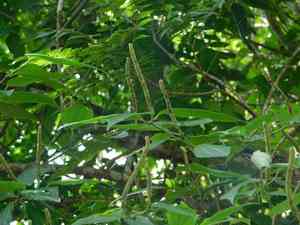
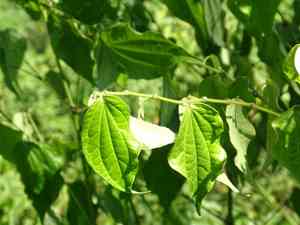
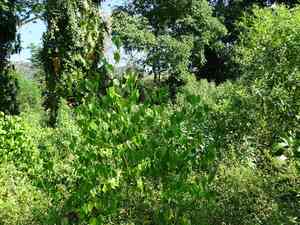
Images of Higuillo de limon
Quickly Identify Higuillo de limon
1
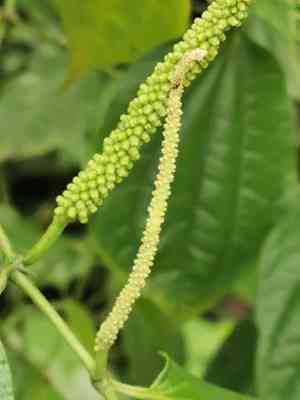
Piper amalago can be identified by its elongated leaves with prominent veins, small inflorescences with unisexual flowers, and its distinctive peppery smell when leaves are crushed.
Scientific Classification of Higuillo de limon
Phylum
Vascular plants
Class
Dicotyledons
Order
Piperales
Family
Pepper
Genus
Pepper plants
Species
Higuillo de limon
Planting and Growing of Higuillo de limon
Care Difficulty
Moderate
Watering Schedule
Every 4 days
Sunlight Requirements
Partial sun
Sunshine Duration
6-12 hours
Ideal Temperature
65-77℉
Soil Type
Potting Mix, Peat Mix
Soil pH
5.5-7.5
Fertilizer Type
Balanced
Pruning Season
Spring, Summer
Pruning Area
Branches, Leaves
Pruning Frequency
2 times a year
Repotting Season
Spring
Pot Type
Plastic, Ceramic
 How to Water Higuillo de limon?
For Piper amalago, each watering session should involve saturating the soil with approximately 300 milliliters of water. The aim is to ensure the soil is moist but not waterlogged. Check that the water penetrates deeply to reach the roots without pooling at the plant base.
What are the symptoms of an underwatered Higuillo de limon?
›
What should I do if my Higuillo de limon is not getting enough water?
›
What are the symptoms of an overwatered Higuillo de limon?
›
How to save an overwatered Higuillo de limon?
›
 What Are the Sunlight Requirements for Higuillo de limon?
Piper amalago ideally requires partial sunlight, making dappled or indirect light optimal. This light condition supports its growth, ensuring rich foliage and healthy plant development.
What is the ideal amount of light for Piper amalago?
›
What are some solutions to achieve ideal lighting?
›
What benefits does ideal light offer Piper amalago?
›
 What Is the Ideal Temperature Range for Higuillo de limon?
Piper amalago thrives best in temperatures ranging between 65°F and 77°F. This range allows the plant to maintain its metabolic processes efficiently, ensuring healthy growth and vibrant foliage. By maintaining this ideal temperature range, you provide a stable environment that supports proper nutrient uptake and overall plant development.
 What Soil is Best for Higuillo de limon?
Piper amalago thrives in well-drained soil that prevents waterlogging. Ensuring proper drainage helps the roots to breathe and reduces the risk of root rot, promoting healthy growth. Soil rich in organic matter provides essential nutrients that Piper amalago needs for robust growth. Compost or well-rotted manure enhances soil fertility, improves texture, and retains moisture beneficially. While this plant enjoys moisture, the soil should not be soggy. A moderately moist environment supports steady growth and prevents dehydration, crucial for Piper amalago's development.
 How to Fertilize Higuillo de limon?
For Piper amalago, it is important to use a balanced fertilizer and apply modest amounts, usually about 1/4 strength of a general-purpose liquid fertilizer. Make sure not to over-fertilize, as excess nutrients can harm the plant. Preferably apply before the growing season begins.
 How to Prune Higuillo de limon?
First, identify any dead, diseased, or damaged branches on the Piper amalago. These should be removed to maintain plant health. Also, look for branches that cross or rub against each other, as these can create wounds where diseases can enter. To maintain an attractive shape and encourage healthier growth, trim back the tips of the branches. Cut just above a leaf node to promote branching. This will help the plant develop a fuller appearance. To prevent the spread of disease, especially if you are pruning multiple plants, soak your tools in a disinfectant solution or wipe them with alcohol between cuts.
More About Pruning Techniques→
 How to Propagate Higuillo de limon plant?
1
Collect seeds from a mature Piper amalago plant. Prepare a well-draining potting mix and sow seeds on its surface, keeping them barely covered with soil. Maintain consistent moisture and place in a warm environment until germination.
2
Select a healthy stem from the plant and cut a 4-6 inch section below a node. Remove the lower leaves and dip the cut end in rooting hormone. Plant the cutting in a moist substrate and cover it with a plastic bag to maintain humidity.
3
Choose a flexible low branch and bend it to the ground. Wound a section of the stem lightly, place it in contact with soil, and secure with a pin or peg. Cover the wounded area with soil and water regularly until roots form.
 How to Repot Higuillo de limon plant?
1
It's time to repot Piper amalago when you notice the plant outgrowing its container, roots poking through drainage holes, or soil that dries out quickly. Spring and early summer are ideal as they coincide with the plant's growth spurts, allowing it to recover quickly from root disturbance.
2
Select a pot that is one size larger than the current one to avoid root rot from overly spacious conditions. Ensure it has sufficient drainage holes to facilitate proper water escape and mimic the plant's natural tropical habitat conditions, which prevents waterlogging and promotes healthy growth.
3
Opt for a well-draining organic soil mix, such as a combination of peat, perlite, and organic compost. This mix provides the right balance of moisture retention and aeration, essential for Piper amalago. It supports healthy root development and helps in mimicking its native environment's soil conditions.
Learn More About Higuillo de limon Diseases
Anthracnose
Bacterial Leaf Spot
Bacterial Soft Rot
Bacterial Wilt
Crown Gall
Cyst Nematode
Damping-off
Downy Mildew
Drought Stress
Fusarium Wilt
Gray Mold
Leaf Curl
Leaf Spot
Mosaic
Nutrient Deficiency
Nutrient Toxicity
Powdery Mildew
Root Rot
Root-knot Nematode
Rusts
Sooty Mold
Spider Mites
Temperature Stress
Thrips Damage
White Mold



