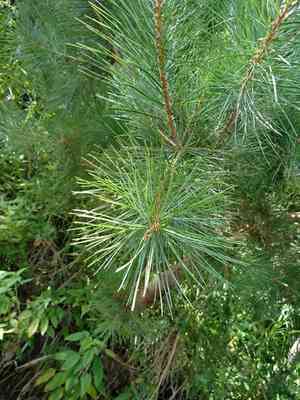
Taiwan red pine (Pinus taiwanensis)
Also known as: Formosa pine
Taiwan red pine is a resilient conifer native to high-elevation forests. It grows as a medium to a large-sized tree with a preference for mist-shrouded, mountainous regions, which likely contribute to its thickened, rough bark that aids in protection from the cold. The needles appear in bundles, which, along with its distinctive conical shape and horizontal branches, help in shedding snow and averting branch damage.
In This Article
Attributes of Taiwan red pine
Lifespan
Perennial
Plant Type
Tree
Plant Height
35 m
Spread
6 m
Leaf Color
Blue Green
Flower Size
1 cm to 1.5 cm
Flower Color
Red Bronze
Images of Taiwan red pine
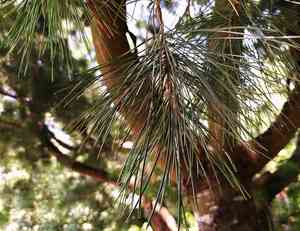
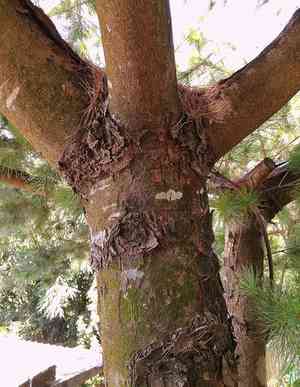
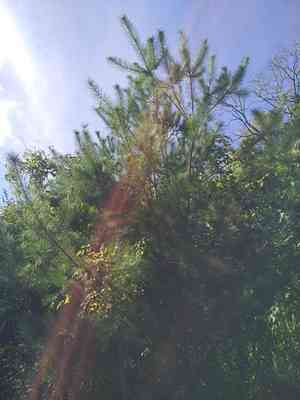
Quickly Identify Taiwan red pine
1
Pinus taiwanensis can be identified by its tall, straight trunk and long, slender needles, which are typically grouped in pairs. The bark is reddish-brown and flaky, and its cones are ovoid, scaling to 5-8 cm in length.
Scientific Classification of Taiwan red pine
Phylum
Vascular plants
Class
Conifers
Order
Pinales
Family
Pine
Genus
Pines
Species
Taiwan red pine
Planting and Growing of Taiwan red pine
Care Difficulty
Hard
Watering Schedule
Every 3 days
Sunlight Requirements
Full sun
Sunshine Duration
4-8 hours
Ideal Temperature
68-77℉
Soil Type
Potting Mix, Peat Mix
Soil pH
5.6-7.5
Fertilizer Type
Balanced
Pruning Season
Spring, Summer
Pruning Area
Branches, Leaves
Pruning Frequency
2 times a year
Repotting Season
Spring
Pot Type
Plastic, Ceramic
 How to Water Taiwan red pine?
For Pinus taiwanensis, it's important to ensure each watering session thoroughly moistens the soil around the root zone. Aim for approximately 500 milliliters per watering session, making certain the water reaches the deeper roots without leaving standing water.
What are the symptoms of an underwatered Taiwan red pine?
›
What should I do if my Taiwan red pine is not getting enough water?
›
What are the symptoms of an overwatered Taiwan red pine?
›
How to save an overwatered Taiwan red pine?
›
 What Are the Sunlight Requirements for Taiwan red pine?
Pinus taiwanensis prefers full sun exposure. Adequate light ensures maximum photosynthesis, leading to vigorous growth, beautiful form, and abundant cone production.
More About Sunlight Requirements Techniques→
What are the ideal light conditions for Pinus taiwanensis?
›
How can we achieve ideal lighting conditions for Pinus taiwanensis?
›
What benefits does Pinus taiwanensis gain from ideal lighting?
›
 What Is the Ideal Temperature Range for Taiwan red pine?
The ideal temperature range for Pinus taiwanensis is between 68°F and 77°F. This range ensures optimal metabolic activities, encouraging healthy growth and development. Staying within this range minimizes stress on the plant and allows it to perform vital functions effectively.
 What Soil is Best for Taiwan red pine?
Pinus taiwanensis thrives in well-drained soil, which prevents waterlogging and root rot. The plant benefits from effective drainage as it ensures a steady supply of oxygen to the roots, promoting vigorous growth. This pine species flourishes in nutrient-rich soils, which support its growth and overall health. A fertile soil can enhance leaf color and boost resistance against pests, making it an essential growth factor. The soil should maintain moderate moisture without becoming soggy. Consistent moisture availability aids in nutrient uptake and stress reduction, contributing to the plant's robustness.
 How to Fertilize Taiwan red pine?
For Pinus taiwanensis, adequate fertilizer amounts are crucial. Liquid fertilizers should be diluted to half-strength to prevent root burn. When using slow-release fertilizers, apply a balanced granular formula like a 10-10-10 NPK mix at a rate of approximately 200 grams per mature tree each application.
 How to Prune Taiwan red pine?
Start by identifying dead, diseased, or damaged branches. These are priority for removal as they can affect the overall health of the tree and hinder its growth. For each branch you prune, make sure to make clean, precise cuts. This helps the tree heal better and reduces the chances of disease. When cutting, do so at a slight angle to promote water runoff. Gradually shape the tree by trimming branches carefully to maintain a desirable aesthetic and encourage balanced growth. Focus on maintaining the tree’s natural form.
More About Pruning Techniques→
 How to Propagate Taiwan red pine plant?
1
Harvest mature cones in autumn and extract seeds carefully. Dry the seeds for a few days and store them in a cool, dry place until ready to plant.
2
Select healthy branches and cut them at a 45-degree angle. Each cutting should be approximately 10-15 cm long with several needle clusters.
3
Select compatible rootstock, make a vertical cut, and insert the scion. Secure the union with grafting tape and monitor regularly for successful union.
 How to Repot Taiwan red pine plant?
1
Pinus taiwanensis shows clear signs when it needs repotting. Look out for root-bound conditions, where roots start to circle the pot or emerge from drainage holes. Another signal is when growth seems stunted despite optimal care. The best time to repot is during early spring when the plant is preparing for new growth, ensuring it establishes well in the new soil.
2
Select a pot that's 2 inches larger in diameter than the current one to give roots space to grow. It should have good drainage capabilities to prevent waterlogging. Materials like unglazed clay are excellent as they allow air exchange and moisture regulation, creating a healthy root environment.
3
For Pinus taiwanensis, opt for a well-draining soil mix, ideally a pine-specific blend that mimics its natural habitat. This ensures roots have proper aeration and reduces the risk of root rot. Adding organic matter like pine bark can enhance moisture retention and provide essential nutrients.



