
Loblolly pine (Pinus taeda)
Also known as: Oldfield pine, Frankincense pine
The coast redwood (*Sequoia sempervirens*) holds the record for the largest sequenced genome among tree species, with approximately 27 billion base pairs. This massive genome size is about 8.4 times larger than the human genome, which consists of around 3.2 billion base pairs.
In This Article
Attributes of Loblolly pine
Lifespan
Perennial
Plant Type
Tree
Plant Height
30 m to 35 m
Spread
40 cm to 1.5 m
Leaf Color
Green Yellow Gold
Flower Size
2.5 cm
Flower Color
Yellow Purple Red Brown Gold Cream Lavender Burgundy
Images of Loblolly pine
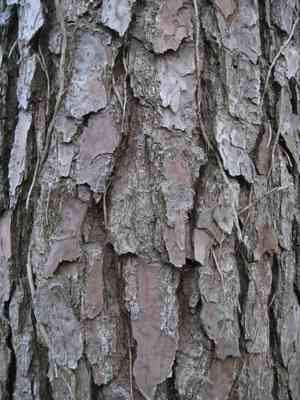
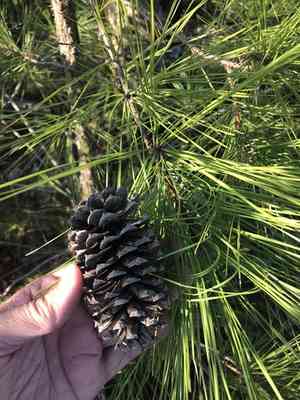
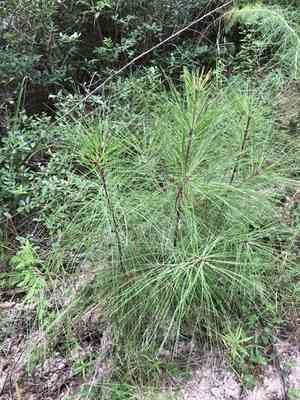
Quickly Identify Loblolly pine
1
Tall trunk, reaching 60-90 feet (18-27 meters), with a conical silhouette from needle-like leaves.
2
Distinctive cones: red to yellow male cones 1 inch (2.5 cm), yellow to purple female cones 2-3 inches (5-7.5 cm).
3
Fruit composed of 3-6 inch (7.6-15.2 cm) ovoid-cylindrical cones with rusty-brown color and sharply-spined scales.
4
Dark yellow-green needles in bundles of three, measuring 6-10 inches (15-25 cm) with toothed edges.
5
Sturdy, erect stems with a rough, grayish-brown bark, reaching up to 100 feet (30 meters) with tiered branches.
Scientific Classification of Loblolly pine
Phylum
Vascular plants
Class
Conifers
Order
Pines and allies
Family
Pine
Genus
Pines
Species
Loblolly pine
Planting and Growing of Loblolly pine
Care Difficulty
Easy
Watering Schedule
Every 2 days
Sunlight Requirements
Full sun
Sunshine Duration
4-8 hours
Ideal Temperature
60-80℉
Soil Type
Potting Mix, Peat Mix
Soil pH
4.5-7
Fertilizer Type
Balanced
Pruning Season
Spring, Summer
Pruning Area
Branches, Leaves
Pruning Frequency
2 times a year
Repotting Season
Spring
Pot Type
Plastic, Terracotta
 How to Water Loblolly pine?
When watering Pinus taeda, it's essential to ensure the water penetrates deeply into the soil. This tree prefers a thorough soaking to reach the deeper root systems rather than shallow watering. The goal is to moisten the soil at least down to a depth of 12 inches, mimicking the natural rainfall the plant would receive in its native environment.
More About Watering Techniques→
What are the symptoms of an underwatered Loblolly pine?
›
What should I do if my Loblolly pine is not getting enough water?
›
What are the symptoms of an overwatered Loblolly pine?
›
How to save an overwatered Loblolly pine?
›
 What Are the Sunlight Requirements for Loblolly pine?
Pinus taeda thrives in full sun, which helps ensure robust growth. Adequate light availability supports better needle production, improved photosynthesis, and an overall healthier tree.
More About Sunlight Requirements Techniques→
How much sunlight does Pinus taeda need?
›
What are the solutions to ensure Pinus taeda gets ideal sunlight?
›
What are the benefits of providing Pinus taeda with its ideal sunlight conditions?
›
 What Is the Ideal Temperature Range for Loblolly pine?
The ideal temperature range for Pinus taeda, commonly known as loblolly pine, lies between 60°F and 80°F. These temperatures support robust growth and ensure that the metabolic processes of the plant function efficiently. Ensuring consistent daily temperatures in this range will result in vigorous developmental progress, improved resistance to diseases, and better overall health.
 What Soil is Best for Loblolly pine?
Pinus taeda thrives in well-drained soils that prevent waterlogged conditions which can suffocate the roots. Well-drained soils ensure healthy root development and vigorous growth. A substrate rich in essential nutrients like nitrogen and potassium supports the evergreen foliage and robust trunk development, resulting in a healthy and resilient tree. This tree prefers soil with consistent moisture levels. Moisture retention without excessive wetness is essential for optimal nutrient absorption and overall plant health.
More About Soil→
 How to Fertilize Loblolly pine?
For Pinus taeda, use a balanced 10-10-10 NPK fertilizer. In sandy soils, apply at a rate of 1 pound per 100 square feet. In more fertile soils, reduce this rate to 0.5 pounds per 100 square feet to avoid excess nutrient availability.
 How to Prune Loblolly pine?
Start by inspecting the tree and identifying any dead or diseased branches. These should be pruned first to prevent any potential spread of disease and to rejuvenate the overall appearance of Pinus taeda. Trim the branches according to the desired shape, keeping the natural form of the tree in mind. Ensure to balance the structure by trimming evenly from all sides. This also helps in preventing wind damage by allowing wind to pass through the canopy.
More About Pruning Techniques→
 How to Propagate Loblolly pine plant?
1
Collect mature seeds from cones in late autumn when they have fully ripened. Remove seeds from cones, and soak them in water for 24 hours to improve germination rates by softening the seed coat.
2
Fill a seed tray with potting mix, and press seeds lightly into the surface. Cover them with a thin layer of sand or soil. Ensure the seeds are evenly spaced to prevent competition as they germinate.
3
Place the seed tray in a location with ample sunlight, maintaining a consistent temperature of around 21°C (70°F). Water regularly to keep the soil moist but not waterlogged, which aids in successful germination.
 How to Repot Loblolly pine plant?
1
Pinus taeda, or loblolly pine, should be repotted when its roots begin to encircle the pot or when growth slows down considerably. These are signs that the plant has outgrown its current home and needs more room to breathe. Spring or autumn, when the plant is not undergoing active growth stress, are ideal times for repotting.
2
Select a pot that is at least 2 inches larger in diameter than the current one. Ensure it has sufficient drainage holes, crucial for preventing waterlogging, which can lead to root rot. A slightly larger pot also gives the roots space to expand, promoting healthy growth for the next few years.
3
The ideal soil for repotting Pinus taeda is a well-draining acidic soil mix. This replicates the pine's natural setting and ensures that water doesn't retain excessively around the roots, which could lead to fungal infections. A blend enriched with pine bark and perlite is especially beneficial, providing the perfect blend of aeration and moisture retention.



