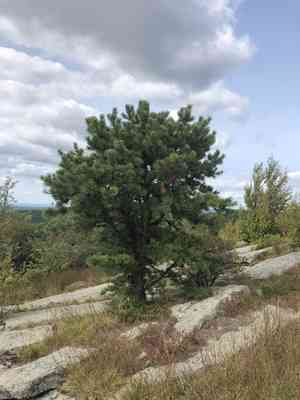
Pitch pine (Pinus rigida)
Also known as: Northern pitch pine, Candlewood pine, Yellow pine
The term "rigida" in the species name Pinus rigida highlights the tree's notably stiff needles. Historically, the Iroquois utilized its pitch for medicinal purposes, such as treating burns, cuts, and boils. Additionally, builders frequently used this pine in constructing ships and railways due to its decay-resistant, resin-rich wood.
In This Article
Attributes of Pitch pine
Lifespan
Perennial
Plant Type
Tree
Plant Height
6 m to 30 m
Spread
6 m to 12 m
Leaf Color
Green Gray Silver
Flower Size
8 cm to 15 cm
Flower Color
Yellow Green
Images of Pitch pine
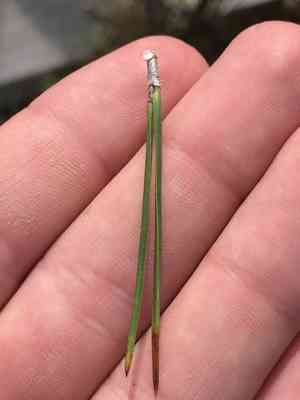
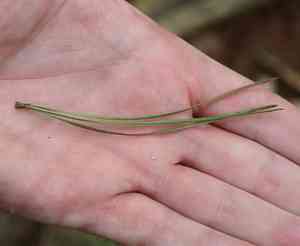
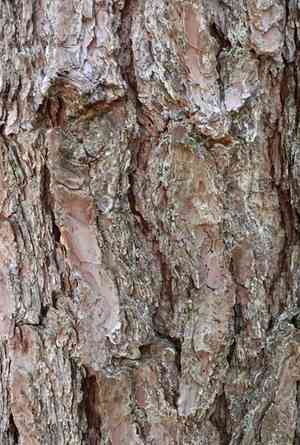

Quickly Identify Pitch pine
1
Needles group in threes, darkening from yellow-green to deep green, providing distinct foliage.
2
Bark starts reddish-brown and darkens to black, developing scaly texture over time.
3
Male flowers in yellow catkins, females in reddish-purple cones, crucial for seed production.
4
Fruit consists of light brown cones in whorls of 3-5, with stiff spines for texture.
5
Stem thick with gnarled texture, can grow pendulous, branches twisted for rugged appearance.
Scientific Classification of Pitch pine
Phylum
Vascular plants
Class
Conifers
Order
Pinales
Family
Pine
Genus
Pines
Species
Pitch pine
Planting and Growing of Pitch pine
Care Difficulty
Easy
Watering Schedule
Every day
Sunlight Requirements
Full sun
Sunshine Duration
6-10 hours
Ideal Temperature
50-70℉
Soil Type
Potting Mix, Peat Mix
Soil pH
4-7
Fertilizer Type
Balanced
Pruning Season
Spring, Summer
Pruning Area
Branches, Leaves
Pruning Frequency
2 times a year
Repotting Season
Spring
Pot Type
Plastic, Ceramic
 How to Water Pitch pine?
For Pinus rigida, the soil should be soaked thoroughly with about 500 ml of water each time. The principle is to ensure moisture reaches the root zone without waterlogging, mirroring its natural habitat where water is available periodically but not excessively.
What are the symptoms of an underwatered Pitch pine?
›
What should I do if my Pitch pine is not getting enough water?
›
What are the symptoms of an overwatered Pitch pine?
›
How to save an overwatered Pitch pine?
›
 What Are the Sunlight Requirements for Pitch pine?
Pinus rigida prefers full sun to partial sun. This degree of sunlight fosters healthy photosynthesis, promoting vigorous growth and resistance to environmental stress.
More About Sunlight Requirements Techniques→
Question 1: How much sun does Pinus rigida ideally need?
›
Question 2: What solutions ensure Pinus rigida receives ideal lighting?
›
Question 3: What are the benefits of providing ideal lighting to Pinus rigida?
›
 What Is the Ideal Temperature Range for Pitch pine?
The ideal temperature range for Pinus rigida, also known as Pitch Pine, is between 50°F and 70°F. This range provides optimal conditions for photosynthesis and metabolic activities. Maintaining a temperature within this range ensures healthy growth and robust development.
 What Soil is Best for Pitch pine?
Pinus rigida thrives in well-drained soils that prevent waterlogging, allowing roots to breathe and access essential nutrients, resulting in healthier growth. A soil rich in nutrients supports the vigorous growth of Pinus rigida by providing essential elements like nitrogen and phosphorus, crucial for photosynthesis and growth. While preferring well-drained soils, Pinus rigida also benefits from soils that retain some moisture to support it during dry spells, ensuring consistent hydration.
 How to Fertilize Pitch pine?
When fertilizing Pinus rigida, it is important not to overdo it. A balanced fertilizer ratio such as 10-10-10 or 16-4-8 is appropriate. Apply liquid fertilizers at half the recommended strength to prevent nutrient burn and ensure the soil maintains its natural pH balance, allowing for healthy growth.
 How to Prune Pitch pine?
Begin by identifying any dead, diseased, or broken branches, which should be removed with clean, sharp pruning shears. For shaping, focus on cutting back excessive growth to maintain the natural form of the tree. Cut each branch back to healthy green wood, ensuring not to trim more than one-third of the tree at a time to avoid stress. Keep the overall shape balanced by trimming more vigorously where growth is denser.
More About Pruning Techniques→
 How to Propagate Pitch pine plant?
1
Gather seeds from mature Pinus rigida cones. Ensure that the cones have fully matured by checking for browning and opening before collecting seeds to ensure viability.
2
Select healthy stems from a mature plant. Using sharp pruners, cut a 4 to 6-inch stem section. Remove any lower needles to expose a part of the stem for rooting.
3
In early spring, sow the seeds in seedling trays filled with a seed starter mix. Ensure even spacing, and cover with a light layer of soil, keeping the medium moist.
 How to Repot Pitch pine plant?
1
Pinus rigida shows it needs repotting when its roots start to emerge from drainage holes or circle the pot tightly. This usually indicates that the roots have filled the existing space, restricting the plant’s growth. Additionally, if you notice the soil becoming compacted or water not draining as efficiently, it's a sign that repotting is needed.
2
Select a pot that is one size larger than the current one, with excellent drainage. A larger pot ensures that new roots have room to grow and spread comfortably. The pot should also be made of a breathable material like terracotta, which helps in preventing root rot by allowing moisture to evaporate.
3
Opt for a well-draining, sandy soil mix specifically designed for pine trees. This type of soil mimics the plant's natural habitat, providing proper aeration and preventing waterlogging, which can lead to root rot. It supports healthy growth by ensuring nutrients are retained while excess water drains away efficiently.



