Balkan pine (Pinus peuce)
Also known as: Macedonian Pine, Balkan Pine
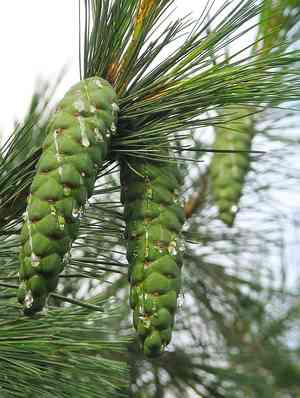
Pine cones typically range in size from 8 to 16 cm, with some reaching up to 20 cm. Initially green, they turn yellow-brown upon maturity and feature broad, flat, or slightly downcurved scales. The seeds measure about 6 to 7 mm in length and are equipped with a 2 cm wing, making wind dispersal possible. Additionally, these seeds are frequently spread by animals such as spotted nutcrackers, which collect and cache them.
In This Article
Attributes of Balkan pine
Lifespan
Perennial
Plant Type
Tree
Plant Height
9 m to 18 m
Spread
6 m to 9 m
Leaf Color
Green Blue
Flower Size
8 cm to 15 cm
Flower Color
Yellow Red Brown
Images of Balkan pine
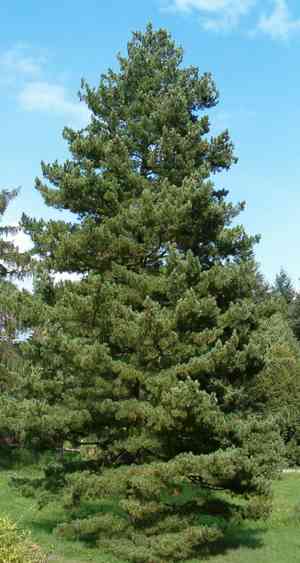
Quickly Identify Balkan pine
1
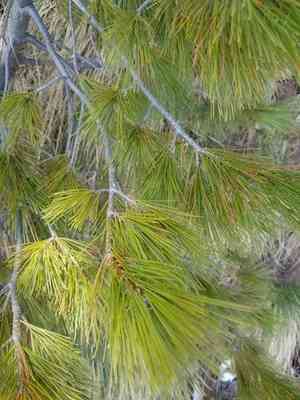
Long needles, up to 4 inches (10 cm), dark green color.
2
Distinct dark green upper surface, grayish-green underside on leaves.
3
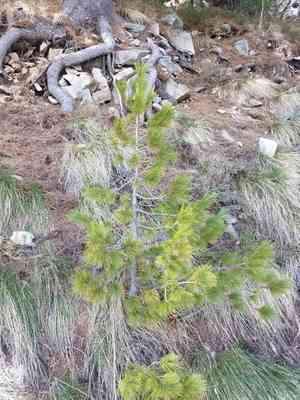
Conical growth habit with symmetrical, pyramidal crown.
4
Slender cones, 5-10 inches (13-25 cm) in length, hanging.
5
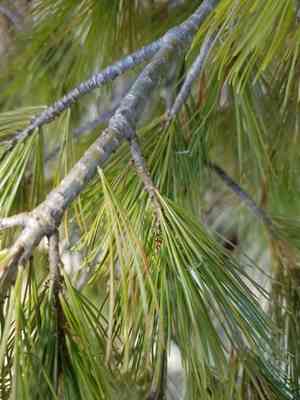
Smooth, silvery-gray bark in youth, transitioning to rugged texture with age.
Scientific Classification of Balkan pine
Phylum
Vascular plants
Class
Conifers
Order
Pinales
Family
Pine
Genus
Pines
Species
Balkan pine
Planting and Growing of Balkan pine
Care Difficulty
Easy
Watering Schedule
Every 3 days
Sunlight Requirements
Full sun
Sunshine Duration
6-10 hours
Ideal Temperature
50-68℉
Soil Type
Potting Mix, Peat Mix
Soil pH
6-7.5
Fertilizer Type
Balanced
Pruning Season
Spring, Summer
Pruning Area
Branches, Leaves
Pruning Frequency
Once a year
Repotting Season
Spring
Pot Type
Plastic, Ceramic
 How to Water Balkan pine?
The watering amount for Pinus peuce should be generous but not excessive, adhering to the principle of maintaining moist yet well-drained soil. Typically, watering about 500 milliliters per session is sufficient, allowing the soil to be moist but not waterlogged, ensuring the roots get the hydration they need without risking root rot.
What are the symptoms of an underwatered Balkan pine?
›
What should I do if my Balkan pine is not getting enough water?
›
What are the symptoms of an overwatered Balkan pine?
›
How to save an overwatered Balkan pine?
›
 What Are the Sunlight Requirements for Balkan pine?
Pinus peuce prefers full sun to partial sun, meaning it should ideally receive 6 to 8 hours of sunlight daily. Adequate light ensures vigorous growth, vibrant needle color, and heightened disease resistance.
What is the ideal lighting for Pinus peuce?
›
How can I ensure Pinus peuce receives optimal light?
›
What are the benefits of ideal lighting for Pinus peuce?
›
 What Is the Ideal Temperature Range for Balkan pine?
The ideal temperature range for Pinus peuce is between 50°F and 68°F. This range ensures the plant can perform photosynthesis effectively and maintain healthy growth. Maintaining temperatures within this range helps in optimizing metabolic processes and preventing stress-related symptoms.
 What Soil is Best for Balkan pine?
Pinus peuce thrives in nutrient-rich soil that supports healthy root development and vigorous growth. A well-fertilized environment ensures that the tree receives the essential minerals and nutrients it needs to maintain its dense foliage and strong, upright structure, improving overall resilience. This species requires soil with excellent drainage to prevent root rot. Waterlogged conditions can lead to root decay and stunted growth. By ensuring well-drained soil, such as sandy loam, you allow the roots to access oxygen, promoting robust growth and long-lasting health. Pinus peuce prefers slightly acidic soil conditions, with a pH ranging from 6.0 to 7.5. This pH range enhances nutrient availability and absorption, optimizing photosynthesis and metabolic processes, which are critical for the tree's survival in various climates.
 How to Fertilize Balkan pine?
For Pinus peuce, the fertilizer amount should be moderate. When using liquid fertilizer, dilute it to half-strength. A good guideline is to apply around half a cup per tree for liquid fertilizers and approximately half a pound per tree annually for solid slow-release fertilizers.
 How to Prune Balkan pine?
Begin by removing any dead, diseased, or damaged branches using clean, sharp pruning shears. Focus on the lower branches first to open up the interior for better air circulation. Next, shape the tree by cutting back branches that are crossing or rubbing against each other. Finish by trimming the outermost branches to maintain the preferred shape and size of the tree. To shape the canopy, identify the central leader of the tree and keep it intact for vertical growth. Carefully prune the lateral branches to maintain a balanced shape. Avoid cutting too much of the foliage as this can stress the tree. Instead, make small, thoughtful cuts to gradually achieve the desired form, maintaining a natural appearance.
More About Pruning Techniques→
 How to Propagate Balkan pine plant?
1
Fill the seed tray with a well-draining soil mix, rich in organic material to mimic natural conditions. Ensure the soil is damp but not waterlogged to avoid mold growth, which could harm the seeds.
2
Place the seeds evenly across the tray surface, gently pressing them into the soil. Cover lightly with a thin layer of soil and mist with water daily to maintain adequate moisture.
3
Position the tray in a warm location with indirect sunlight. Maintain a consistent temperature around 20°C (68°F) to promote germination, which can take several weeks.
 How to Repot Balkan pine plant?
1
The ideal time to repot Pinus peuce is when you notice roots growing through the drainage holes or when the plant appears to be root-bound. Additionally, if the growth of the plant has significantly slowed, it might be time for a new pot.
2
Select a pot that is one size larger than the current one and has plenty of drainage holes. Using the right-sized pot ensures that the pine has sufficient room for growth and helps prevent waterlogging, which can lead to root rot.
3
Opt for a well-draining acidic soil mix, preferably one that contains a blend of peat, sand, and small stones. This composition mimics the plant's natural habitat, providing adequate drainage and preventing root rot.



