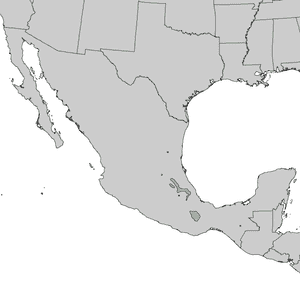
Mexican weeping pine (Pinus patula)
Also known as: Mexican yellow pine, Jelecote pine
The Mexican weeping pine, scientifically known as Pinus patula, is indigenous to Mexico. It is frequently utilized in reforestation efforts due to its moderate drought resistance and ability to endure brief episodes of freezing temperatures.
In This Article
Attributes of Mexican weeping pine
Lifespan
Perennial
Plant Type
Tree
Plant Height
50 m
Spread
18 m
Leaf Color
Green
Flower Size
N/A
Flower Color
Yellow Green Brown
Images of Mexican weeping pine
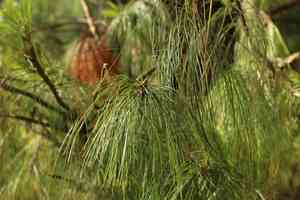



Quickly Identify Mexican weeping pine
1
Identifying Pinus patula can be done by observing its distinctive weeping branches, long, slender needles that droop gracefully, and its bark which is smooth and gray when young but becomes rougher with age. The cones are elongated and can be up to 12 cm long.
Scientific Classification of Mexican weeping pine
Phylum
Vascular plants
Class
Conifers
Order
Pinales
Family
Pine
Genus
Pines
Species
Mexican weeping pine
Planting and Growing of Mexican weeping pine
Care Difficulty
Hard
Watering Schedule
Every 2 days
Sunlight Requirements
Full sun
Sunshine Duration
6-12 hours
Ideal Temperature
60-75℉
Soil Type
Potting Mix, Peat Mix
Soil pH
5.5-7.5
Fertilizer Type
Balanced
Pruning Season
Spring, Summer
Pruning Area
Branches, Leaves
Pruning Frequency
2 times a year
Repotting Season
Spring
Pot Type
Plastic, Ceramic
 How to Water Mexican weeping pine?
For Pinus patula, a general guideline is to water until the soil is moist but not soggy. Typically, this means around 1000 ml per watering session, depending on the plant's size and soil type. The goal is to keep the soil evenly moist, mimicking its natural environment, but avoiding waterlogged conditions that could harm the roots.
What are the symptoms of an underwatered Mexican weeping pine?
›
What should I do if my Mexican weeping pine is not getting enough water?
›
What are the symptoms of an overwatered Mexican weeping pine?
›
How to save an overwatered Mexican weeping pine?
›
 What Are the Sunlight Requirements for Mexican weeping pine?
Pinus patula ideally grows in environments experiencing full sun or partial sun. Adequate lighting enhances its growth, vitality, and resistance to environmental stresses, making it an impressive addition to any landscape.
More About Sunlight Requirements Techniques→
How much light does Pinus patula need?
›
How to ensure ideal lighting for Pinus patula?
›
What are the benefits of ideal lighting for Pinus patula?
›
 What Is the Ideal Temperature Range for Mexican weeping pine?
Pinus patula thrives in moderate climates with an ideal temperature range between 60°F and 75°F. This range ensures optimal cellular functions, photosynthesis rates, and growth. Maintaining this temperature range will ensure the pine's longevity and resilience against diseases.
 What Soil is Best for Mexican weeping pine?
Pinus patula thrives in well-drained soils that prevent waterlogging, which can lead to root rot. Proper drainage allows the roots to access oxygen effectively, promoting healthy growth. This pine species benefits from soil rich in organic matter, which provides essential nutrients needed for robust growth. Fertile soil supports larger, healthier trees with a better needle retention. While Pinus patula prefers a moist environment, it requires soil that maintains moisture without becoming oversaturated. This balance helps sustain efficient photosynthesis and reduces stress during dry spells.
 How to Fertilize Mexican weeping pine?
Pinus patula, or the Mexican weeping pine, appreciates moderate fertilization. Use balanced fertilizers with a ratio of around 10-10-10 (N-P-K) during the growing season. For liquid fertilizers, dilute it to half strength to avoid damage to the roots.
 How to Prune Mexican weeping pine?
Ensure you use clean, sharp pruning shears or a small saw for larger branches. Clean tools make precise cuts and reduce the risk of transmitting diseases. Disinfect tools before and after use. Focus on removing dead, diseased, or damaged branches first. Pinus patula benefits from removing these to redirect energy to healthier growth. Look for branches that rub against each other as they can create wounds. Make cuts at a slight angle, just above a node or bud, to promote new growth. Avoid cutting too close as it might damage the growth point. Proper cuts heal better and faster.
More About Pruning Techniques→
 How to Propagate Mexican weeping pine plant?
1
Gather mature seeds from cones, clean them thoroughly to remove any debris, and soak them in water for 24 hours. This helps to soften the seed coat and encourages germination.
2
Place the seeds in a damp paper towel and refrigerate for 4-6 weeks. This cold treatment mimics the winter season, breaking dormancy and enhancing germination rates.
3
After stratification, sow the seeds in a seed tray filled with potting mix. Cover lightly with soil, water gently, and keep in a warm, bright place. Maintain consistent moisture for successful sprouting.
 How to Repot Mexican weeping pine plant?
1
Pinus patula shows it requires repotting when the roots begin to circle the pot, indicating it's becoming pot-bound. Another sign is when the plant's growth slows or its needles turn yellow, suggesting nutrient deficiency due to compacted soil. Conduct repotting during its active growth phase in spring to summer for optimal recovery.
2
Select a pot that is only slightly larger than the current one, with good drainage holes to prevent waterlogging, which can cause root rot. A clay or terracotta pot is ideal as it allows for better airflow and moisture regulation around the roots.
3
Opt for well-draining sandy loam soil enriched with organic matter, which provides the necessary drainage to prevent root rot. This soil type also retains enough moisture and nutrients, supporting the healthy growth of Pinus patula.



