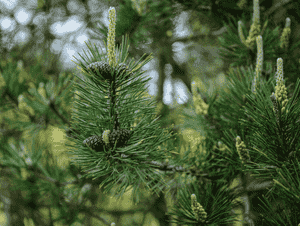
Mugo pine (Pinus mugo)
Also known as: Creeping pine
The Mugo Pine (Pinus mugo), native to Europe, is favored for landscaping because of its manageable size and pleasant pine fragrance.
In This Article
Attributes of Mugo pine
Lifespan
Perennial
Plant Type
Shrub
Plant Height
20 m
Spread
6 m to 9 m
Leaf Color
Green
Flower Size
2.5 cm to 8 cm
Flower Color
Yellow Green Red Gray Black Silver
Images of Mugo pine
Quickly Identify Mugo pine
1
Needles in pairs, 1-3 inches (2.5-7.6 cm), medium to dark green, staying on plant for years.
2
Female cones gray-brown, 1-2.5 inches long (2.5-6.4 cm), ripen in fall.
3
Male pollen cones greenish-yellow, 0.25 inches (0.6 cm) long, aiding cross-pollination.
4
Distinct bark with irregular plates, grayish-brown color, rugged appearance in mature specimens.
5
Stems with dense needles, oblong buds, candle-like new growth, and reddish-brown scales.
Scientific Classification of Mugo pine
Phylum
Vascular plants
Class
Conifers
Order
Pinales
Family
Pine
Genus
Pines
Species
Mugo pine
Planting and Growing of Mugo pine
Care Difficulty
Easy
Watering Schedule
Every 2 days
Sunlight Requirements
Full sun
Sunshine Duration
10-12 hours
Ideal Temperature
50-75℉
Soil Type
Potting Mix, Peat Mix
Soil pH
6-7.5
Fertilizer Type
Balanced
Pruning Season
Spring, Summer
Pruning Area
Branches, Leaves
Pruning Frequency
2 times a year
Repotting Season
Spring
Pot Type
Plastic, Ceramic
 How to Water Mugo pine?
For Pinus mugo, ensure 500 ml of water reaches the root zone. Water must deeply penetrate the soil to keep it moderately moist, without waterlogging, to maintain ideal root health.
More About Watering Techniques→
What are the symptoms of an underwatered Mugo pine?
›
What should I do if my Mugo pine is not getting enough water?
›
What are the symptoms of an overwatered Mugo pine?
›
How to save an overwatered Mugo pine?
›
 What Are the Sunlight Requirements for Mugo pine?
Pinus mugo thrives in full sun to partial sun, which promotes optimal growth, health, and a dense, compact form that enhances its ornamental value.
More About Sunlight Requirements Techniques→
Why does Pinus mugo need full sun?
›
How to ensure Pinus mugo gets enough sunlight?
›
Benefits of proper sunlight for Pinus mugo?
›
 What Is the Ideal Temperature Range for Mugo pine?
The ideal temperature range for Pinus mugo lies between 50°F and 75°F. This range helps the plant to efficiently carry out its physiological processes, thus ensuring healthy growth. Within this range, the rate of photosynthesis, nutrient uptake, and other metabolic activities are at their optimum levels.
 What Soil is Best for Mugo pine?
Pinus mugo thrives in well-drained soils as it prevents waterlogging, which is vital for root health and avoiding root rot. These conditions ensure adequate air circulation around the roots, supporting optimal growth. A nutrient-rich soil is crucial for the healthy growth of Pinus mugo. Nutrients such as nitrogen, phosphorus, and potassium aid in robust foliage and stronger root development, contributing to the resilience of the plant. Pinus mugo prefers moderately acidic soils, which facilitate the absorption of essential minerals and nutrients. This acidity helps maintain optimal metabolic functions within the plant, enhancing its overall vigor.
More About Soil→
 How to Fertilize Mugo pine?
Pinus mugo, also known as Mugo Pine, requires a balanced amount of nutrients to thrive. For liquid fertilizers, use a water-soluble fertilizer with a balanced N-P-K ratio, typically around 20-20-20. Dilute it according to the manufacturer's instructions and use approximately one tablespoon per gallon of water.
 How to Prune Mugo pine?
Begin by cutting away any dead or diseased branches. This not only improves the plant's appearance but also prevents the spread of diseases. Identify and thin out overly dense areas in the canopy to improve air circulation and sunlight penetration, which promotes healthy growth. For a more compact shape, pinch back the tips of new growth candles in spring. This helps maintain desirable form and encourages fuller branching.
More About Pruning Techniques→
 How to Propagate Mugo pine plant?
1
Harvest ripe cones from the Pinus mugo trees and extract the seeds. It's crucial to ensure the seeds are mature, which generally occurs in late summer or autumn when the cones naturally open.
2
For cutting propagation, select a healthy branch and cut a 10-15 cm segment just below a node. Remove the lower leaves and dip the cut end in rooting hormone. This process helps to stimulate root growth once planted.
3
Choose a healthy, young rootstock and make a T-cut on it. Insert a prepared scion from Pinus mugo into the cut, secure it, and cover with grafting tape. Grafting is typically done in early spring to allow the union to heal as the plant begins active growth.
 How to Repot Mugo pine plant?
1
Pinus mugo signals its need for repotting when its roots begin to protrude from the bottom of the pot, or if you notice a decline in growth or needle health. The best times to repot are during the early Spring or Autumn, when the plant is not actively growing and can handle the stress of repotting without adverse effects.
2
Choose a pot that is slightly larger than the current one to accommodate new growth. Ensure it has ample drainage holes to prevent waterlogging, which can lead to root rot. Using a clay or ceramic pot can provide stability for the plant, benefiting its root system by offering consistency in temperatures.
3
Select a well-drained, acidic soil mix to mirror the Pinus mugo's natural environment. Soil with sufficient aeration and water retention balance will support healthy root development and promote robust plant growth while preventing compaction that can smother roots.



