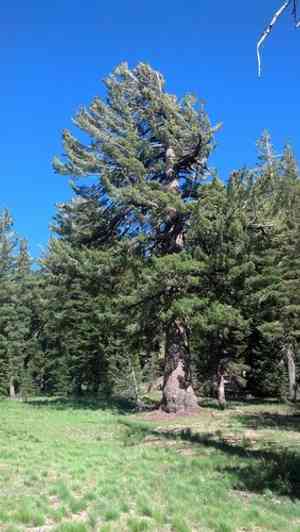
Western white pine (Pinus monticola)
Also known as: Mountain white pine, California mountain pine
The Sugar Pine (Pinus lambertiana) is a sizable tree with notably large pine cones. It is native to the mountainous regions of the western United States. This tree is closely related to the Eastern White Pine, which is found in the eastern United States.
In This Article
Attributes of Western white pine
Lifespan
Perennial
Plant Type
Tree
Plant Height
30 m to 70 m
Spread
8 m
Leaf Color
Green Blue White
Flower Size
15 cm
Flower Color
Yellow Green Brown Gold
Images of Western white pine
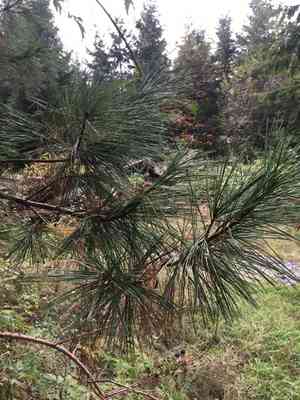
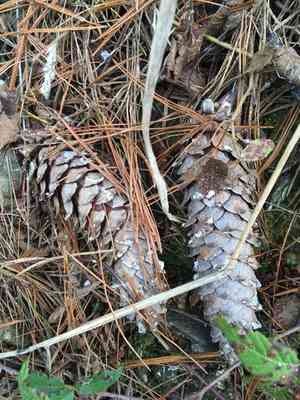
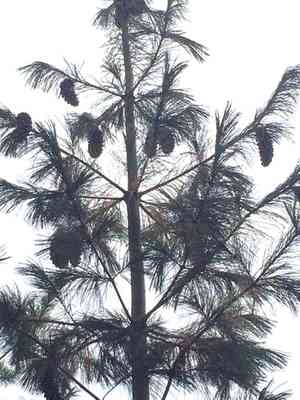
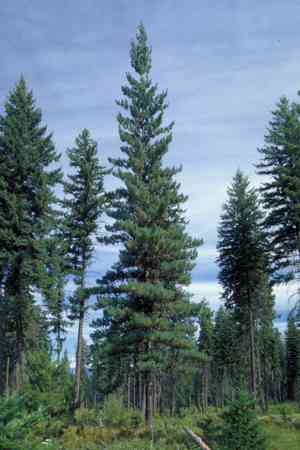
Quickly Identify Western white pine
1
Towering height, reaching up to 100 feet (30 meters), with a conical crown.
2
Distinctive five fascicles of stiff, blue-green needles, each 1.6 to 4 inches (4 to 10 cm) long.
3
Seed cones taking two years to mature, tannish-brown to yellowish, spanning 4 to 5 inches (10 to 13 cm) in length.
4
Fruit as sizable, cylindrical cones, 5 to 12 inches (12.7 to 30.5 cm) long, with reddish-brown seeds.
5
Needles shed in the first year, medium-sized, straight, pliable, blue-green, with 4 to 5 white stomatal lines.
Scientific Classification of Western white pine
Phylum
Vascular plants
Class
Conifers
Order
Pinales
Family
Pine
Genus
Pines
Species
Western white pine
Planting and Growing of Western white pine
Care Difficulty
Hard
Watering Schedule
Every 2 days
Sunlight Requirements
Full sun
Sunshine Duration
6-12 hours
Ideal Temperature
45-75℉
Soil Type
Potting Mix, Peat Mix
Soil pH
5.5-7
Fertilizer Type
Balanced
Pruning Season
Spring, Summer
Pruning Area
Branches, Leaves
Pruning Frequency
2 times a year
Repotting Season
Spring
Pot Type
Terracotta, Plastic
 How to Water Western white pine?
When watering Pinus monticola, it is important to ensure the soil is thoroughly saturated but not waterlogged. Generally, applying around 500ml per session is sufficient, ensuring that the water reaches the deeper roots. The water should penetrate the soil to a depth of at least 6 inches, demonstrating proper hydration without drowning the roots.
What are the symptoms of an underwatered Western white pine?
›
What should I do if my Western white pine is not getting enough water?
›
What are the symptoms of an overwatered Western white pine?
›
How to save an overwatered Western white pine?
›
 What Are the Sunlight Requirements for Western white pine?
This species thrives best in environments offering full to partial sunlight, providing health benefits such as increased vigor and disease resistance due to plenty of energy produced through photosynthesis.
More About Sunlight Requirements Techniques→
What type of sunlight is ideal?
›
How can I ensure my tree gets enough sunlight?
›
What are the benefits of ideal light conditions?
›
 What Is the Ideal Temperature Range for Western white pine?
The ideal temperature range for Pinus monticola, commonly known as Western White Pine, is between 45°F to 75°F. This range supports optimal cellular functions and photosynthesis, contributing to healthy growth and vibrant foliage. Planting these pines in areas where this temperature range is prevalent ensures they thrive.
 What Soil is Best for Western white pine?
Pinus monticola thrives in well-drained soil, preventing waterlogging that can hinder root oxygenation. This environment ensures the roots are healthy and active, promoting vigorous growth and robust resilience against pests and diseases. A soil rich in organic matter benefits Pinus monticola by providing essential nutrients for growth. This enriches the tree’s foliage, enhancing its overall vibrancy and ability to photosynthesize efficiently. Moderate moisture retention is key for Pinus monticola, ensuring the soil does not dry out too quickly. This balance is crucial for sustaining the tree during dry spells, aiding in maintaining hydration levels essential for metabolic processes.
 How to Fertilize Western white pine?
When fertilizing Pinus monticola, it's best to use a balanced, well-diluted liquid fertilizer. The typical amount should be about 1/4 of the recommended dose on the fertilizer label to prevent nutrient burn, especially for younger plants.
 How to Prune Western white pine?
Start by carefully inspecting Pinus monticola to identify any dead, diseased, or damaged branches. Removing these branches enhances the tree's appearance and overall health. When cutting branches, ensure you are doing so at a slight angle just above a healthy bud or branch junction. This promotes proper healing and encourages new growth. Maintain the natural shape of the Pinus monticola while pruning. Aim to create an even and balanced appearance by selectively trimming branches that disrupt its natural silhouette.
More About Pruning Techniques→
 How to Propagate Western white pine plant?
1
Collect seeds from mature cones in autumn. Allow them to dry naturally before extracting and cleaning the seeds for storage or immediate stratification.
2
Stratify seeds by placing them in a moist medium like sand or vermiculite in a refrigerator for 60 to 90 days to break dormancy, mimicking winter conditions.
3
After stratification, sow seeds in a prepared soil mix in pots or trays. Place them in a location receiving dappled sunlight, keeping the soil consistently moist but not waterlogged.
 How to Repot Western white pine plant?
1
Pinus monticola requires repotting when you notice roots emerging from the drainage holes or when growth seems stunted, indicating limited space for root expansion. Springtime offers the best conditions, before new growth starts, ensuring the plant has ample time to adjust to its new environment throughout the growing season.
2
Choose a pot that is slightly larger than the current one but provides extra drainage holes. A pot with good drainage is crucial because it prevents water from becoming stagnant, reducing the risk of root rot. Opt for unglazed clay pots that allow for better air movement to the roots, offering stability to the tall structure of Pinus monticola.
3
The optimal soil for Pinus monticola is well-draining sandy loam. This type of soil provides adequate drainage and prevents moisture retention that could lead to fungal diseases. A mix enriched with organic matter also supports nutrient availability to encourage healthy pine growth and resistance to environmental stresses.



