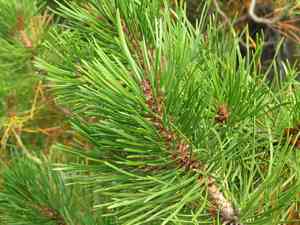
Lodgepole pine (Pinus contorta)
Also known as: Shore pine, Contorta pine, Western scrub pine, Knotty pine, White pine, Sand shore pine
The Lodgepole Pine (Pinus contorta), native to western North America, is notable for its impressive lifespan, with some trees surpassing 600 years. Native Americans frequently used this tree for constructing lodgepoles, reflecting its significant role in their daily life.
In This Article
Attributes of Lodgepole pine
Lifespan
Perennial
Plant Type
Tree
Plant Height
25 m
Spread
8 m
Leaf Color
Green Yellow
Flower Size
Not applicable (coniferous tree)
Flower Color
Yellow Purple Red Lavender Burgundy Gold
Images of Lodgepole pine
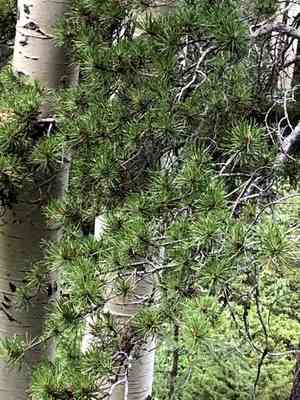
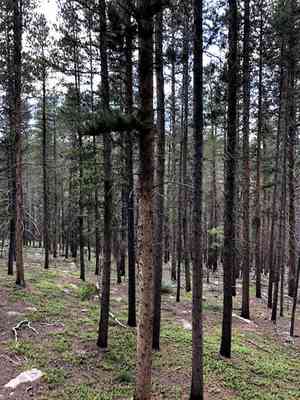
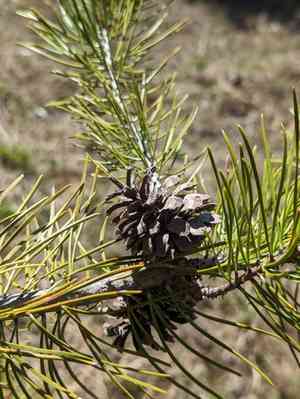
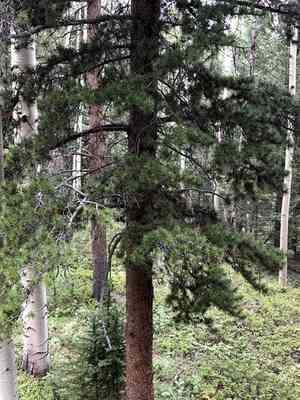
Quickly Identify Lodgepole pine
1
Irregular, twisted trunk with scaly bark in grayish-brown to dark brown hues.
2
Needles in pairs, green, 1.5 to 3 inches (4 to 8 cm) long, twisted, in small sheathes.
3
Egg-shaped cones angled backwards on branches, light brown to brown, 1-2 inches (2.5-5 cm).
4
Male flowers yellow, cylindrical, 1 inch (2.5 cm); Female flowers reddish-purple, 0.75-1 inch (1.9-2.5 cm).
5
Resinous, orangish-brown stem with narrow, ovoid buds; Bark thin, scaly in various colors.
Scientific Classification of Lodgepole pine
Phylum
Vascular plants
Class
Conifers
Order
Pinales
Family
Pine
Genus
Pines
Species
Lodgepole pine
Planting and Growing of Lodgepole pine
Care Difficulty
Easy
Watering Schedule
Every 2 days
Sunlight Requirements
Full sun
Sunshine Duration
6-10 hours
Ideal Temperature
50-68℉
Soil Type
Potting Mix, Peat Mix
Soil pH
4.5-7.5
Fertilizer Type
Balanced
Pruning Season
Spring, Summer
Pruning Area
Branches, Leaves
Pruning Frequency
2 times a year
Repotting Season
Spring
Pot Type
Terracotta, Plastic
 How to Water Lodgepole pine?
For Pinus contorta, ensure that the soil is moist but not soggy. Water it thoroughly until the water drains through the bottom of the pot. This prevents waterlogging and enhances root absorption effectively.
What are the symptoms of an underwatered Lodgepole pine?
›
What should I do if my Lodgepole pine is not getting enough water?
›
What are the symptoms of an overwatered Lodgepole pine?
›
How to save an overwatered Lodgepole pine?
›
 What Are the Sunlight Requirements for Lodgepole pine?
Pinus contorta thrives in full sun, receiving 6-8 hours daily. Ideal lighting conditions support better growth and increase resilience against environmental stressors, ensuring the plant remains robust and healthy.
More About Sunlight Requirements Techniques→
What is the ideal lighting condition for Pinus contorta?
›
How can I provide ideal lighting conditions?
›
Benefits of ideal lighting
›
 What Is the Ideal Temperature Range for Lodgepole pine?
The ideal temperature range for Pinus contorta is between 50°F and 68°F. This range provides optimal conditions for growth and health, ensuring that photosynthesis, respiration, and other metabolic processes occur efficiently. Maintaining temperatures within this range helps the plant maintain vigor and resist pests and diseases.
 What Soil is Best for Lodgepole pine?
Pinus contorta thrives in well-drained soils that prevent waterlogging, which can damage roots and impede growth. A well-structured sandy or loamy soil ensures proper drainage and supports healthy root development, which is crucial for the tree's stability and nutrient uptake. This pine species often grows in nutrient-poor soils. Its evolutionary adaptability allows it to securely anchor in less fertile environments, which minimizes competition from other plants. Such soil supports the tree by reducing the risk of disease and encouraging stronger resilience. Pinus contorta can tolerate acidic soils, with pH levels as low as 4.5. This tolerance allows the tree to thrive in forested areas where organic matter decomposes and acidifies the soil, ensuring its adaptability to a variety of natural environments.
More About Soil→
 How to Fertilize Lodgepole pine?
For Pinus contorta, apply liquid fertilizers at half the recommended strength. An overzealous approach can lead to salt buildup in the soil, which can be harmful. Typically, a concentration of 1 teaspoon of liquid fertilizer per gallon of water is sufficient, ensuring even distribution over the root system.
 How to Prune Lodgepole pine?
Start by pinpointing any dead, diseased, or damaged branches that need removal. This step is critical as it prevents the spread of disease and helps the tree to direct energy to healthy areas. Trim any interior branches that are overly crowded or crossing over each other. This promotes better air circulation and light penetration, which are essential for the prevention of fungal diseases and for optimal photosynthesis. When shaping Pinus contorta, keep its natural form in mind. Remove any wayward branches that detract from the tree's natural conical shape, but do so by following the branch back to a healthy, supporting branch. This helps the tree maintain its aesthetic appeal without compromising its structural integrity.
More About Pruning Techniques→
 How to Propagate Lodgepole pine plant?
1
Begin by collecting seeds from mature cones. Extract the seeds and remove any debris. Sow seeds in trays filled with a mix of sand and peat. Cover them lightly with soil and water gently, maintaining consistent moisture until germination.
2
Select healthy, disease-free branches for cuttings. Cut 5-7 inch segments with a sterilized pruning shear. Dip the cut ends in rooting hormone to enhance root development, then plant them in a well-draining potting mix.
3
Choose a healthy rootstock and scion for grafting. Use a clean, sharp knife to make precise cuts. Align the cambium layers of the scion and rootstock, secure them together with grafting tape, and place in a controlled environment to ensure successful union.
 How to Repot Lodgepole pine plant?
1
Pinus contorta should be repotted when you notice root circling or when it becomes root-bound. Typically, this will be evident as roots begin to grow through drainage holes, or if the growth seems stunted. Spring and autumn provide the optimal conditions as the plant is less stressed by heat or cold.
2
Select a pot that is 2-3 inches larger in diameter than the current one. The benefit of choosing a slightly larger pot is that it allows the roots more space to expand, providing a chance for the plant to grow more robustly. Ensure the pot has good drainage to prevent waterlogging.
3
Opt for a well-draining, sandy loam soil mix. A suitable mix will allow excess water to drain quickly, preventing root rot. The soil should also be nutrient-rich to provide ongoing nourishment to the plant, considering Pinus contorta prefers somewhat acidic conditions.



