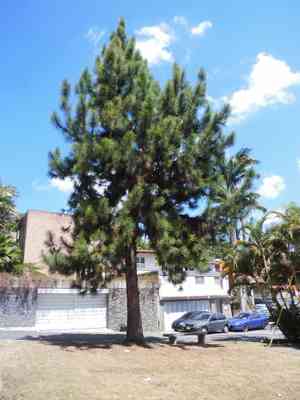
Caribbean pine (Pinus caribaea)
Also known as: Cuban pine
The Caribbean pine (Pinus caribaea) is a hardy conifer recognized for its straight trunk and initially pyramidal crown, which tends to round out as the tree matures. Its defining features include long, slender needles usually found in bundles of 2-3 and sizable, woody cones. This species flourishes in tropical climates, demonstrating significant resilience to strong winds and thriving in sandy or nutrient-deficient soils. Its adaptability extends to surviving harsh environmental conditions, including fire and drought, making it a versatile and robust tree.
In This Article
Attributes of Caribbean pine
Lifespan
Perennial
Plant Type
Tree
Plant Height
20-35 meters
Spread
8-12 meters
Leaf Color
Green
Flower Size
N/A (Coniferous trees do not have traditional flowers)
Flower Color
N/A (Coniferous trees do not have traditional flowers)
Images of Caribbean pine
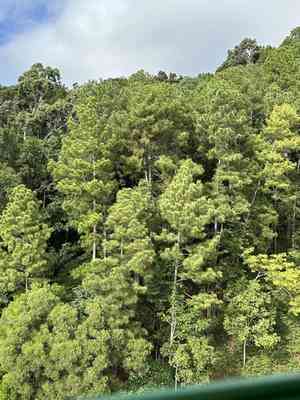
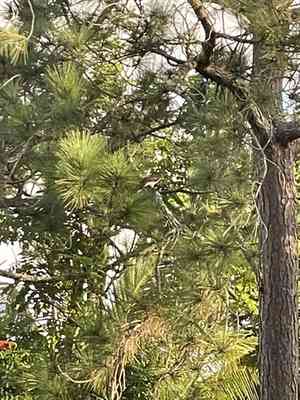
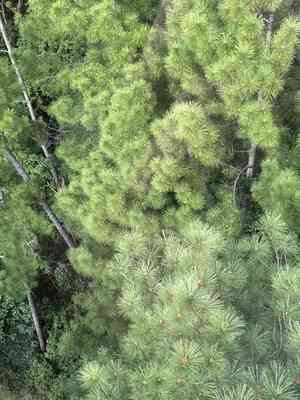
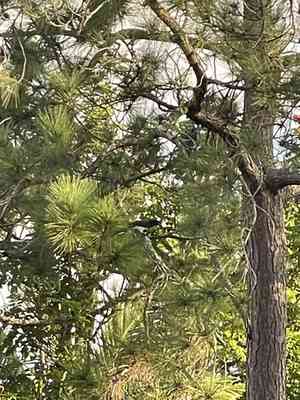
Quickly Identify Caribbean pine
1
The Caribbean Pine can be identified by its long, slender needles that grow in bundles of three. The tree has a rough, reddish-brown bark and produces oval-shaped cones.
Scientific Classification of Caribbean pine
Phylum
Vascular plants
Class
Conifers
Order
Pinales
Family
Pine
Genus
Pines
Species
Caribbean pine
Planting and Growing of Caribbean pine
Care Difficulty
Moderate
Watering Schedule
Every 2 days
Sunlight Requirements
Full sun
Sunshine Duration
6-10 hours
Ideal Temperature
68-86℉
Soil Type
Potting Mix, Peat Mix
Soil pH
4.5-7
Fertilizer Type
Balanced
Pruning Season
Spring, Summer
Pruning Area
Branches, Leaves
Pruning Frequency
2 times a year
Repotting Season
Spring
Pot Type
Ceramic, Plastic
 How to Water Caribbean pine?
Pinus caribaea prefers moderately moist soil. When watering, aim for the soil to be moist but not soaking. This generally means about 500 ml of water per session, allowing the top inch of soil to dry before watering again. Ensure the water reaches the root zone effectively.
What are the symptoms of an underwatered Caribbean pine?
›
What should I do if my Caribbean pine is not getting enough water?
›
What are the symptoms of an overwatered Caribbean pine?
›
How to save an overwatered Caribbean pine?
›
 What Are the Sunlight Requirements for Caribbean pine?
Full sun, receiving 6 to 8 hours of sunlight daily, is ideal for Pinus caribaea. This promotes efficient photosynthesis, ensuring lush foliage and robust growth across seasons.
Optimal Light Duration
›
Creative Shadows
›
Window Positioning
›
 What Is the Ideal Temperature Range for Caribbean pine?
The ideal temperature range for Pinus caribaea, commonly known as Caribbean pine, is between 68°F and 86°F. In this temperature range, the plant experiences optimal growth and health. This range ensures that the plant's physiological processes, like photosynthesis and nutrient uptake, are functioning efficiently. Maintaining this range promotes vigorous growth and helps the plant thrive in its environment.
 What Soil is Best for Caribbean pine?
Pinus caribaea thrives in well-drained soil as it prevents waterlogging which can lead to root rot. This drainage capability ensures that the plant's roots receive the necessary air and nutrients, promoting robust growth. Nutrient-rich soil is vital for Pinus caribaea, ensuring that the plant has access to essential minerals and nutrients required for photosynthesis and growth. Fertile soil supports strong and healthy foliage. A pH ranging from slightly acidic to neutral is ideal for Pinus caribaea, as it optimizes nutrient availability and uptake, thus supporting vigorous growth and maintaining lush, green needles.
 How to Fertilize Caribbean pine?
For Pinus caribaea, an adequate amount of fertilizer is essential to promote healthy growth without causing nutrient burn. A balanced formulation like 10-10-10 NPK should be used, applying approximately 1 pound of fertilizer per foot of tree height annually. Adjust according to the specific growth conditions and if symptoms of deficiency or toxicity appear.
 How to Prune Caribbean pine?
Begin your pruning process by identifying and removing any dead or diseased branches. This helps prevent the spread of decay and allows the tree to focus its energy on healthy growth. Make clean cuts close to the trunk or main branch, avoiding leaving stubs. Once the deadwood is removed, focus on shaping the canopy. Pinus caribaea can have a dense crown, so consider thinning out some inner branches to allow light and air to penetrate, which can reduce the risk of disease. Aim to maintain a balanced and natural outline. For young Pinus caribaea, it's crucial to establish a strong, central leader. Prune secondary branches that compete with the central leader to encourage a more robust structure as the tree matures. Avoid heavy pruning that can stress the young tree.
More About Pruning Techniques→
 How to Propagate Caribbean pine plant?
1
Collect mature seeds from healthy Pinus caribaea cones. Ensure the seeds are fully dried and free from pests or mold before proceeding with planting.
2
Sow the seeds evenly in a seed tray filled with potting mix. Lightly cover them with soil and gently water to initiate the germination process.
3
Place the seed tray in a warm, sunlit area and maintain consistent moisture. Regularly check for signs of germination, which may take several weeks.
 How to Repot Caribbean pine plant?
1
Pinus caribaea should be repotted when you notice roots coming out of the pot's drainage holes or a noticeable slowdown in growth. These signs typically indicate that the roots need more space to expand. Repotting is best done in spring or summer when the plant is actively growing and can recover more quickly from any disturbance.
2
Select a pot that is only slightly larger than the current one, with good drainage holes to prevent waterlogging. A pot that is too large can retain excess moisture and lead to root rot, while a pot that is too small would constrain root growth and stress the plant.
3
Opt for a well-draining sandy soil mix, which mimics the natural habitat of Pinus caribaea and helps prevent root rot. A mix that includes sand or perlite will ensure excess water drains away, keeping the roots airy and healthy.



