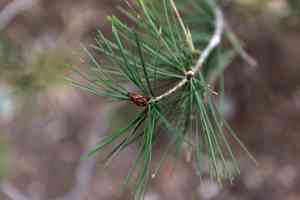
Bunge's pine (Pinus bungeana)
Also known as: White-barked pine
The River Birch (Betula nigra) is a popular choice in landscaping due to its stunning, multi-colored peeling bark, which adds visual interest throughout the year. Unlike some slow-growing trees, the River Birch begins to showcase its unique bark at a younger age. Additionally, this tree plays a significant role in soil erosion control, making it both an aesthetic and functional addition to various landscapes.
In This Article
Attributes of Bunge's pine
Lifespan
Perennial
Plant Type
Tree
Plant Height
9 m to 15 m
Spread
3.5 m to 6 m
Leaf Color
Green
Flower Size
2.5 cm to 8 cm
Flower Color
Yellow Green
Images of Bunge's pine
Quickly Identify Bunge's pine
1
Needles in bundles of three, 2-4 inches (5-10 cm) long, medium to dark green, with toothed margins.
2
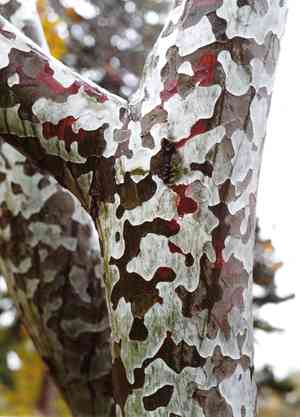
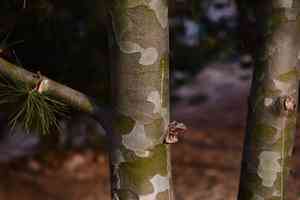
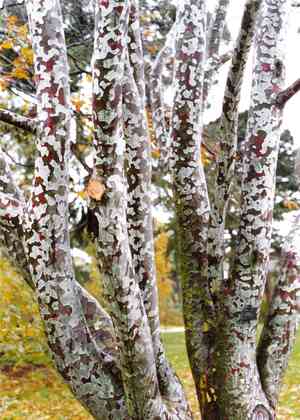
Bark peels to reveal white, olive, light purple, and silver hues, transitioning to milky white.
3
Seed cones ovoid, 1.5-2.5 inches (3.8-6.4 cm) long, yellowish-brown with protrusive triangular spine.
4
Male pollen cones yellow, cylindrical, 0.4 inches (1 cm) long, clustered without notable scent.
5
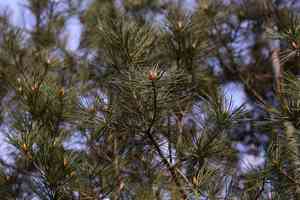
Distinct spindle-shaped buds on multi-stemmed grayish-green stems, with reddish-brown scales.
Scientific Classification of Bunge's pine
Phylum
Vascular plants
Class
Conifers
Order
Pines and allies
Family
Pine
Genus
Pines
Species
Bunge's pine
Planting and Growing of Bunge's pine
Care Difficulty
Easy
Watering Schedule
Every day
Sunlight Requirements
Full sun
Sunshine Duration
4-8 hours
Ideal Temperature
60-75℉
Soil Type
Potting Mix, Peat Mix
Soil pH
6.5-7.5
Fertilizer Type
Balanced
Pruning Season
Spring, Summer
Pruning Area
Branches, Leaves
Pruning Frequency
2 times a year
Repotting Season
Spring
Pot Type
Plastic, Ceramic
 How to Water Bunge's pine?
For Pinus bungeana, water until you see moisture at the base of the pot or ground, mimicking natural rainfall patterns. Be mindful not to make the ground soggy. This ensures the roots are hydrated without suffocation.
What are the symptoms of an underwatered Bunge's pine?
›
What should I do if my Bunge's pine is not getting enough water?
›
What are the symptoms of an overwatered Bunge's pine?
›
How to save an overwatered Bunge's pine?
›
 What Are the Sunlight Requirements for Bunge's pine?
Pinus bungeana benefits from environments offering full sun to partial sun. Ideally, light should be consistent for 6 to 8 hours a day, promoting healthy growth, enhanced photosynthesis, and optimal architectural development.
More About Sunlight Requirements Techniques→
What amount of sunlight does Pinus bungeana prefer?
›
How can you ensure sufficient sunlight for Pinus bungeana?
›
What benefits does Pinus bungeana receive from ideal sunlight?
›
 What Is the Ideal Temperature Range for Bunge's pine?
What is the ideal temperature range for Pinus bungeana to grow? The ideal temperature range for the growth of Pinus bungeana, also known as the Lacebark Pine, is between 60 and 75 degrees Fahrenheit. Within this range, the plant can photosynthesize efficiently and maintain healthy metabolic processes. Ensuring these conditions can lead to vigorous growth and prevent stress-related issues.
 What Soil is Best for Bunge's pine?
Pinus bungeana thrives in well-drained soil, which prevents waterlogging and root rot. This characteristic ensures that the roots receive adequate oxygen, promoting healthy growth and resistance to diseases. A soil rich in nutrients provides a steady source of essential minerals and nutrients to Pinus bungeana. This enhances its growth rate, foliage vibrancy, and overall vitality by ensuring the tree has all it needs for photosynthesis and structural development. The soil for Pinus bungeana should retain adequate moisture without becoming soggy. This balance maintains a stable environment for roots, prevents dehydration, and supports the tree's metabolic processes during dry periods.
 How to Fertilize Bunge's pine?
For Pinus bungeana, the fertilizer amount should be moderate. Too much fertilizer can harm the plant. Typically, a 10-10-10 balanced fertilizer is effective. Use about 1 pound (0.45 kg) for mature trees per inch of trunk diameter, applying during the growing season.
 How to Prune Bunge's pine?
To begin pruning Pinus bungeana, ensure your tools are sharp and clean to minimize damage to the tree. Use a pair of bypass pruners for small branches, while loppers will be more effective for larger limbs. Secateurs and a pruning saw might also be necessary for thicker wood. Start by removing any dead or diseased branches, cutting them back to the nearest healthy section or to the trunk itself. This not only improves the tree's appearance but also helps in preventing the spread of disease. Make sure to cut at the branch collar to facilitate proper healing. Focus on maintaining the natural beauty and shape of the Pinus bungeana. Trim away branches that cross each other or grow inward, as they can cause crowding and reduce light penetration, affecting the overall health of the tree. For optimal health, it’s important to thin the canopy to allow air and sunlight to reach the internal branches. This encourages new growth and helps maintain a balanced, open structure. Always step back periodically to assess the tree's shape during this process.
More About Pruning Techniques→
 How to Propagate Bunge's pine plant?
1
Collect seeds from healthy, mature cones of Pinus bungeana. Ensure the cones are fully ripe, as this will maximize germination rates. Treat the seeds by stratifying them in the cold, which involves mimicking winter conditions to break seed dormancy.
2
Use a well-draining soil mixture comprised of equal parts peat moss and perlite. The medium should be sterilized to eliminate potential pathogens. Fill small pots with the mixture, ensuring it's moist but not waterlogged.
3
Choose healthy branches from a mature Pinus bungeana tree. Cut sections about 10-15 cm long, making sure each cutting has multiple nodes. Strip the lower leaves and dip the cut ends in rooting hormone before planting.
 How to Repot Bunge's pine plant?
1
Pinus bungeana requires repotting when you see roots emerging from drainage holes or the plant appears stunted in growth despite proper care. This indicates the pine has outgrown its container and needs more space to continue healthy development. Optimal repotting periods are during spring or autumn when the tree is not in active growth mode but is preparing for it.
2
Select a pot that is 2-4 inches larger in diameter than the current one. This allows enough room for growth without overwhelming the plant. Ensure the new pot has adequate drainage holes to prevent waterlogging, which is detrimental to the health of Pinus bungeana.
3
Opt for a well-draining sandy loam soil to mimic its natural habitat. Such soil prevents the roots from sitting in water, reducing the risk of root rot. It also ensures that nutrients are retained effectively while providing ample aeration necessary for root health.



