
Mexican white pine (Pinus ayacahuite)
Also known as: Mexican White Pine, Ayacahuite Pine
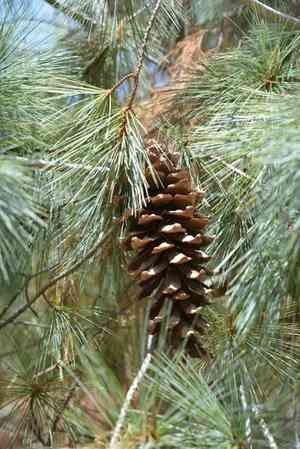
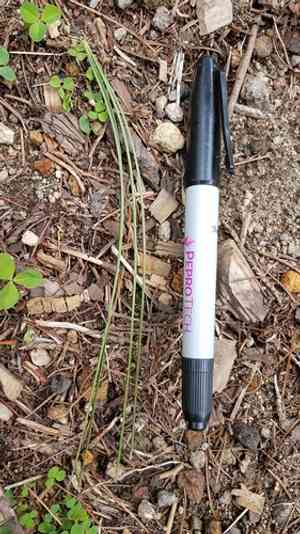
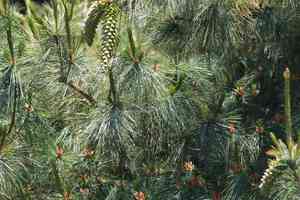
The needles exhibit fine serrations and measure between 9 and 16 cm in length. The cones are elongated and narrow, ranging from 15 to 40 cm in length and 4 to 6 cm in width when closed, expanding to a width of 6 to 10 cm when open. The cone scales are characterized by their thin and flexible nature. The seeds are diminutive, approximately 6 to 8 mm in length, and are equipped with a long, slender wing measuring 1.8 to 2.5 cm.
In This Article
Attributes of Mexican white pine
Lifespan
Perennial
Plant Type
Tree
Plant Height
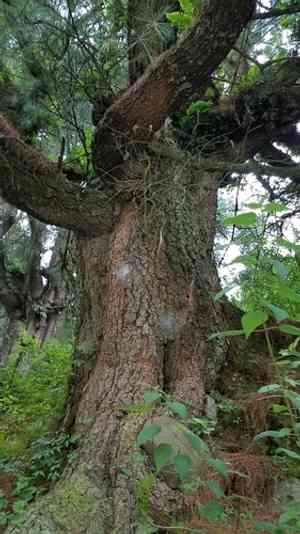
Mature trees can reach heights of 30–45 meters (100–150 feet)
Spread
The crown diameter typically spans 10–15 meters (33–50 feet)
Leaf Color
Green
Flower Size
Not applicable; Pinus ayacahuite is a conifer and does not produce traditional flowers
Flower Color
Not applicable
Images of Mexican white pine
Quickly Identify Mexican white pine
1
Identify Pinus ayacahuite by its long, slender needles, which are typically arranged in bundles of five. The cones are large and elongated, often reaching up to 30 cm in length.
Scientific Classification of Mexican white pine
Phylum
Vascular plants
Class
Conifers
Order
Pinales
Family
Pine
Genus
Pines
Species
Mexican white pine
Planting and Growing of Mexican white pine
Care Difficulty
Easy
Watering Schedule
Every 3 days
Sunlight Requirements
Full sun
Sunshine Duration
6-10 hours
Ideal Temperature
50-77℉
Soil Type
Potting Mix, Peat Mix
Soil pH
6.5-7.5
Fertilizer Type
Balanced
Pruning Season
Spring, Summer
Pruning Area
Branches, Leaves
Pruning Frequency
2 times a year
Repotting Season
Spring
Pot Type
Plastic, Terracotta
 How to Water Mexican white pine?
The watering amount for Pinus ayacahuite should be around 500 milliliters per session. It's important to water until the soil is moist but not soggy. Think of it as achieving a nice, even penetration to allow root access without drowning the roots. Make sure the water reaches a depth of at least 20 cm, ensuring the lower roots receive moisture.
What are the symptoms of an underwatered Mexican white pine?
›
What should I do if my Mexican white pine is not getting enough water?
›
What are the symptoms of an overwatered Mexican white pine?
›
How to save an overwatered Mexican white pine?
›
 What Are the Sunlight Requirements for Mexican white pine?
Pinus ayacahuite thrives in full sun to partial sun conditions. Ideal light promotes vigorous growth, enhances disease resistance, and ensures a healthy, lush appearance.
What is the ideal lighting setting for Pinus ayacahuite?
›
How can I ensure my Pinus ayacahuite gets optimal light exposure?
›
What benefits does ideal lighting provide to Pinus ayacahuite?
›
 What Is the Ideal Temperature Range for Mexican white pine?
The ideal temperature range for Pinus ayacahuite is between 50°F and 77°F. This range ensures that the metabolic activities, such as photosynthesis and respiration, occur optimally, promoting healthy growth and development. Maintaining temperatures within this range helps prevent stress-related diseases and supports robust root and foliage growth.
 What Soil is Best for Mexican white pine?
Pinus ayacahuite thrives in soils with good drainage to prevent waterlogging. Well-drained soil helps the roots access oxygen and reduces the risk of root rot, ensuring the tree remains healthy and vigorous. This tree prefers soils rich in organic matter. A nutrient-rich substrate supports robust growth, providing essential elements like nitrogen and potassium for the development of foliage and overall structure. While Pinus ayacahuite can tolerate some dry conditions, it performs best with consistent moisture. Proper moisture levels support photosynthesis and nutrient uptake, contributing to a healthy canopy and vigorous growth.
 How to Fertilize Mexican white pine?
For Pinus ayacahuite, the amount of fertilizer should be carefully measured. Typically, use about one tablespoon of balanced 10-10-10 NPK fertilizer per gallon of water for liquid fertilizers. For slow-release fertilizers, follow the manufacturer's instructions, usually around 1 pound per inch of trunk diameter annually.
 How to Prune Mexican white pine?
Start by identifying any dead, diseased, or damaged branches, and remove them with a clean, sharp pruning tool. Cut back to where the branch joins a larger limb or the main trunk. This encourages the healing of the wound and prevents future problems. Be sure to angle your cuts just above a bud facing outward, which guides new growth away from the tree's center to maintain a balanced shape. To shape Pinus ayacahuite, focus on maintaining its natural form. Remove any crossing branches to prevent rubbing and damage. When cutting to shape, aim to reduce length evenly across the canopy to preserve symmetry. Avoid cutting more than 20% of the tree's foliage in a single session to prevent stress.
More About Pruning Techniques→
 How to Propagate Mexican white pine plant?
1
Seed stratification involves chilling the seeds for several weeks to mimic natural winter conditions, which breaks dormancy and prepares Pinus ayacahuite seeds for germination in the spring.
2
Sow the stratified seeds in the prepared seed trays, ensuring they are slightly covered with the soil mix. Maintain consistent moisture levels but avoid waterlogging to prevent root rot.
3
Place the seed trays in a warm, sunny location, ensuring seeds receive indirect sunlight. Monitor regularly for germination, which typically occurs within 4-6 weeks under optimal conditions.
 How to Repot Mexican white pine plant?
1
Repot Pinus ayacahuite when you notice its roots start to circle around the pot or emerge from the pot's drainage holes. These signs suggest that the tree has outgrown its current container and needs more room to expand its roots. Springtime repotting grants the plant ample growing period to recover from any disturbances.
2
Select a pot that is a few inches larger in diameter than the current one to allow extra growth but still hold moisture without saturating the soil. A container with sufficient drainage holes is crucial to prevent waterlogging and root rot. The material of the pot, whether terracotta or plastic, should suit your climatic conditions and aesthetic preferences.
3
Opt for well-draining loamy soil enriched with organic matter to support healthy growth. This soil mix retains necessary moisture while allowing excess water to escape, preventing water stress issues. Adding a layer of pine bark or horticultural grit can enhance aeration and drainage, creating an ideal environment for root development.



