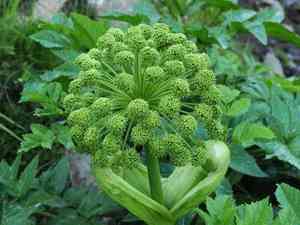
Anise burnet saxifrage (Pimpinella anisum)
Also known as: Anise
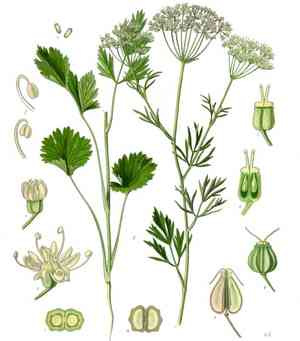
Anise is an annual herb that can grow over 90 cm tall. The lower leaves are simple, ranging from 1 to 5 cm long, and have shallow lobes. Higher up on the stems, the leaves are feathery and pinnate, divided into many small segments. The flowers are small, white, about 3 mm in diameter, and form dense, umbrella-shaped clusters called umbels.
In This Article
Attributes of Anise burnet saxifrage
Lifespan
Annual, Perennial
Plant Type
Herb
Plant Height
60 cm
Spread
60 cm
Leaf Color
Green
Flower Size
3 - 6 millimeters
Flower Color
White
Images of Anise burnet saxifrage
Quickly Identify Anise burnet saxifrage
1
Feathery bipinnate leaves with multiple leaflets.
2
Compound umbels of small white and yellowish flowers.
3
Oblong, slightly curved seeds with fine ribbing.
4
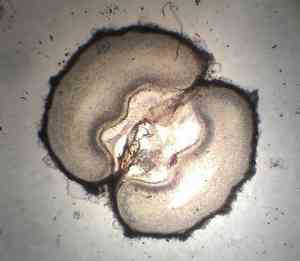
Small, dry schizocarp fruit splitting into two mericarps.
5
Vibrant green leaves, with variations in shape and size.
Scientific Classification of Anise burnet saxifrage
Phylum
Vascular plants
Class
Dicotyledons
Order
Apiales
Family
Umbellifers
Genus
Pimpinella
Species
Anise burnet saxifrage
Planting and Growing of Anise burnet saxifrage
Care Difficulty
Easy
Watering Schedule
Every 2 days
Sunlight Requirements
Full sun
Sunshine Duration
4-6 hours
Ideal Temperature
60-75℉
Soil Type
Potting Mix, Peat Mix
Soil pH
6-7.5
Fertilizer Type
Balanced
Pruning Season
Spring, Summer
Pruning Area
Branches, Leaves
Pruning Frequency
2 times a year
Repotting Season
Spring
Pot Type
Plastic, Terracotta
 How to Water Anise burnet saxifrage?
When watering Pimpinella anisum, ensure the soil is adequately moist but not waterlogged. This plant prefers moderate watering, so approximately 250 ml of water per session should suffice, allowing the soil to dry slightly between waterings.
What are the symptoms of an underwatered Anise burnet saxifrage?
›
What should I do if my Anise burnet saxifrage is not getting enough water?
›
What are the symptoms of an overwatered Anise burnet saxifrage?
›
How to save an overwatered Anise burnet saxifrage?
›
 What Are the Sunlight Requirements for Anise burnet saxifrage?
Pimpinella anisum flourishes in full sun to partial sun conditions, benefiting significantly from 6 to 8 hours of light. Ideal light stimulates lush growth, fuller foliage, and optimal seed oil content.
What is the optimal sunlight condition for Pimpinella anisum?
›
How can I adjust my environment to meet these conditions?
›
What benefits does ideal lighting provide?
›
 What Is the Ideal Temperature Range for Anise burnet saxifrage?
The ideal temperature range for growing Pimpinella anisum, commonly known as anise, is between 60°F and 75°F. This range ensures optimal growth and maximizes oil production in the seeds. Maintaining this temperature range helps in achieving vigorous plant development and high-quality yield.
 What Soil is Best for Anise burnet saxifrage?
Pimpinella anisum thrives in well-drained soil, ensuring its roots do not sit in water, which can cause root rot. This helps maintain healthy growth and maximize its aromatic oil production. Moderate fertility is ideal for Pimpinella anisum, providing enough nutrients for steady growth without excessive foliage at the expense of seed production. Incorporating organic matter like compost into the soil boosts its ability to retain nutrients and water, fostering robust growth and seed development.
 How to Fertilize Anise burnet saxifrage?
For Pimpinella anisum, a moderate amount of fertilizer is ideal. When using liquid fertilizers, a dilution of half the strength recommended on the package is ideal. For slow-release granules, apply according to manufacturer's instructions, typically around 2-3 grams per plant.
 How to Prune Anise burnet saxifrage?
Begin by cutting away any dead or damaged stems at their base. This helps direct the plant's energy towards new growth and prevents disease. Use sharp, clean scissors or pruning shears to make clean cuts. To stimulate bushy growth, trim back the longer branches by a third of their length. Focus on cutting just above a leaf node to encourage new shoots to emerge from that point, resulting in a fuller plant.
More About Pruning Techniques→
 How to Propagate Anise burnet saxifrage plant?
1
Fill the seed tray with a light, well-draining potting mix. Moisten the soil lightly but ensure it is not waterlogged. Create a smooth surface for even seed distribution.
2
Distribute the Pimpinella anisum seeds evenly across the soil surface. Cover them lightly with a thin layer of soil—about 1/4 inch. Gently press down to ensure good seed-to-soil contact.
3
Place the seed tray in a warm, sunny location. Ensure consistent temperatures between 20-25°C (68-77°F). Keep the soil consistently moist but not soggy during the germination period, which typically takes 10-14 days.
 How to Repot Anise burnet saxifrage plant?
1
Repotting Pimpinella anisum should be done when you notice roots emerging from the drainage holes, indicating the plant has outgrown its current pot. Additionally, if growth has slowed despite regular care, this is another sign that the anise plant may benefit from fresh soil and more space.
2
Select a pot with drainage holes that is 1-2 inches larger in diameter than the current one. The new pot should allow room for growth but not be so large that it holds excess moisture, which could lead to root rot. A clay or terracotta pot is ideal as it allows for increased airflow and evaporation of moisture, keeping the roots healthier.
3
Opt for a well-draining sandy loam, which consists of sand, silt, and clay in proportions that support anise's drainage needs. This soil composition prevents waterlogging while retaining necessary nutrients, helping to maintain the perfect growing environment for Pimpinella anisum.
Learn More About Anise burnet saxifrage Diseases
Anthracnose
Bacterial Leaf Spot
Bacterial Soft Rot
Bacterial Wilt
Chemical Injury
Damping-off
Downy Mildew
Drought Stress
Fusarium Wilt
Gray Mold
Leaf Spot
Mosaic
Nutrient Deficiency
Nutrient Toxicity
Powdery Mildew
Root Rot
Root-knot Nematode
Rusts
Sooty Mold
Spider Mites
Temperature Stress
Thrips Damage
White Mold



