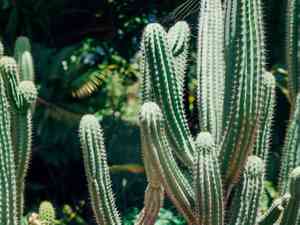
Blue columnar cactus (Pilosocereus pachycladus)
Also known as: Blue Torch Cactus, Blue Columnar Cactus
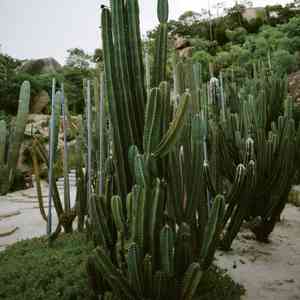
The blue columnar cactus is a cactus with worldwide popularity. Regarded as one of the most spectacular cacti, it is easily recognizable by its upright growth habit. In its native habitat, this cactus can grow up to 1.04 m tall, while in cultivation it grows very slowly and doesn't reach more than 30 cm in height.
In This Article
Attributes of Blue columnar cactus
Lifespan
Perennial
Plant Type
Succulent
Plant Height
10 m
Spread
11 cm
Leaf Color
N/A (Cacti lack traditional leaves)
Flower Size
8 cm to 10 cm
Flower Color
White Pink
Images of Blue columnar cactus

Quickly Identify Blue columnar cactus
1
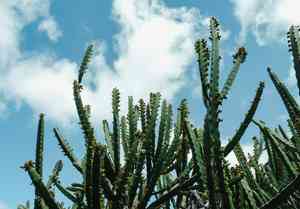
Identify Pilosocereus pachycladus by its tall, columnar stems that are blue-green in color, covered with prominent, woolly areoles and long spines. Flowers are usually white and appear nocturnally.
Scientific Classification of Blue columnar cactus
Phylum
Vascular plants
Class
Dicotyledons
Order
Caryophyllales
Family
Cactuses
Genus
Tree cactus
Species
Blue columnar cactus
Planting and Growing of Blue columnar cactus
Care Difficulty
Easy
Watering Schedule
Every day
Sunlight Requirements
Full sun
Sunshine Duration
4-8 hours
Ideal Temperature
70-85℉
Soil Type
Potting Mix, Peat Mix
Soil pH
6.5-7.5
Fertilizer Type
Balanced
Pruning Season
Spring, Summer
Pruning Area
Branches, Leaves
Pruning Frequency
2 times a year
Repotting Season
Spring
Pot Type
Plastic, Ceramic
 How to Water Blue columnar cactus?
For Pilosocereus pachycladus, water should be provided until it begins to drain from the bottom of the pot. The principle is to thoroughly moisten the soil without letting it remain soggy. This helps to simulate the plant's natural habitat, where brief but heavy rainfalls are followed by periods of dryness.
What are the symptoms of an underwatered Blue columnar cactus?
›
What should I do if my Blue columnar cactus is not getting enough water?
›
What are the symptoms of an overwatered Blue columnar cactus?
›
How to save an overwatered Blue columnar cactus?
›
 What Are the Sunlight Requirements for Blue columnar cactus?
Pilosocereus pachycladus ideally needs full to partial sun, benefiting from 8 to 10 hours of light daily. This exposure fosters healthy growth and maintains its natural color and form.
More About Sunlight Requirements Techniques→
What amount of sunlight does Pilosocereus pachycladus need?
›
How can I ensure Pilosocereus pachycladus gets ideal sunlight?
›
What are the benefits of ideal sunlight for Pilosocereus pachycladus?
›
 What Is the Ideal Temperature Range for Blue columnar cactus?
Pilosocereus pachycladus thrives in temperatures between 70°F and 85°F. This range mimics its natural habitat, providing optimal conditions for growth and health. Maintaining temperatures within this range ensures robust growth and prevents stress-related issues that could hinder plant vitality.
 What Soil is Best for Blue columnar cactus?
Pilosocereus pachycladus demands well-drained soil to thrive. This prevents water stagnation, which can lead to root rot, ensuring healthy root development and vigorous growth. The presence of essential nutrients in the soil is vital for Pilosocereus pachycladus. This supports robust growth, encourages strong spine development, and sustains the plant's striking blue hue. Maintaining a pH level between 6.5 and 7.5 is ideal. This range supports optimal nutrient uptake while maintaining the biochemical processes needed for vibrant health.
 How to Fertilize Blue columnar cactus?
Pilosocereus pachycladus requires a balanced approach to fertilization. When using liquid fertilizer, a solution with a concentration of 1/2 of what is recommended on the package should be applied. This cactus tolerates light feeding and does not require large amounts of nutrients to thrive.
 How to Prune Blue columnar cactus?
Begin by cleaning and sterilizing your cutting tools to prevent infections. Identify any dead or damaged branches to remove first. Use a sharp, clean knife or pruning shears to make straight cuts, cleanly removing unhealthy segments right at the base. Be sure to wear gloves as the spines can be quite sharp. Once you've taken care of the damaged areas, evaluate the plant's overall shape and trim back any sections to encourage balanced growth. After pruning, avoid watering the plant for a week to allow cut ends to callous and prevent root rot.
 How to Propagate Blue columnar cactus plant?
1
Choose a healthy stem segment from the Pilosocereus pachycladus and make a clean cut using a sterilized knife or pruning shears. Allow the cutting to callous over for several days in a dry, shaded environment.
2
Scatter the seeds over a well-draining, sterile potting mix, lightly covering them with a thin layer of soil. Keep the soil consistently moist but not waterlogged to encourage germination.
3
Select a healthy rootstock and make a V-shaped cut. Attach the scion from the Pilosocereus pachycladus and ensure good contact between the cambiums, securing with grafting tape.
 How to Repot Blue columnar cactus plant?
1
Repot your Pilosocereus pachycladus when you notice roots growing out of the drainage holes, or if the plant looks cramped in its current pot. These signs indicate that your cactus needs more space to grow, which means it's time for a new pot.
2
Select a pot that is slightly larger than the current one, with excellent drainage holes. A good rule of thumb is to choose a pot about 1-2 inches larger in diameter. This allows the roots to spread without sitting in water, which can cause rot and other issues.
3
Cactus soil mix is ideal as it's well-draining while retaining just enough moisture for desert plants. This prevents overwatering, which can lead to root rot, and mimics the natural conditions these cacti thrive in.



