
Pilea notata (Pilea notata)
Also known as: Small-leaved Artillery Plant, Net-leafed Artillery Plant
Pilea notata is a delightful houseplant celebrated for its vivid, textured green leaves that can shimmer subtly when exposed to light. Its small, compact form makes it perfect for indoor settings, and it thrives in bright, indirect sunlight but can also adapt to lower light conditions, reflecting its natural understory habitat. The plant's foliage spreads outward, forming a lush, rounded shape, and with proper care, it may produce small white flowers, enhancing its overall charm. This easy-care plant is an excellent choice for both beginners and seasoned plant enthusiasts.
In This Article
Attributes of Pilea notata
Lifespan
Perennial
Plant Type
Herb
Plant Height
10-20 cm
Spread
Spreading, approximately 20-30 cm
Leaf Color
Green with a net-like pattern
Flower Size
Tiny, less than 0.5 cm
Flower Color
White to pale green
Images of Pilea notata
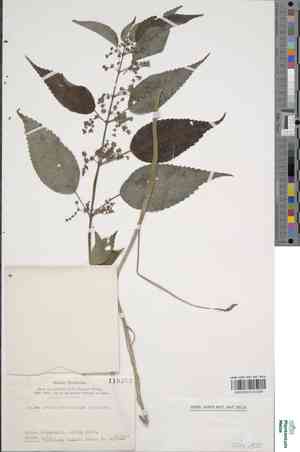


Quickly Identify Pilea notata
1
Recognizable by its small, ovate leaves with a net-like pattern. The plant usually grows low to the ground and has a creeping habit.
Scientific Classification of Pilea notata
Phylum
Vascular plants
Class
Dicotyledons
Order
Roses, elms, figs, and allies
Family
Nettle
Genus
Clearweed
Species
Pilea notata
Planting and Growing of Pilea notata
Care Difficulty
Easy
Watering Schedule
Every 3 days
Sunlight Requirements
Partial sun
Sunshine Duration
4-8 hours
Ideal Temperature
65-75℉
Soil Type
Potting Mix, Peat Mix
Soil pH
6.5-7.5
Fertilizer Type
Balanced
Pruning Season
Spring, Summer
Pruning Area
Branches, Leaves
Pruning Frequency
2 times a year
Repotting Season
Spring
Pot Type
Terracotta, Plastic
 How to Water Pilea notata?
For Pilea notata, always water thoroughly until water runs out of the bottom of the pot. The soil should feel evenly moist but not soggy. Use approximately 150 ml of water per session, adjusting based on pot size.
What are the symptoms of an underwatered Pilea notata?
›
What should I do if my Pilea notata is not getting enough water?
›
What are the symptoms of an overwatered Pilea notata?
›
How to save an overwatered Pilea notata?
›
 What Are the Sunlight Requirements for Pilea notata?
Partial sun ensures Pilea notata gets the gentle, consistent light it needs for healthy growth. This balance reduces the risk of leaf burn while promoting vibrant foliage and strong development.
How much light is ideal?
›
Solution to achieve ideal lighting
›
Benefits of optimal light exposure
›
 What Is the Ideal Temperature Range for Pilea notata?
To thrive, Pilea notata prefers a consistent temperature range of 65 to 75 degrees Fahrenheit. This range mimics its native tropical environment, providing the warmth and stability these plants need for optimal growth. Maintaining temperatures within this range encourages healthy leaf development and vibrant coloration.
 What Soil is Best for Pilea notata?
Pilea notata thrives in well-draining soil, which prevents water from stagnating and reduces the risk of root rot. Well-draining soil ensures that the roots have access to both moisture and oxygen, essential for healthy plant growth. This plant benefits from nutrient-rich soil that supports its vibrant foliage and overall health. Fertile soil provides essential nutrients that promote strong growth and help Pilea notata maintain its lush green appearance. Pilea notata prefers soil that retains some moisture without becoming waterlogged. Soil with good moisture retention ensures the plant receives consistent hydration, supporting its growth and vigor.
 How to Fertilize Pilea notata?
For Pilea notata, use a balanced liquid fertilizer at half the recommended strength to avoid over-fertilization. During the growing season, a quarter to a half teaspoon of liquid fertilizer diluted in a gallon of water can be used per feeding. Solid or slow-release fertilizers can be applied sparingly, keeping in mind the plant's smaller size and moderate nutrient needs.
 How to Prune Pilea notata?
Use clean, sharp scissors to prune Pilea notata. Identify any leggy or unhealthy stems and cut them back to just above a leaf node. This will encourage the plant to produce new, bushy growth. Pinch back the more vigorous stems to maintain a compact shape and encourage lateral growth. To shape the Pilea notata, begin by identifying the overall form you wish to achieve. Start pruning from the top down, focusing on balancing the plant's symmetry. Remove any overlapping or congested branches to open up the plant. This not only improves the appearance but also increases air circulation, reducing the risk of fungal diseases.
More About Pruning Techniques→
 How to Propagate Pilea notata plant?
1
Choose a healthy, non-flowering stem that appears robust and disease-free. The selected stem should be about 3-4 inches long to ensure ample growth potential.
2
Using sharp pruning shears, make a clean cut just below a node. Remove the leaves from the lower part of the cutting to prevent them from rotting in the growing medium.
3
Dip the cut end of the stem into rooting hormone before planting it in a well-draining potting mix. Keep the soil moist but not waterlogged to promote root development.
 How to Repot Pilea notata plant?
1
Repot Pilea notata when you notice significant root growth out of the drainage holes, or if the plant's growth appears stunted. Additionally, it is a good time to repot if the soil retains water for too long, indicating it's compacted. Repotting during the active growing seasons of spring or summer ensures the plant has the energy to bounce back quickly.
2
Select a pot that is one size larger than the current pot to allow root expansion. Opt for a pot with ample drainage holes to prevent waterlogging, which can cause root rot. The material of the pot can vary but should be porous, like terracotta, to ensure good aeration and moisture control.
3
The ideal soil for repotting Pilea notata is a well-draining potting mix. The mix should be airy and loose, comprising ingredients like peat moss, perlite, and vermiculite. This composition ensures the roots have access to enough oxygen and allows excess water to escape, preventing root rot.
Learn More About Pilea notata Diseases
Anthracnose
Bacterial Leaf Spot
Bacterial Soft Rot
Bacterial Wilt
Black Spot
Chemical Injury
Crown Gall
Damping-off
Downy Mildew
Drought Stress
Fusarium Wilt
Gray Mold
Leaf Curl
Leaf Spot
Mosaic
Nutrient Deficiency
Nutrient Toxicity
Powdery Mildew
Root Rot
Root-knot Nematode
Sooty Mold
Spider Mites
Temperature Stress
Thrips Damage
White Mold



