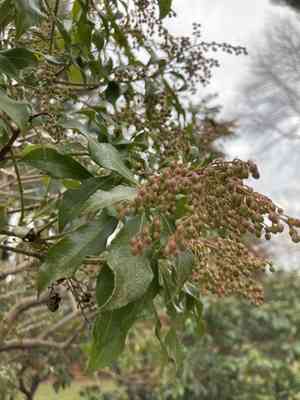
Fetterbushes (Pieris) (Pieris)
Also known as: Lily of the Valley Shrub, Japanese Andromeda
Pieris, also known as Andromedas, are evergreen shrubs belonging to the heather family. In spring, their foliage often displays striking colors like yellow, red, or pink. These shrubs are admired for their attractive flower clusters and are frequently grown as ornamental plants.
In This Article
Attributes of Fetterbushes (Pieris)
Lifespan
Perennial
Plant Height
2 m
Spread
2 m
Leaf Color
Dark green, with new growth often red or bronze
Flower Size
0.5 inches (1.3 cm)
Flower Color
White or pink
Images of Fetterbushes (Pieris)
Quickly Identify Fetterbushes (Pieris)
1
Pieris can be identified by its leathery, lance-shaped leaves that often have a red hue when young, as well as its drooping clusters of bell-shaped flowers.
Scientific Classification of Fetterbushes (Pieris)
Phylum
Magnoliophyta
Class
Magnoliopsida
Order
Ericales
Family
Ericaceae
Genus
Pieris
Planting and Growing of Fetterbushes (Pieris)
Care Difficulty
Moderate
Watering Schedule
Every 2 days
Sunlight Requirements
Partial sun
Sunshine Duration
4-6 hours
Ideal Temperature
60-75℉
Soil Type
Potting Mix, Peat Mix
Soil pH
5-6.5
Fertilizer Type
Balanced
Pruning Season
Spring, Summer
Pruning Area
Branches, Leaves
Pruning Frequency
2 times a year
Repotting Season
Spring
Pot Type
Plastic, Ceramic
 How to Water Fetterbushes (Pieris)?
Pieris plants prefer a moderate amount of water that keeps the soil consistently moist but never waterlogged. Aim to provide around 500 milliliters of water per session, ensuring the moisture reaches the root zone. It's crucial to feel the soil to about an inch deep and wait until it's dry before watering again, which helps prevent overwatering.
What are the symptoms of an underwatered Fetterbushes (Pieris)?
›
What should I do if my Fetterbushes (Pieris) is not getting enough water?
›
What are the symptoms of an overwatered Fetterbushes (Pieris)?
›
How to save an overwatered Fetterbushes (Pieris)?
›
 What Are the Sunlight Requirements for Fetterbushes (Pieris)?
Partial sun to full shade is ideal, promoting lush, colorful foliage and preventing leaf damage. Supports robust growth and flowering without stress.
How much sunlight does Pieris need?
›
How can I provide the ideal sunlight?
›
What benefits does ideal light bring?
›
 What Is the Ideal Temperature Range for Fetterbushes (Pieris)?
The ideal temperature range for cultivating Pieris plants is between 60°F and 75°F. This range provides the best conditions for growth and development, ensuring the plant maintains its vibrant foliage and healthy blooms. Consistent temperatures within this range mimic the plant's natural habitat, promoting optimum physiological processes.
 What Soil is Best for Fetterbushes (Pieris)?
Pieris thrives in soils that are capable of retaining moisture without becoming waterlogged. This allows the plant to continuously access the moisture it needs, which is especially beneficial during dry spells. A nutrient-rich soil helps Pieris develop vibrant foliage and robust growth. Soils rich in organic matter provide essential nutrients, contributing to the overall health and vigor of the plant. While Pieris plants enjoy moist soils, it's crucial that these soils drain well to prevent root rot. Well-drained soils ensure excess water doesn't suffocate roots, leading to healthier growth.
 How to Fertilize Fetterbushes (Pieris)?
Pieris plants prefer a balanced fertilizer amount to maintain healthy growth. For liquid fertilizers, use a concentration of about one-third of the recommended strength. Apply only enough to moisten the soil, avoiding excess runoff. For slow-release fertilizers, follow the manufacturer's guidelines based on the size of your shrub, ensuring not to exceed the recommended amount to prevent nutrient burn.
 How to Prune Fetterbushes (Pieris)?
Aim to prune Pieris in early spring or after they finish flowering. Pruning during these times minimizes stress on the plant and promotes vigorous growth. For a more structured look, trim overgrown shoots back to encourage a bushier appearance. Try to maintain the natural shape of the plant while removing undesired growth. After pruning, inspect your Pieris for signs of pests like aphids or scale. Regular checks can help catch infestations early, preventing significant damage.
 How to Propagate Fetterbushes (Pieris) plant?
1
Choose healthy, semi-hardwood stems for cutting or select fresh seeds for propagation. Ensure they are disease-free and have no damage. For layering, identify low branches that can easily be bent to the ground.
2
Use a well-draining propagation medium such as a mixture of peat and perlite. This environment ensures optimum moisture retention and aeration to support growth. Pre-moisten the medium before inserting cuttings or seeds.
3
Insert cuttings into the medium ensuring at least two leaf nodes are buried. Water it adequately to settle the soil. For layering, secure the bent branch into the soil with a small piece of wire, ensuring contact with the medium without detaching it from the parent plant.
 How to Repot Fetterbushes (Pieris) plant?
1
Pieris plants need repotting when roots start growing out of the drainage holes, indicating they're becoming root-bound. Yellowing leaves or stunted growth can also be signals. The ideal time to repot is during spring or autumn, as these seasons provide moderate temperatures and the plant is not in its peak growing or dormant phases.
2
Select a pot slightly larger than the current one, ideally 1-2 inches wider in diameter. A pot that's too large can hold excessive moisture, leading to root rot. Ensure it has drainage holes to allow excess water to escape, providing ideal growing conditions.
3
Use soil that is acidic and well-drained, such as a mix designed for acid-loving plants. This helps in maintaining the ideal pH balance for Pieris and prevents water logging. A mixture of peat, sand, and pine bark is a good choice, promoting healthy root development.
Toxicity
Ingestion
WARNING
The judgment on toxicity and danger is for reference only. We DO NOT GUARANTEE any accuracy of such judgment. Therefore, you SHALL NOT rely on such judgment. It is IMPORTANT TO SEEK PROFESSIONAL ADVICE in advance when necessary.

