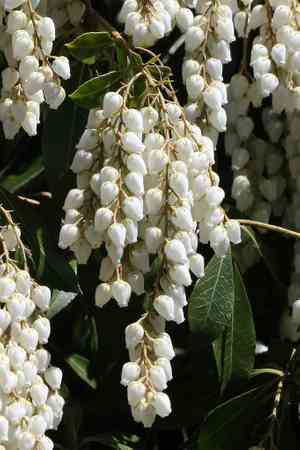
Japanese pieris (Pieris japonica)
Also known as: Japanese andromeda
Japanese pieris (Pieris japonica) is a popular evergreen shrub known for its beautiful clusters of small flowers. However, several risks are associated with planting it in gardens:
1. **Toxicity**: Every part of the plant is poisonous if ingested, potentially leading to severe health issues like seizures and temporary blindness in both humans and animals.
2. **Pest Problems**: The shrub is vulnerable to pests such as lace bugs and root weevils, which can harm the plant and detract from its visual appeal.
3. **Disease Vulnerability**: It is prone to fungal diseases like root rot and leaf spot, particularly in poorly drained or overly damp soils.
4. **Soil Preferences**: Requires acidic, well-draining soil; alkaline soil can lead to nutrient deficiencies and hinder its growth.
5. **Climate Sensitivity**: Sensitive to extreme temperatures, both high and low, which can restrict its suitability to certain regions.
Despite these risks, Japanese pieris is often used in foundation plantings alongside other shrubs, thanks to its ornamental value.
Attributes of Japanese pieris
Images of Japanese pieris
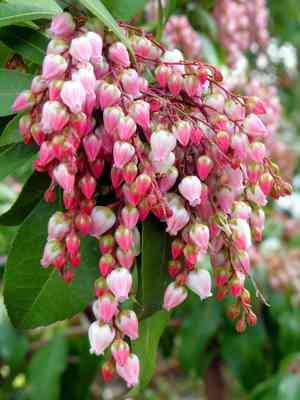
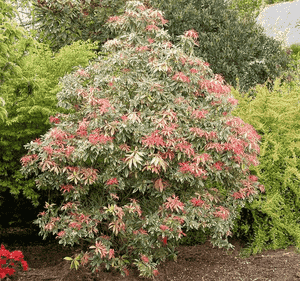
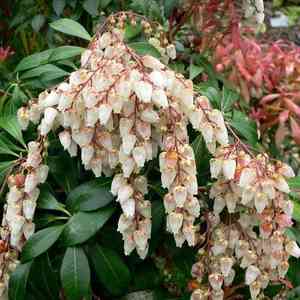
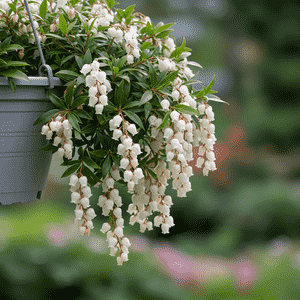
Quickly Identify Japanese pieris
Scientific Classification of Japanese pieris
Planting and Growing of Japanese pieris
 How to Water Japanese pieris?
 What Are the Sunlight Requirements for Japanese pieris?
 What Is the Ideal Temperature Range for Japanese pieris?
 What Soil is Best for Japanese pieris?
 How to Fertilize Japanese pieris?
 How to Prune Japanese pieris?
 How to Propagate Japanese pieris plant?
 How to Repot Japanese pieris plant?
Toxicity of Japanese pieris
Is Japanese pieris toxic to humans?
The foliage and blossoms of the Japanese pieris are extremely poisonous to humans. Accidental consumption of the leaves or flowers is the most common cause of poisoning. Symptoms can encompass a tingling feeling, an increase in saliva production, nasal discharge, watery eyes, feelings of nausea, vomiting, diarrhea, perspiration, abdominal pain, headaches, heart failure, weakness, and seizures. Japanese pieris poisoning can lead to death.
Is Japanese pieris toxic to cat?
The grayanotoxins found in Japanese pieris (Pieris japonica) pose a significant risk to felines; consuming merely a handful of leaves can lead to symptoms such as vomiting, diarrhea, weakness, and potentially severe cardiovascular failure. Instances of fatality have been reported. If an animal is observed chewing on any portion of this plant, it is crucial to obtain veterinary assistance without delay.
Is Japanese pieris toxic to dog?
Japanese pieris harbors a highly toxic neurotoxin that is extremely dangerous to dogs when consumed; it should be regarded as a veterinary emergency. Every part of the plant contains this toxin. Symptoms typically arise within a few hours of ingestion, and even the consumption of a small number of the leaves can trigger poisoning symptoms, which include excessive drooling, elevated heart rate, lethargy, and diarrhea.



