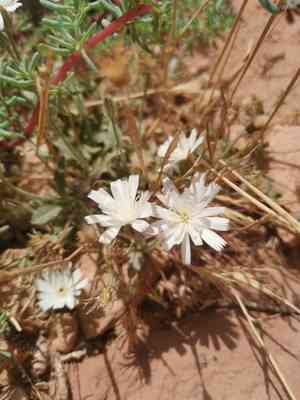
Oxtongues (Picris) (Picris)
Also known as: Hawkweed Oxtongue
The sun-loving, yellow-flowered oxtongues, commonly found in the Old World, are either perennial or biennial herbs that prefer calcareous, dry soils. They thrive in sunny locations but struggle to compete in densely vegetated areas. Notably, some species have been classified as State Noxious Weeds in certain regions of the US. Their ray-like flowers are designed to attract pollinators effectively.
In This Article
Attributes of Oxtongues (Picris)
Lifespan
Biennial
Plant Height
Up to 1 meter (3.3 feet)
Spread
Approximately 0.5 meters (1.6 feet)
Leaf Color
Green with a bristly surface
Flower Size
2 to 3 centimeters (0.8 to 1.2 inches)
Flower Color
Yellow
Images of Oxtongues (Picris)
Quickly Identify Oxtongues (Picris)
1
To identify Picris, look for yellow flowers resembling dandelions, leaves that are clasping and bristly, and a generally rough texture of hair. The plant often has a tall, erect growth habit.
Scientific Classification of Oxtongues (Picris)
Phylum
Magnoliophyta
Class
Magnoliopsida
Order
Asterales
Family
Asteraceae
Genus
Picris
Planting and Growing of Oxtongues (Picris)
Care Difficulty
Easy
Watering Schedule
Every 2 days
Sunlight Requirements
Full sun
Sunshine Duration
4-8 hours
Ideal Temperature
60-75℉
Soil Type
Potting Mix, Peat Mix
Soil pH
6-8.5
Fertilizer Type
Balanced
Pruning Season
Spring, Summer
Pruning Area
Branches, Leaves
Pruning Frequency
2 times a year
Repotting Season
Spring
Pot Type
Plastic, Ceramic
 How to Water Oxtongues (Picris)?
The Picris plant requires moderate watering. You should aim to soak the soil thoroughly until water is seen draining from the bottom of the pot. This ensures that all root zones receive adequate moisture. However, allowing the top inch of soil to dry out before the next watering helps to prevent root rot by ensuring the plant isn't overwatered.
What are the symptoms of an underwatered Oxtongues (Picris)?
›
What should I do if my Oxtongues (Picris) is not getting enough water?
›
What are the symptoms of an overwatered Oxtongues (Picris)?
›
How to save an overwatered Oxtongues (Picris)?
›
 What Are the Sunlight Requirements for Oxtongues (Picris)?
Picris benefits from full sun to partial sun environments. Optimal lighting fosters strong growth, disease resistance, and enhances blooming potential.
What is the ideal light?
›
How do I ensure it gets the right light?
›
What are the benefits of ideal lighting?
›
 What Is the Ideal Temperature Range for Oxtongues (Picris)?
The ideal temperature range for growing Picris is between 60°F to 75°F. This range ensures optimal photosynthesis, promoting healthy growth and development. Maintaining this temperature range helps in avoiding stress conditions that could affect the plant's metabolic processes. Ensuring consistent temperatures within this range facilitates flowering and seed production, promoting overall vitality.
 What Soil is Best for Oxtongues (Picris)?
Picris thrives in well-drained soil, which helps prevent root rot by allowing excess water to escape quickly. This type of soil balances moisture retention and drainage, ensuring the roots remain healthy and robust. The presence of necessary nutrients such as nitrogen and phosphorus in the soil ensures Picris grows optimally, as these nutrients are vital for photosynthesis and overall plant health. Sufficient aeration in the soil prevents compaction, provides ample oxygen to the roots, and promotes vigorous growth, making it essential for Picris' long-term health.
 How to Fertilize Oxtongues (Picris)?
For Picris, the fertilizer amount should be moderate, as it is not a heavy feeder. Use a balanced fertilizer with a ratio close to 10-10-10, applying no more than half the recommended rate for general garden plants. This ensures the plant gets adequate nutrition without risking over-fertilization, which can be harmful.
 How to Prune Oxtongues (Picris)?
Begin by sterilizing your pruning shears to prevent disease transmission. Inspect your Picris plant for dead, damaged, or diseased stems and leaves. Carefully cut these back to healthy tissue. Trim any overgrown areas to maintain the desired shape and size. Pay special attention to any branches crossing each other, as they can rub and cause wounds. Dispose of all cuttings properly to avoid pest attraction. Conclude by watering the plant to help it recover from the pruning stress.
 How to Propagate Oxtongues (Picris) plant?
1
Begin by filling your seed tray with a mix of seed-starting soil. Lightly water the soil to moisten it before planting. This helps in securing the seed in place and provides necessary moisture from the start.
2
Place the seeds onto the surface of the soil and gently press them down. Do not bury them too deep as they need light to germinate. Cover the tray with a plastic lid to retain humidity.
3
Select a healthy stem and make a clean cut using sharp pruning shears. The cutting should be approximately 4-6 inches long. Remove the lower leaves to reduce moisture loss and prepare it for rooting.
 How to Repot Oxtongues (Picris) plant?
1
You should consider repotting your Picris when you notice roots growing out of the drainage holes or the plant seems to be outgrowing its current container. Additionally, if the soil appears compacted or waterlogged, these are sure signs it's time for a new home.
2
Choose a pot that is 1-2 inches larger in diameter than the current one. This ensures enough space for root growth without overwhelming the plant with too much soil, which can retain excess moisture. Plus, ensure it has proper drainage holes to prevent waterlogging.
3
Opt for a well-draining, sandy soil mix that mimics the plant's natural habitat. This will help prevent root rot and ensure adequate air circulation around the roots, promoting healthier growth.
Learn More About Oxtongues (Picris) Diseases
Anthracnose
Bacterial Leaf Spot
Bacterial Soft Rot
Bacterial Wilt
Black Spot
Chemical Injury
Cyst Nematode
Damping-off
Downy Mildew
Drought Stress
Fusarium Wilt
Gray Mold
Leaf Spot
Mosaic
Nutrient Deficiency
Nutrient Toxicity
Powdery Mildew
Root Rot
Root-knot Nematode
Rusts
Sooty Mold
Spider Mites
Temperature Stress
Thrips Damage
White Mold

