
Orange spruce (Picea asperata)
Also known as: Dragon Spruce
The orange spruce (Picea asperata) is a tall and variable conifer with five distinct subspecies. Its wood is prized for making furniture, constructing buildings, and producing railway sleepers. However, this commercial value has led to extensive logging, causing a decline in its population in China. The overexploitation of this tree has raised concerns about its sustainability and prompted the need for conservation efforts.
In This Article
Attributes of Orange spruce
Lifespan
Perennial
Plant Type
Tree
Plant Height
25 m to 40 m
Spread
8 m
Leaf Color
Green Blue
Flower Size
8 cm to 15 cm
Flower Color
N/A - Conifer
Images of Orange spruce

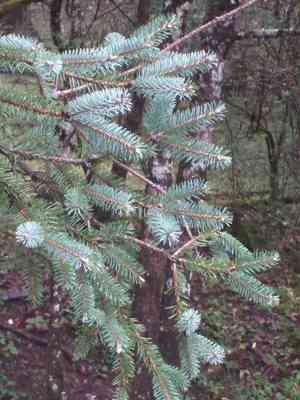
Quickly Identify Orange spruce
1
Distinct dual-tone bark: dark brown outer layer, lighter brown scales underneath.
2
4-sided bluish needles, densely packed on upper branches, measuring 1 inch (2.5 cm).
3
Rough stem transitioning from brownish-yellow to brown or gray, potential 1-foot diameter (30 cm).
4
Rugged trunk with deep furrows, coarse scaly plates, and varied gray bark shades.
5
Robust, broadly conical shape with drooping branches, key for species identification.
Scientific Classification of Orange spruce
Phylum
Vascular plants
Class
Conifers
Order
Pines and allies
Family
Pine
Genus
Spruces
Species
Orange spruce
Planting and Growing of Orange spruce
Care Difficulty
Moderate
Watering Schedule
Every 2 days
Sunlight Requirements
Full sun
Sunshine Duration
4-8 hours
Ideal Temperature
50-68℉
Soil Type
Potting Mix, Peat Mix
Soil pH
6.5-7.5
Fertilizer Type
Balanced
Pruning Season
Spring, Summer
Pruning Area
Branches, Leaves
Pruning Frequency
2 times a year
Repotting Season
Spring
Pot Type
Plastic, Ceramic
 How to Water Orange spruce?
For Picea asperata, water thoroughly until the soil is evenly moist but not waterlogged. Aim for 500 ml per watering session, allowing excess water to drain. This practice ensures the roots receive adequate moisture to sustain growth.
What are the symptoms of an underwatered Orange spruce?
›
What should I do if my Orange spruce is not getting enough water?
›
What are the symptoms of an overwatered Orange spruce?
›
How to save an overwatered Orange spruce?
›
 What Are the Sunlight Requirements for Orange spruce?
Picea asperata flourishes in full sun, with partial afternoon shade to shield from intense rays. Optimal sunlight promotes robust growth, dense needle development, and enhances its natural resilience.
More About Sunlight Requirements Techniques→
What is the ideal sunlight condition for Picea asperata?
›
How can you ensure Picea asperata receives optimal sunlight?
›
What are the benefits of the ideal light conditions for Picea asperata?
›
 What Is the Ideal Temperature Range for Orange spruce?
The ideal temperature range for Picea asperata is between 50°F and 68°F. This range provides optimal conditions for growth and development. At these temperatures, the metabolic processes of the plant are most efficient, supporting healthy foliage and root growth. Consistent temperatures in this range can also enhance the plant’s resistance to pests and diseases.
 What Soil is Best for Orange spruce?
Picea asperata thrives in well-drained soils, which prevent waterlogging that can damage roots and foster root diseases. Ensuring proper drainage promotes healthy root systems and optimal nutrient uptake for robust tree growth. This spruce species prefers soils with moderate fertility to provide essential nutrients without encouraging excessive, weak growth. Balanced nutrient supply ensures sturdy branch development and resistance to environmental stressors. Incorporating organic matter into the soil boosts soil structure and microbial activity, enhancing nutrient exchange and retention. This enrichment improves Picea asperata's resilience to drought and nutrient deficiencies.
 How to Fertilize Orange spruce?
For Picea asperata, it's essential to use a balanced fertilizer. For liquid fertilizers, apply about half-strength solutions (5-10-5 NPK) approximately two times per month during the growing season. For slow-release granular fertilizers, use approximately 1 pound per year, applied in early spring.
 How to Prune Orange spruce?
Use sharp, clean pruning shears, loppers, or a saw depending on the branch thickness. Ensure tools are sanitized to prevent the spread of diseases. The best time to prune is late winter to early spring before new growth starts. Focus on removing dead or diseased branches first, then proceed to shape the tree as desired. Make cuts at a slight angle near the base of branches, avoiding cutting too close to the main trunk. This encourages proper healing and reduces the risk of disease ingress. For shaping, ensure to follow the tree's natural form. Thinning crowded branches improves air circulation and light penetration, benefiting overall health.
More About Pruning Techniques→
 How to Propagate Orange spruce plant?
1
Begin by collecting seeds from mature cones of Picea asperata. Ensure seeds are fully ripe, which usually occurs late in the growing season. Store in a cool, dry place until planting.
2
Select healthy branches for cuttings. Trim with sanitized pruning shears to a length of approximately 10-15 cm, ensuring each has at least a few healthy buds or leaves.
3
Select a compatible rootstock for grafting. Make precise cuts on both the scion and rootstock, aligning the cambium layers closely. Secure with grafting tape to support healing.
 How to Repot Orange spruce plant?
1
Repotting should be considered when Picea asperata outgrows its current pot, with roots visible through drainage holes or spiraling around the root ball. Early spring is the optimal time, when the plant is entering its growth phase, ensuring it has the energy to recover and thrive.
2
Select a pot that is 1-2 inches larger in diameter than the current one, with adequate drainage holes. A slightly larger pot accommodates new growth without overwhelming the plant, and good drainage prevents waterlogging, which can lead to root rot.
3
Opt for a loamy soil that's well-draining, perhaps mixed with some sand and organic matter. This type of soil maintains moisture without becoming waterlogged, promoting healthy root growth and ensuring that the Picea asperata receives the nutrients it needs.



