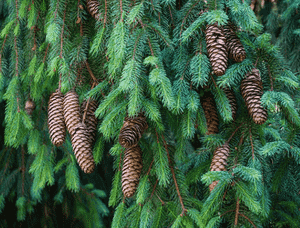
Norway spruce (Picea abies)
Also known as: Common spruce
The Norway Spruce (Picea abies) is the fastest-growing spruce variety. It serves as an excellent roosting spot for owls and hawks and is widely used for making paper, construction lumber, and musical instruments. Additionally, its needles can be used to brew spruce beer, and it is a favored choice for Christmas trees.
In This Article
Attributes of Norway spruce
Lifespan
Perennial
Plant Type
Tree
Plant Height
30 m to 62 m
Spread
8 m to 9 m
Leaf Color
Green
Flower Size
2.5 cm to 8 cm
Flower Color
Red Yellow
Images of Norway spruce
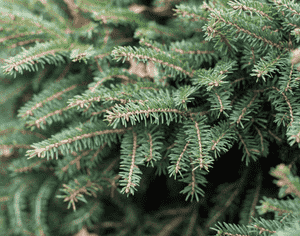
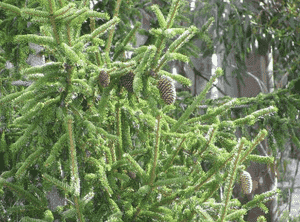
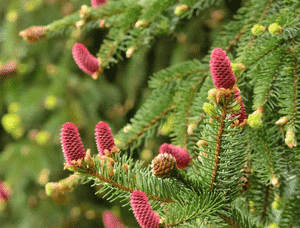
Quickly Identify Norway spruce
1
Height: Reaches 40-60 feet (12-18 meters), towering over other plants.
2
Needled leaves: Dark green, glossy, stiff needles up to 1 inch long.
3
Male cones: Yellowish-brown, clustered, 0.4-0.8 inches long.
4
Female cones: Initially purple, turning green, pendulous, up to 6 inches long.
5
Bark texture: Thin, flaky scales developing into a thicker protective layer.
Scientific Classification of Norway spruce
Phylum
Vascular plants
Class
Conifers
Order
Pines and allies
Family
Pine
Genus
Spruces
Species
Norway spruce
Planting and Growing of Norway spruce
Care Difficulty
Easy
Watering Schedule
Every 2 days
Sunlight Requirements
Full sun
Sunshine Duration
4-8 hours
Ideal Temperature
50-68℉
Soil Type
Potting Mix, Peat Mix
Soil pH
4.5-7
Fertilizer Type
Balanced
Pruning Season
Spring, Summer
Pruning Area
Branches, Leaves
Pruning Frequency
2 times a year
Repotting Season
Spring
Pot Type
Plastic, Ceramic
 How to Water Norway spruce?
Picea abies requires moderate watering, aiming for about 300 ml each time. It is crucial to ensure that the soil is moist but not waterlogged, resembling the natural damp conditions these spruce trees thrive in natively.
More About Watering Techniques→
What are the symptoms of an underwatered Norway spruce?
›
What should I do if my Norway spruce is not getting enough water?
›
What are the symptoms of an overwatered Norway spruce?
›
How to save an overwatered Norway spruce?
›
 What Are the Sunlight Requirements for Norway spruce?
Picea abies thrives in full sun to partial sun, ensuring vibrant growth and needle preservation. Adequate light promotes strong photosynthetic processes, crucial for robust structure and coloration.
More About Sunlight Requirements Techniques→
Best orientation for planting
›
Seasonal light adjustments
›
Use of artificial lighting
›
 What Is the Ideal Temperature Range for Norway spruce?
Picea abies, commonly known as the Norway spruce, thrives best within a temperature range of 50°F to 68°F. This range allows for optimal photosynthesis, respiration, and overall growth. Maintaining this temperature aids in the prevention of diseases and keeps the plant vibrant and healthy. Additionally, within this temperature window, the metabolic processes of the plant are most efficient, supporting prolonged health and vitality.
 What Soil is Best for Norway spruce?
Picea abies, or the Norway Spruce, thrives in soil that offers excellent drainage. Well-drained soil prevents waterlogging, which can lead to root rot and fungal infections. Ensuring proper drainage allows the tree roots to access necessary oxygen and nutrients more effectively. This tree flourishes in nutrient-rich soils that supply ample nitrogen. Adequate nutrients promote healthy growth and vibrant foliage, supporting the tree's overall vitality and resilience against pests and diseases. While Picea abies prefers well-drained soil, it also requires consistent moisture. Keeping the soil evenly moist, particularly during dry periods, supports steady growth and prevents stress-related issues such as needle browning.
More About Soil→
 How to Fertilize Norway spruce?
For Picea abies, a balanced approach to fertilization is crucial. Use nitrogen-rich fertilizers in moderate amounts to encourage healthy growth, but be cautious not to exceed recommended doses. A general guideline is to apply about 0.5 pounds of a balanced 10-10-10 fertilizer per year for every inch of trunk diameter for mature trees.
 How to Prune Norway spruce?
Start with clean, sharp pruning shears or a saw for thicker branches. Inspect the tree to identify any dead, diseased, or damaged branches that need removal. Additionally, focus on branches that cross or grow inward as they can impede air circulation and sunlight penetration. Begin pruning at the base of the tree, working your way up. Trim branches back to a lateral branch or bud, taking care not to cut into the branch collar. Aim to open up the crown slightly for better air circulation, which helps prevent diseases. After shaping the tree, make sure that all cuts are clean and smooth. Removing any ragged pieces helps the tree heal faster. Seal larger wounds with a pruning sealer to protect against pests and diseases.
More About Pruning Techniques→
 How to Propagate Norway spruce plant?
1
For seed propagation, collect mature cones and extract seeds. Stratify seeds in a cold environment for several weeks to break dormancy.
2
For cutting propagation, choose healthy branches and cut sections around 4-6 inches long. Ensure each cutting has nodes where roots will emerge.
3
Choose compatible rootstock and scion. Use clean tools to make precise cuts and bind them together securely. Ensure there's good contact for successful grafting.
 How to Repot Norway spruce plant?
1
Picea abies signals its need for repotting when you notice roots poking through the drainage holes or when growth appears stunted. Spring and early autumn are ideal since the plant is in an active growth phase, allowing it to establish well in its new pot.
2
Selecting the right pot is essential for Picea abies. Opt for a container that is slightly larger than the current one with ample drainage holes. A pot too large can lead to water retention, while too small restricts growth—a balance is crucial for healthy roots.
3
Choose a well-draining soil mix, ideally one formulated for conifers. This ensures proper aeration and prevents root rot by allowing excess water to drain. The right soil promotes healthy root development and ensures robust growth.



