
Venezuelan pokeweed (Phytolacca rivinoides)
Also known as: Mexican pokeweed
Venezuelan pokeweed features an upright, bushy form with pointed, deep green leaves. It produces clusters of small, star-shaped flowers that develop into shiny, dark berries—these berries are toxic if consumed but have been historically used for dyeing. The plant thrives in fertile, well-drained soil and can grow well in both full sun and partial shade, making it adaptable to various environments.
In This Article
Attributes of Venezuelan pokeweed
Lifespan
Perennial
Plant Type
Herb
Plant Height
1 to 2 meters (3 to 6 feet)
Spread
Approximately 1 meter (3 feet)
Leaf Color
Green
Flower Size
Less than 1 centimeter
Flower Color
White or greenish
Images of Venezuelan pokeweed
Quickly Identify Venezuelan pokeweed
1
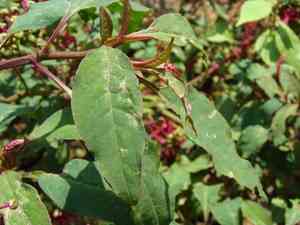
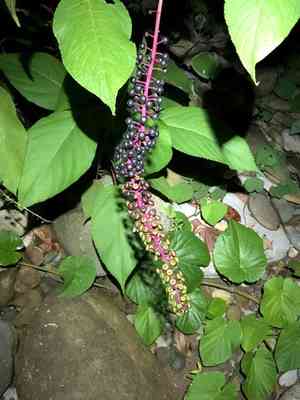
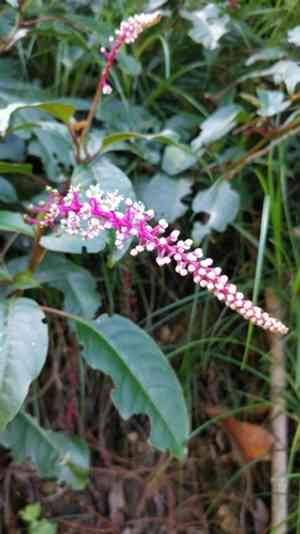
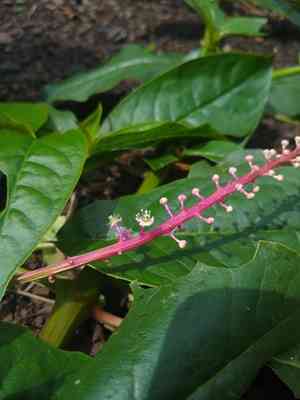
Phytolacca rivinoides can be identified by its long, oval leaves, reddish stems, small white or greenish flowers forming elongated clusters, and dark purple berries.
Scientific Classification of Venezuelan pokeweed
Phylum
Vascular plants
Class
Dicotyledons
Order
Caryophyllales
Family
Pokeweed
Genus
Pokeweeds
Species
Venezuelan pokeweed
Planting and Growing of Venezuelan pokeweed
Care Difficulty
Easy
Watering Schedule
Every 2 days
Sunlight Requirements
Partial sun
Sunshine Duration
6-10 hours
Ideal Temperature
68-77℉
Soil Type
Potting Mix, Peat Mix
Soil pH
6.5-7.5
Fertilizer Type
Balanced
Pruning Season
Spring, Summer
Pruning Area
Branches, Leaves
Pruning Frequency
2 times a year
Repotting Season
Spring
Pot Type
Plastic, Ceramic
 How to Water Venezuelan pokeweed?
Phytolacca rivinoides needs about 500 milliliters of water per session. The key is to ensure the soil remains moist but avoid waterlogging, which can suffocate the roots. Water until you notice it seeping out from the drainage holes of the pot, indicating adequate saturation.
What are the symptoms of an underwatered Venezuelan pokeweed?
›
What should I do if my Venezuelan pokeweed is not getting enough water?
›
What are the symptoms of an overwatered Venezuelan pokeweed?
›
How to save an overwatered Venezuelan pokeweed?
›
 What Are the Sunlight Requirements for Venezuelan pokeweed?
Phytolacca rivinoides ideally enjoys partial sun or full shade, benefiting from dappled light settings that mirror its natural under-canopy habitat. This balance of light ensures active growth and a vibrant appearance, promoting strong overall health.
What is the best way to achieve ideal light exposure?
›
How do we ensure that the plant receives ideal sunlight?
›
What benefits come from ideal lighting?
›
 What Is the Ideal Temperature Range for Venezuelan pokeweed?
Phytolacca rivinoides thrives in temperatures between 68°F and 77°F. These conditions mimic its native environment, allowing for optimal metabolic processes such as photosynthesis and respiration. Consistent temperature within this range can result in healthy growth and robust health, as it supports enzyme activity and nutrient uptake effectively. For indoor gardening, controlling the ambient temperature within this range will provide the plant with the best possibility to flourish.
 What Soil is Best for Venezuelan pokeweed?
Phytolacca rivinoides thrives in soils that efficiently retain moisture. This need ensures that the plant has a consistent water supply, promoting lush growth and vibrant foliage. Adequate moisture prevents wilting and supports essential nutrient absorption. A nutrient-rich soil is vital for Phytolacca rivinoides as it provides the essential elements needed for robust growth. Rich soils enhance the plant's health, enabling it to produce vibrant berries and maintain strong, hearty stems. This supports the overall vigor of the plant. While moisture retention is crucial, equally important is good drainage. Phytolacca rivinoides benefits from soils that prevent waterlogging, which can lead to root rot. Proper drainage ensures a healthy root system, maintaining the plant’s stability and nutrient uptake capacity.
 How to Fertilize Venezuelan pokeweed?
Phytolacca rivinoides requires a balanced approach to fertilization. Use a liquid fertilizer at one-half the recommended concentration on the package. This ensures the plant receives essential nutrients without risk of over-fertilization. During growing seasons, a total of 50-100 ml per application is generally sufficient, providing a steady supply of nutrients.
 How to Prune Venezuelan pokeweed?
Start by removing any dead, damaged, or diseased stems. Doing this helps prevent the spread of disease and encourages healthier growth. Look for branches that are dry, brown, or have visible signs of infection. Prune densely growing areas to improve airflow around the plant. Enhanced air circulation reduces the risk of fungal diseases and encourages robust growth. Trim back overgrown branches to keep the plant neat and maintain its natural shape. This helps the plant stay in a manageable size and enhances its visual appeal.
More About Pruning Techniques→
 How to Propagate Venezuelan pokeweed plant?
1
Gather mature seeds from Phytolacca rivinoides in the late summer months. Ensure the seeds are dry and free from any pulp remnants before storage.
2
Select healthy stems from the parent plant and cut segments 5-10 cm long. Remove leaves from the lower half before planting.
3
Plant seeds or cuttings in pots filled with a mix of peat and perlite. Maintain consistent moisture levels without making the soil soggy.
 How to Repot Venezuelan pokeweed plant?
1
Repotting Phytolacca rivinoides is best timed when you notice the roots circling the pot or emerging from drainage holes. This indicates that the plant has outgrown its current home and needs more space to thrive. The ideal times are in spring or summer, when the plant enters its active growing phase, allowing it to recover more swiftly from any root disturbance.
2
Select a pot that is one size larger than the current pot. Opting for a pot with good drainage holes is crucial to prevent waterlogging and ensure healthy root development. A slightly bigger pot provides adequate space for root expansion without overwhelming the plant, promoting steady growth and vitality.
3
Choose a well-draining, rich soil mix to provide ample nutrients while ensuring excess water can escape easily. This type of soil reduces the risk of root rot by preventing water stagnation and allows for better air circulation around the roots, promoting healthier plant growth.
Toxicity
Ingestion of berries, leaves, roots
WARNING
The judgment on toxicity and danger is for reference only. We DO NOT GUARANTEE any accuracy of such judgment. Therefore, you SHALL NOT rely on such judgment. It is IMPORTANT TO SEEK PROFESSIONAL ADVICE in advance when necessary.
Learn More About Venezuelan pokeweed Diseases
Anthracnose
Bacterial Leaf Spot
Bacterial Soft Rot
Bacterial Wilt
Black Spot
Chemical Injury
Crown Gall
Cyst Nematode
Damping-off
Downy Mildew
Drought Stress
Fusarium Wilt
Gray Mold
Leaf Curl
Leaf Spot
Mosaic
Nutrient Deficiency
Nutrient Toxicity
Powdery Mildew
Root Rot
Root-knot Nematode
Rusts
Sooty Mold
Spider Mites
Temperature Stress
Thrips Damage
White Mold



