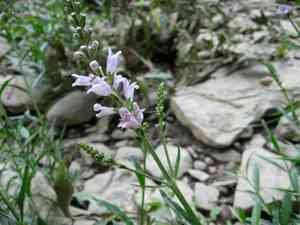
Obedient plant (Physostegia virginiana)
Also known as: False dragonhead, Obedience
The obedient plant, or Physostegia virginiana, gets its name because its flowers can be easily repositioned and will stay in place, almost as if they are "obeying" your touch. An alternative name for this plant is false dragonhead due to the resemblance of its flowers to those of the true dragonhead (Dracocephalum species). This plant is native to North America.
In This Article
Attributes of Obedient plant
Lifespan
Perennial, Annual
Plant Type
Herb
Plant Height
80 cm
Spread
60 cm to 90 cm
Leaf Color
Green
Flower Size
2.5 cm to 5 cm
Flower Color
Pink White Purple Lavender
Images of Obedient plant
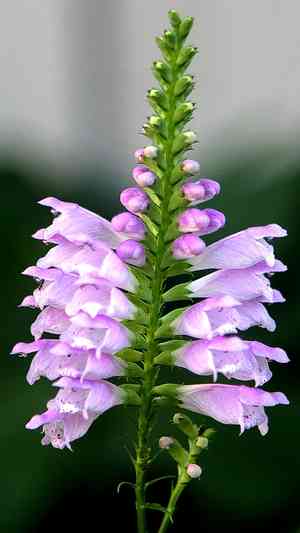
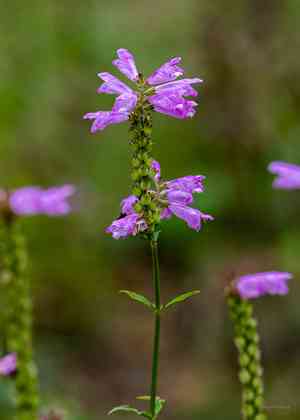
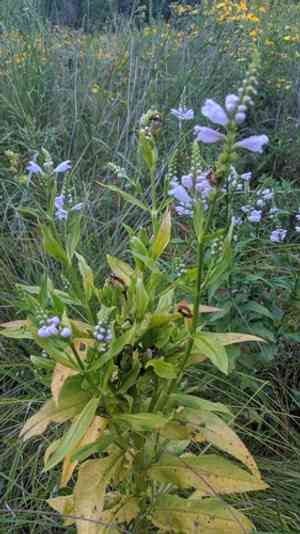
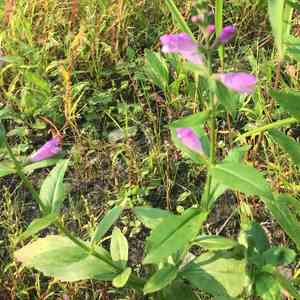
Quickly Identify Obedient plant
1
Tubular flowers can be repositioned and stay put, unique for identification.
2
Square stems and lance-shaped leaves are distinctive hallmarks of its family lineage.
3
Lilac to pink, tubular flowers in a showy spike, blooming July to October.
4
Smooth, square stems with a slightly woody base, reaching up to 4 feet (120 cm).
5
Distinct leaves with sharply toothed margins, lance-shaped, 2-6 inches (5-15 cm) long.
Scientific Classification of Obedient plant
Phylum
Vascular plants
Class
Dicotyledons
Order
Mints plantains olives and allies
Family
Mint
Genus
Lionshearts
Species
Obedient plant
Planting and Growing of Obedient plant
Care Difficulty
Easy
Watering Schedule
Every 8 days
Sunlight Requirements
Full sun
Sunshine Duration
6-10 hours
Ideal Temperature
68-77℉
Soil Type
Potting Mix, Peat Mix
Soil pH
6-8
Fertilizer Type
Balanced
Pruning Season
Spring, Summer
Pruning Area
Branches, Leaves
Pruning Frequency
2 times a year
Repotting Season
Spring
Pot Type
Plastic, Ceramic
 How to Water Obedient plant?
Physostegia virginiana thrives best when kept consistently moist. Each time you water, ensure the soil is wet but not soggy by pouring approximately 500 ml of water more frequently to prevent soil dryness, ensuring moisture reaches the roots. Avoid waterlogging, as this plant prefers well-drained conditions.
More About Watering Techniques→
What are the symptoms of an underwatered Obedient plant?
›
What should I do if my Obedient plant is not getting enough water?
›
What are the symptoms of an overwatered Obedient plant?
›
How to save an overwatered Obedient plant?
›
 What Are the Sunlight Requirements for Obedient plant?
Physostegia virginiana thrives in a full sun to partial sun range, ideally 6-8 hours of sunlight. This encourages ample blooming and healthy growth, ensuring the plant's aesthetic is maintained.
More About Sunlight Requirements Techniques→
What type of light does Physostegia virginiana thrive in?
›
How can you achieve ideal lighting for Physostegia virginiana?
›
What benefits does ideal lighting provide to Physostegia virginiana?
›
 What Is the Ideal Temperature Range for Obedient plant?
For Physostegia virginiana to thrive, it is crucial to maintain an environment where the temperature stays between 68°F and 77°F. This range ensures optimal growth and prevents any stress related to temperature fluctuations, thereby allowing the plant to develop its full potential in terms of foliage and flowers.
 What Soil is Best for Obedient plant?
Physostegia virginiana thrives in well-draining soil, which prevents waterlogging and root rot. Ensuring good drainage helps maintain root health and promotes vigorous growth, vital for its extended blooming period. This plant benefits from nutrient-rich soil, which supports its robust growth and vibrant flowering. Organic matter like compost can enhance the soil's nutrient profile, bolstering the plant’s overall vitality. Soil with moderate moisture retention helps Physostegia virginiana maintain consistent hydration without drowning the roots. This balance is crucial for sustaining its lush foliage and long-lasting blooms.
More About Soil→
 How to Fertilize Obedient plant?
For Physostegia virginiana, a moderate amount of fertilizer is essential to keep it thriving. Typically, use about 1/2 to 1 teaspoon of liquid fertilizer per gallon of water for its liquid feeding sessions. For slow-release granular fertilizers, apply around 1 to 2 tablespoons per plant in the spring and mid-summer to sustain its growth through the season.
More About Fertilizing Techniques→
 How to Prune Obedient plant?
Begin by inspecting your Physostegia virginiana for any dead, damaged, or diseased stems. Use clean, sharp pruning shears to cut these stems back to their base. After removing the unhealthy parts, shape the plant by trimming overgrown stems just above a leaf node or bud. This encourages branching and fuller growth throughout the plant. Be careful not to remove more than one-third of the plant's foliage in one session to avoid stressing the plant excessively. The best time to prune Physostegia virginiana is during the growing seasons of spring and summer when the plant is actively producing new growth. Pruning during these times allows the plant to recover quickly and regenerate more robustly. Avoid pruning late in the summer or in autumn, as this might impact the plant's ability to prepare for winter.
More About Pruning Techniques→
 How to Propagate Obedient plant plant?
1
Begin by soaking Physostegia virginiana seeds in water for 24 hours to soften the seed coat. After soaking, place the seeds in a seed tray filled with a high-quality seed-starting mix, ensuring they are lightly covered with soil.
2
Select a healthy, non-flowering stem from the plant and use sterilized pruning shears to take a 4-6 inch cutting. Remove the leaves from the bottom half of the cutting and dip the cut end in rooting hormone before planting in a pot.
3
In spring or autumn, dig up a mature Physostegia virginiana clump. Gently separate the plant into smaller sections ensuring each section has roots. Replant the divisions at the same depth they were growing originally.
 How to Repot Obedient plant plant?
1
Physostegia virginiana should be repotted when you notice roots poking out of drainage holes or when the plant becomes too large for its pot. A major sign is slowed growth, indicating the plant has outgrown its container. Ideal repotting time is in spring, aligning with its growth cycle for minimal stress.
2
Select a pot that is only slightly larger than the current one, ensuring better control of moisture levels and root growth. A ceramic or clay pot with good drainage holes is an ideal choice, as it allows excess water to escape, preventing root rot and maintaining a healthy root system.
3
Opt for a rich, well-draining soil mix to provide essential nutrients while effectively managing moisture levels. Incorporate some organic matter like compost or peat for improved texture and fertility, ensuring the soil structure promotes root health and alleviates compaction issues.



