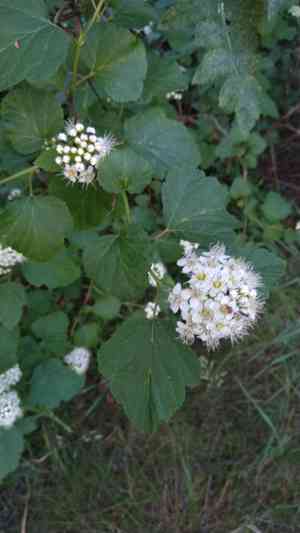
Ninebarks (Physocarpus)(Physocarpus)

Ninebarks (Physocarpus) (Physocarpus)

Also known as: Ninebark, Eastern Ninebark

Ninebark shrubs (Physocarpus spp.) are cherished in gardens and landscaping for their ornamental qualities and adaptability. Here’s an overview of their key features and applications:

### Key Features:
1. **Foliage**: They exhibit lobed leaves that can range in color from vibrant green to deep purple, depending on the variety.
2. **Bark**: Named for their distinctive, peeling bark, Ninebark provides winter interest with its textured stems.
3. **Flowers**: They bloom in late spring to early summer with clusters of small, white to pinkish flowers.
4. **Hardiness**: Suitable for USDA zones 2-7, they thrive in a wide range of climates.
5. **Size**: They generally grow to about 5-10 feet in height and width, with smaller cultivars available.

### Applications:
1. **Hedges and Borders**: Their dense foliage makes them excellent for creating natural screens and borders.
2. **Erosion Control**: With strong root systems, they help stabilize soil on slopes.
3. **Specimen Plants**: Their striking foliage and bark make them attractive focal points in garden designs.
4. **Wildlife Habitat**: The flowers attract pollinators, and the dense branches offer shelter for birds.
5. **Low Maintenance**: Drought-tolerant and resistant to many pests and diseases, they require minimal care.

### Summary:
Ninebark shrubs are versatile, low-maintenance plants that provide year-round interest with their colorful foliage, distinctive bark, and attractive flowers. Ideal for hedges, erosion control, and wildlife gardens, they are a practical and beautiful addition to any landscape.

Attributes of Ninebarks (Physocarpus)

Lifespan
Perennial
Plant Height
1.5 - 3 meters
Spread
1.5 - 3 meters
Leaf Color
Green, Purple, Gold
Flower Size
5 - 10 millimeters
Flower Color
White, Pink

ForwardPlant - Identify plants with a snap

Identify and diagnose plants, get toxicity alerts, and explore safety guides for all types of fungi.

Try for Free

Images of Ninebarks (Physocarpus)

Ninebarks (Physocarpus)(Physocarpus)

Quickly Identify Ninebarks (Physocarpus)

1
Identify Physocarpus by its multi-stemmed growth habit, distinctive peeling bark, lobed leaves, and clusters of small white or pink flowers in late spring to early summer.

Scientific Classification of Ninebarks (Physocarpus)

Phylum
Magnoliophyta
Class
Magnoliopsida
Order
Rosales
Family
Rosaceae
Genus
Physocarpus

Planting and Growing of Ninebarks (Physocarpus)

Care Difficulty
Easy
Watering Schedule
Every 2 days
Sunlight Requirements
Full sun
Sunshine Duration
6-8 hours
Ideal Temperature
65-75℉
Soil Type
Potting Mix, Peat Mix
Soil pH
6.5-7.5
Fertilizer Type
Balanced
Pruning Season
Spring, Summer
Pruning Area
Branches, Leaves
Pruning Frequency
2 times a year
Repotting Season
Spring
Pot Type
Plastic, Ceramic

water icon How to Water Ninebarks (Physocarpus)?

For Physocarpus, it's crucial to water thoroughly but not excessively. Aim for approximately 1000 ml of water each time, ensuring the soil is evenly moistened but not waterlogged. The plant prefers moist soil that's just beginning to dry out between waterings.
What are the symptoms of an underwatered Ninebarks (Physocarpus)? ›
What should I do if my Ninebarks (Physocarpus) is not getting enough water? ›
What are the symptoms of an overwatered Ninebarks (Physocarpus)? ›
How to save an overwatered Ninebarks (Physocarpus)? ›

sunlight icon What Are the Sunlight Requirements for Ninebarks (Physocarpus)?

Sunlight Requirements: Full sun, Partial sun
Duration of light: 6 to 8 hours
Physocarpus flourishes in full sun to partial sun environments, which provides balanced lighting that fosters lush growth, vibrant colors, and plentiful blooms.
What is the ideal type of light for Physocarpus? ›
How to ensure Physocarpus gets ideal light? ›
Why is ideal lighting beneficial for Physocarpus? ›

temperature icon What Is the Ideal Temperature Range for Ninebarks (Physocarpus)?

Ideal Temperature: 65 ~ 75℉
The ideal temperature range for Physocarpus is between 65°F and 75°F. This range provides the optimal growing conditions for the plant, ensuring proper metabolic function, photosynthesis, and nutrient absorption. Maintaining these temperatures will help the plant thrive and display its best foliage and blooms.

soil icon What Soil is Best for Ninebarks (Physocarpus)?

Soil type: Loam, Sandy loam, Clay soil
Soil PH: 6.5 ~ 7.5
Physocarpus prefers well-drained soil to prevent root rot. This ensures healthy growth by allowing excess water to escape, maintaining the right moisture balance for the roots. To thrive, Physocarpus needs moderately fertile soil rich in organic matter. This provides essential nutrients that improve plant vigor and resilience against diseases. While it tolerates drought, Physocarpus does best with consistent soil moisture. This helps maintain lush foliage and vibrant blooms throughout the growing season.

fertilize icon How to Fertilize Ninebarks (Physocarpus)?

Fertilizer type: Balanced
For Physocarpus, aim to use about 1/4 cup of liquid fertilizer per application for a medium-sized shrub. This helps provide balanced nutrients without overwhelming the plant. When using slow-release fertilizers, a heaping tablespoon spread around the base will suffice, especially in spring to promote vibrant foliage and blooms.

prune icon How to Prune Ninebarks (Physocarpus)?

Pruning Time: Winter, Summer
Begin by removing any dead or diseased branches to maintain plant health. Then, trim back branches to shape the plant aesthetically, maintaining its natural form. Aim for open centers to increase air circulation and sunlight penetration. Physocarpus can become quite bushy, so don’t hesitate to thin out some of the older, less productive wood at ground level. This will not only improve air and light penetration but also stimulate new growth, enhancing the appearance of the shrub.

propagate icon How to Propagate Ninebarks (Physocarpus) plant?

Propagate Time: Late spring, Early summer
1
Collect seeds from mature Physocarpus specimens. Clean them to remove any pulp, and then soak the seeds in water overnight to enhance germination rates before sowing.
2
Select healthy branches and cut 4-6 inch long segments just below a node. Ensure the cutting is free of flowers. Dip the cut end in a rooting hormone to promote root development.
3
In late spring, carefully dig up a mature plant. Use a sharp knife or spade to divide the root ball into several sections, each with some roots and shoots. Replant immediately.

repot icon How to Repot Ninebarks (Physocarpus) plant?

Repotting frequency: Every 2-3 years
1
Repot Physocarpus when you notice the roots have begun to outgrow the container or when water is escaping too quickly from the drainage holes. These are signals that the plant requires more room and fresh soil. Typically, it's best to repot during its active growing seasons in spring or early autumn to minimize stress.
2
Select a pot that is 2 inches larger in diameter than the current one. Ensure it has adequate drainage holes to prevent waterlogging, a common issue that can damage roots. A pot made from breathable materials like ceramic or terracotta will help regulate moisture and provide better aeration, promoting healthy root development.
3
Opt for a well-draining loamy soil that retains some moisture but doesn’t become soggy. The optimal mix might include equal parts potting soil, compost, and perlite. This blend offers nutrient-rich conditions and aeration, while excess water is allowed to swiftly drain, preventing root rot.

ForwardPlant - Identify plants with a snap

Find the best spots for them to optimize their health, simply using your phone.

Try for Free